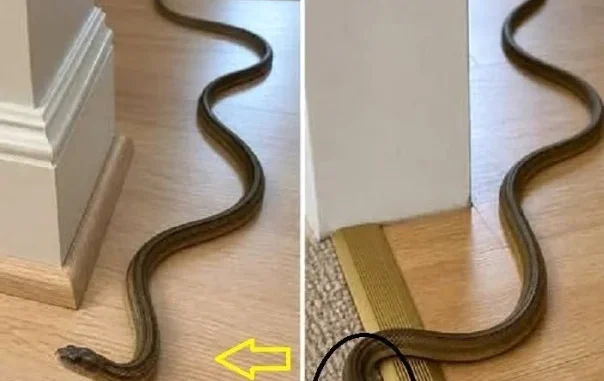
Introduction to Snake Encounters in Residential Areas
Encountering a snake inside a house can be an unexpected and sometimes unsettling experience. While such sightings are relatively uncommon, they do happen in various parts of the world and can prompt questions about why these reptiles appear in human dwellings. This article aims to provide a thorough understanding of the factors that lead snakes to enter homes, practical advice on how to handle these situations safely, and methods to prevent future occurrences.
Ecological Background: The Role of Snakes in Nature
Snakes are an important part of many ecosystems. They contribute to maintaining balance by controlling populations of small mammals, insects, and other pests. Their diet typically includes rodents, amphibians, and insects, which are often considered nuisances or harmful in residential settings. Understanding the ecological role of snakes helps contextualize why they might be found near human habitats, especially where their food sources are abundant.
Reasons Behind Snake Intrusions into Homes
Contrary to some cultural beliefs or superstitions, snakes do not enter homes with any intention related to luck or omens. Instead, their presence indoors is usually driven by practical survival needs. There are three primary reasons snakes may venture inside buildings:
- Seeking Shelter
Snakes require safe places to rest, hide from predators, and protect themselves from extreme weather conditions. Homes can offer such refuge, particularly in areas like basements, crawl spaces, garages, attics, and storage rooms. These locations provide darkness, warmth or coolness depending on the season, and protection from rain, heat, or cold.
- Searching for Food
If a property has a rodent issue or other small animals like frogs or insects, snakes may be attracted to the area as a hunting ground. The presence of snakes can sometimes indicate an underlying pest problem, as snakes naturally follow their prey.
- Temperature Regulation
Being ectothermic (cold-blooded), snakes rely on their environment to regulate body temperature. Homes often provide microclimates that are more favorable than the surrounding outdoors, such as cooler shaded basements during hot weather or warmer garages during colder months.
Common Access Points for Snakes
Snakes are surprisingly adept at squeezing through small gaps and openings. They can enter through cracks in foundations, gaps beneath doors, unsealed vents, broken screens, and spaces around utility lines or pipes. Regular inspection and maintenance of these potential entry points are crucial in minimizing the chance of snakes gaining access.
Differentiating Between Harmless and Venomous Snakes
Although many people associate all snakes with danger, the reality is that most snake species are non-venomous and pose little threat to humans. Identifying the species correctly is important for safety and for deciding the appropriate response. Local wildlife agencies or professionals can assist in identification and safe removal if necessary.
Safe Practices When Encountering a Snake Indoors
If you discover a snake inside your home, remaining calm is essential. Avoid sudden movements and do not attempt to handle the snake yourself. Keep children and pets away from the area and contact local animal control or wildlife experts for assistance. Many snakes prefer to avoid humans and will try to escape if given the opportunity.
Preventive Measures to Reduce Snake Incursions
Several steps can help reduce the likelihood of snakes entering your home:
- Seal Entry Points: Use caulk, weatherstripping, or other materials to close cracks and gaps around doors, windows, foundations, and utility penetrations.
- Manage Rodent Populations: Implement pest control measures to reduce food sources that attract snakes.
- Maintain Yard Cleanliness: Remove debris, wood piles, and dense vegetation that provide shelter for snakes and their prey.
- Regular Landscaping: Keep grass trimmed and shrubs pruned to minimize hiding spots.
Dispelling Common Misconceptions About Snakes
There are many myths surrounding snakes and their behavior. For example, the idea that snakes always travel in pairs, that all snakes are venomous, or that they actively chase humans are not supported by scientific observation. Understanding snake behavior can reduce unnecessary fear and promote coexistence.
The Importance of Respecting Wildlife
While it is understandable to feel uneasy about snakes near or inside homes, it is important to recognize their role in ecosystems and approach encounters with knowledge and respect. Educating oneself about local snake species and their habits can provide peace of mind and encourage humane treatment.
Conclusion
Finding a snake inside a home is typically the result of natural behaviors related to shelter, food, and temperature needs rather than any symbolic or supernatural cause. By learning about these factors and taking practical precautions, homeowners can minimize the chance of such encounters and respond appropriately if they do occur. Promoting awareness and balanced understanding helps foster safe and informed interactions between humans and wildlife.
Understanding Local Snake Species and Their Habitats
Knowledge of the types of snakes commonly found in your region can be valuable for both safety and educational purposes. Different species have distinct behaviors, dietary preferences, and habitats. Some snakes are more likely to be found near human dwellings due to their adaptability, while others prefer undisturbed natural areas. Local wildlife agencies often provide resources or guides to help identify native snakes and understand their roles within the environment. This information can assist homeowners in distinguishing between harmless and potentially dangerous snakes.
The Role of Seasonal Changes in Snake Behavior
Seasonal variations influence snake activity and movement patterns. During warmer months, snakes tend to be more active as they hunt and seek mates. In contrast, colder seasons often prompt snakes to enter hibernation or seek sheltered environments to conserve energy. Transitional periods such as early spring and late fall may see increased snake movement as they search for suitable habitats or emerge from dormancy. Awareness of these seasonal behaviors can help homeowners anticipate when snake encounters are more likely and take appropriate preventive measures.
How Urban Development Influences Snake Encounters
As urbanization expands, natural habitats are altered or fragmented, which can increase the frequency of wildlife, including snakes, appearing in residential areas. Construction activities may displace snakes from their natural environments, leading them to seek new shelter and food sources in nearby homes or gardens. Understanding the impact of urban development on wildlife behavior encourages thoughtful planning and habitat conservation efforts. It also highlights the importance of coexistence strategies that minimize conflict between humans and snakes.
The Importance of Professional Wildlife Services
While some snake encounters can be resolved with simple precautions, others require professional intervention. Wildlife control experts are trained to handle snakes safely and humanely, ensuring both human safety and animal welfare. These professionals can also provide advice on habitat modifications and exclusion techniques specific to individual properties. Engaging with certified wildlife services supports responsible management and reduces the risk of injury or unintended harm to snakes.
Educational Opportunities and Community Awareness
Promoting education about snakes within communities can reduce fear and misinformation. Schools, nature centers, and local organizations often offer programs that teach about snake ecology, behavior, and safety. Increased awareness fosters respect for wildlife and encourages residents to adopt preventive measures that protect both people and animals. Community initiatives may also include habitat restoration projects that balance human needs with environmental conservation.
Long-Term Benefits of Coexisting with Snakes
Embracing coexistence with snakes can have ecological and practical benefits. By allowing snakes to thrive in their natural roles, communities can enjoy natural pest control that reduces reliance on chemical pesticides. This contributes to healthier local ecosystems and can improve overall biodiversity. Additionally, appreciating snakes as part of the natural world enhances environmental stewardship and supports broader conservation goals.
Tips for Creating Snake-Friendly Gardens While Keeping Homes Safe
For those interested in supporting local wildlife, it is possible to design outdoor spaces that accommodate snakes without inviting them indoors. Using natural barriers, such as gravel borders and well-maintained fencing, can discourage snakes from approaching the house. Planting native vegetation away from the immediate vicinity of the home reduces attractive cover for snakes and their prey. Regularly inspecting and cleaning garden areas minimizes potential hiding places. These practices balance wildlife appreciation with household safety.
Media Literacy: Interpreting Information About Snakes
Information about snakes in media and popular culture can sometimes be sensationalized, leading to exaggerated fears or misconceptions. Developing media literacy skills helps individuals critically evaluate sources of information and distinguish between factual content and myths or dramatizations. Consulting reputable sources such as academic publications, government wildlife agencies, and experienced herpetologists ensures access to accurate and balanced knowledge. This approach supports informed decision-making when dealing with snake encounters.
Career Paths Related to Snake Research and Wildlife Management
For those interested in working with snakes or wildlife more broadly, several career options exist. Herpetologists specialize in the study of reptiles and amphibians, conducting research that informs conservation and management practices. Wildlife biologists and environmental educators play roles in habitat protection, public outreach, and policy development. Careers in wildlife rehabilitation and control involve hands-on care and safe removal of animals from human environments. These professions contribute to the understanding and coexistence of humans and wildlife.
Final Takeaways
Encountering a snake inside a home is a natural occurrence driven by ecological and behavioral factors. Recognizing the practical reasons behind snake intrusions empowers homeowners to respond thoughtfully and effectively. By combining knowledge of snake biology, habitat needs, and preventive strategies, individuals can reduce unwelcome encounters while supporting local biodiversity. Education, professional assistance, and respectful coexistence form the foundation of safe and harmonious relationships with these often-misunderstood creatures.
Understanding Snake Behavior During Mating and Breeding Seasons
Snakes exhibit distinct behavioral changes during their mating and breeding seasons, which can sometimes increase the likelihood of encounters near or within human dwellings. During these periods, snakes may travel more extensively in search of mates, occasionally crossing into residential areas. Increased activity can lead to more sightings and accidental intrusions. Recognizing these seasonal behavioral patterns can help homeowners anticipate when snakes might be more active and take extra precautions during these times.
The Influence of Habitat Fragmentation on Snake Movement
Habitat fragmentation caused by roads, agriculture, and urban sprawl disrupts natural snake habitats, often forcing these reptiles to traverse unfamiliar or developed areas to find food, mates, or shelter. This movement can increase the frequency of snakes entering human spaces. Efforts to create wildlife corridors and preserve natural habitats within urban planning can mitigate these impacts, promoting safer coexistence between humans and snakes.
The Role of Snakes in Controlling Vector-Borne Diseases
By preying on rodents and insects, snakes indirectly contribute to reducing populations of animals that carry diseases affecting humans, such as ticks and mosquitoes. This ecological service benefits public health by lowering the risk of diseases like Lyme disease and West Nile virus. Appreciating the role of snakes in disease control underscores their importance beyond simple pest management.
Understanding Snake Sensory Abilities
Snakes possess specialized sensory organs that help them detect prey, predators, and environmental changes. For example, their Jacobson’s organ allows them to ‘smell’ chemical cues in the environment, and their heat-sensing pits enable some species to detect warm-blooded animals. These adaptations explain why snakes are attracted to certain environments and how they navigate their surroundings. Awareness of these abilities can inform practical measures to make homes less appealing to snakes.
Community Involvement in Snake Conservation
Community engagement plays a vital role in promoting coexistence with snakes. Local groups can organize educational workshops, habitat restoration projects, and citizen science initiatives to monitor snake populations. Such involvement fosters a sense of stewardship and helps dispel myths, creating a more informed public that supports conservation efforts.
Ethical Considerations in Snake Removal
When snake removal is necessary, ethical treatment of the animal is paramount. Professionals aim to relocate snakes safely without harm, preserving their role in the ecosystem. Homeowners should seek licensed wildlife handlers who follow humane practices and comply with local regulations. Understanding these ethical standards promotes responsible wildlife management and respects animal welfare.
Technological Advances in Snake Detection and Management
Innovations such as motion-activated cameras, environmental sensors, and smartphone applications are increasingly used to monitor snake presence around properties. These tools assist homeowners and wildlife professionals in early detection and informed response. Embracing technology can enhance safety and efficiency in managing snake encounters.
Tips for Educators Teaching About Snakes
Educators can contribute significantly to dispelling fears and promoting knowledge about snakes. Incorporating factual, age-appropriate content about snake biology, behavior, and ecological roles into curricula helps build understanding from an early age. Hands-on experiences, such as observing snakes in controlled environments or virtual simulations, can also engage learners effectively.
Legal Protections and Regulations Concerning Snakes
Many snake species are protected under local, national, or international laws due to their ecological importance or conservation status. These regulations may restrict capturing, killing, or trading snakes. Homeowners should familiarize themselves with applicable laws to ensure compliance and support conservation goals. Legal awareness also guides appropriate actions when encountering snakes.
Psychological Aspects of Fear and Phobia of Snakes
Ophidiophobia, the fear of snakes, is a common and deeply ingrained response in many people. Understanding the psychological roots of this fear, which can include evolutionary factors and cultural influences, helps in addressing anxiety related to snake encounters. Educational and therapeutic approaches can assist individuals in managing fear, promoting safer and less stressful interactions.
The Value of Local Wildlife Hotlines and Support Networks
Many regions have dedicated wildlife hotlines or community groups that provide assistance with snake encounters. These resources offer identification help, removal services, and educational information. Utilizing such support networks ensures expert guidance and fosters community resilience in addressing human-wildlife interactions.
Encouraging Observation and Reporting of Snake Sightings
Responsible observation and reporting of snake sightings contribute valuable data for wildlife monitoring and research. Homeowners can participate by documenting encounters with photos and locations, which aids scientists in tracking population trends and distribution. This citizen science approach enhances our collective understanding and informs conservation strategies.
Final Reflections on Living Harmoniously with Snakes
Embracing a mindset of coexistence with snakes involves balancing safety, respect, and ecological awareness. By combining preventive measures, education, and professional support, individuals and communities can reduce conflicts and appreciate the vital role snakes play in nature. Developing this harmonious relationship enriches our interaction with the environment and promotes biodiversity conservation for future generations.