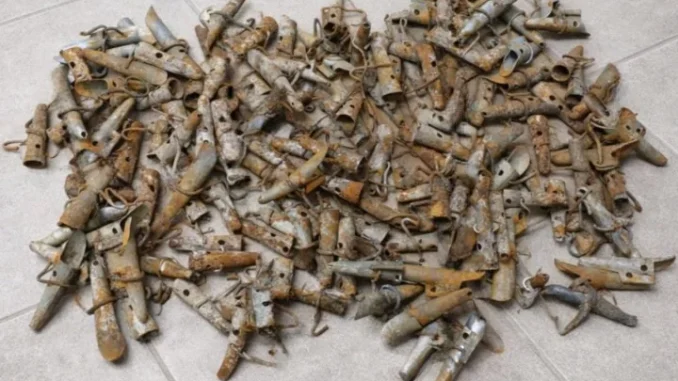
Discovering unexpected items in the attic of an old house can be a fascinating glimpse into past lifestyles, especially when these objects hold a connection to traditional practices that may be unfamiliar today. Among such finds, a bucket filled with small, uniquely shaped metal pieces might initially seem like miscellaneous hardware or forgotten plumbing parts. However, these objects often have a very specific and interesting purpose related to the age-old art of maple syrup production.
These metal pieces are known as maple sap taps or spiles. They are essential tools used in the process of extracting sap from maple trees, a practice that has been carried out for centuries in regions where maple trees thrive. Understanding what these taps are and how they function offers insight into both traditional food production and the natural biology of maple trees.
Maple sap taps are small tubular devices, typically made from metal such as aluminum, though some modern versions use plastic. Their primary role is to create a passageway for sap to flow out of a maple tree after a hole is drilled into its trunk. By inserting a tap into this hole, the sap is directed into a container, such as a bucket, preventing it from dripping uncontrollably down the bark and becoming contaminated or wasted.
The natural phenomenon that allows sap to flow only occurs during a narrow seasonal window, typically in late winter and early spring. This is when temperatures fluctuate between freezing at night and above freezing during the day. These temperature changes cause pressure changes within the tree: cold nights cause contraction and gas compression, while warm days relieve this pressure, pushing sap upward and outward through the tree’s vascular system. The tap itself does not initiate the flow but simply channels the sap for collection.
In traditional maple syrup harvesting, once a hole is drilled into the tree, a tap is gently inserted to fit snugly and create a seal. Buckets are then hung beneath the tap to collect the sap. This method was widespread before the advent of modern tubing systems which transport sap through tubes to centralized collection tanks. The metal taps found in attics are often remnants of these older, bucket-based systems.
The presence of a bucket full of these taps in an attic suggests that the previous occupants may have engaged in maple syrup production, whether as a hobby, a small family operation, or part of a larger farm enterprise. These taps are durable and reusable, typically cleaned and stored after each sap collection season for future use.
When sap is collected, it is important to note that it is not yet maple syrup. Sap is mostly water with a light sweetness and must be boiled down significantly to concentrate the sugars and create syrup. It typically takes around 40 liters of sap to produce just one liter of syrup, highlighting the labor-intensive nature of this traditional process.
Concerns about tree health arise when discussing tapping. When performed properly, tapping involves making small holes that the tree can heal naturally during the growing season. Healthy maple trees can be tapped annually without long-term damage. However, excessive tapping or improper technique can stress the tree, which is why modern practices emphasize careful management and conservation.
Finding these metal taps today can feel unusual because they represent a connection to a lifestyle and food production method that many people no longer experience firsthand. Commercial maple syrup is readily available in stores, often without awareness of the hands-on process behind it. These taps serve as tangible reminders of a time when food harvesting was closely tied to the rhythms of nature and local traditions.
In summary, the metal objects discovered are maple sap taps, historically used to collect sap from maple trees during the specific seasonal conditions that allow sap flow. Their discovery offers a window into traditional maple syrup production, tree biology, and rural heritage. Rather than random attic clutter, these taps are artifacts of a rich agricultural practice that continues to be valued for its cultural and culinary significance.
The Evolution of Maple Syrup Harvesting Techniques
Over the centuries, the methods and tools for harvesting maple sap have evolved significantly. While the metal spiles found in attics represent a traditional approach, modern maple syrup production often employs more advanced techniques designed to increase efficiency and reduce labor.
Early harvesters relied solely on manual labor, drilling holes by hand and hanging buckets on each tree. This method, while effective, was time-consuming and limited the scale of production. The introduction of metal spiles made the process more standardized and reliable. These taps ensured a consistent flow and helped protect the sap’s quality by minimizing contamination from the tree bark or external elements.
In the latter part of the 20th century, tubing systems revolutionized sap collection. Instead of individual buckets, flexible plastic tubes connect taps across many trees, channeling sap directly to a central collection point. This system reduces the need for frequent bucket emptying and allows producers to manage larger sugarbushes more efficiently. Despite this, many small-scale producers and hobbyists still prefer traditional bucket methods for their simplicity and connection to heritage.
Understanding Maple Tree Physiology in Sap Production
The ability of maple trees to produce sap suitable for syrup is closely tied to their biology. Maple trees store starch in their trunks and roots during the dormant winter months. When temperatures rise in the spring, the starch converts into sugar, which dissolves in the water circulating within the tree.
The vascular system of the tree, composed of xylem vessels, facilitates the upward movement of water and nutrients. The seasonal freeze-thaw cycle creates pressure changes that cause sap to flow out when a hole is drilled. This process is delicate; tapping too early or too late in the season can affect sap yield and quality.
It is also important to note that not all maple species produce sap suitable for syrup. The sugar maple (Acer saccharum) is particularly prized for its high sugar content, but other species like red maple and black maple can also be tapped, though they may require different handling.
Environmental and Ecological Considerations
Responsible maple tapping practices not only protect tree health but also consider the broader ecosystem. Maple forests support diverse wildlife and contribute to regional biodiversity. Over-tapping or harvesting sap from unhealthy trees can weaken them and potentially disrupt local habitats.
Sustainable syrup production involves monitoring tree health, limiting the number of taps per tree based on its diameter, and allowing adequate recovery time between tapping seasons. Many producers follow guidelines established by forestry services or agricultural extensions to balance productivity with conservation.
The Cultural Significance of Maple Syrup
Maple syrup holds a notable place in the cultural traditions of regions where maple sugaring is practiced. Indigenous peoples in North America were the first to harvest maple sap and develop syrup-making techniques, passing this knowledge through generations. Today, maple syrup continues to be a source of regional pride and identity, celebrated in festivals and culinary traditions.
For many communities, syrup production is not only an economic activity but also a cultural event that involves family and community participation. The tools, including spiles, symbolize this heritage and the connection between people and their environment.
Career Paths and Skills in Maple Syrup Production
While maple syrup production can be a seasonal hobby, it is also a professional agricultural industry. Careers in this field include syrup producers, forest managers, equipment manufacturers, and food scientists studying syrup quality and production efficiency.
Producers must understand tree biology, weather patterns, equipment maintenance, and food safety regulations. Many also engage in marketing and business operations to sell their product. Modern producers may incorporate technology such as vacuum pumps and sap filtration systems to enhance yield and quality.
Educational programs and workshops are available in many regions to support those interested in learning about maple syrup production, from beginners to commercial operators.
Reader Takeaways and Appreciating Hidden Histories
Discovering a bucket of vintage metal spiles in an attic offers more than just a curiosity; it opens a window into the interplay of natural science, traditional agriculture, and cultural history. These tools represent the ingenuity and hard work of past generations who engaged directly with their environment to produce a beloved food.
For homeowners and readers, such finds can inspire further exploration of local history, encourage sustainable practices, or even spark interest in trying traditional crafts. Recognizing the significance behind seemingly mundane objects enriches our understanding of everyday life and the legacy left by those who came before us.
In conclusion, the metal taps are not merely old hardware but artifacts that connect us to the natural world and the enduring human endeavor to harvest and transform it responsibly. Whether preserved as collectibles or used in renewed maple syrup making, they remind us of the value in preserving knowledge and tradition alongside modern advancements.
Innovations in Maple Syrup Equipment Over Time
The tools used in maple syrup production have undergone continuous improvements to enhance efficiency and sustainability. Beyond the transition from bucket-based spiles to tubing systems, other innovations have shaped the industry. For example, vacuum pumps are now commonly used to increase sap yield by creating negative pressure that helps draw sap out more effectively. These pumps reduce the need for multiple taps per tree and can shorten the collection season.
Additionally, sap filtration and reverse osmosis technologies have been introduced to concentrate sugar content before boiling, reducing energy consumption and preserving sap quality. These advancements reflect the industry’s responsiveness to environmental concerns and economic pressures while maintaining the traditional essence of syrup production.
The Role of Forestry Management in Maple Syrup Production
Sustainable maple syrup production often requires close collaboration with forestry management professionals. Properly managing sugarbushes—the stands of sugar maple trees used for sap collection—is essential to maintaining tree health and productivity. Forestry experts provide guidance on tree species selection, stand density, thinning practices, and pest management.
These practices ensure that the sugarbush remains a resilient ecosystem capable of supporting healthy sap flow year after year. In some regions, forest certification programs encourage responsible management and provide market advantages to producers who adhere to environmental standards. Such integration of forestry science into syrup production helps balance economic goals with conservation.
Understanding Regional Variations in Maple Syrup Traditions
Maple syrup production is closely tied to the geography and climate of certain regions, primarily in northeastern North America. However, traditions and techniques can vary between areas. For example, the sugar maple is predominant in parts of Canada and the northeastern United States, while other maple species may be tapped in regions with different climates.
Cultural practices also influence how syrup is harvested and processed. Some communities incorporate specific rituals, recipes, or festivals celebrating the sugaring season. Recognizing these regional differences enriches appreciation for the diversity within maple syrup heritage and highlights how local environments shape agricultural customs.
Potential for Home Maple Syrup Production
For those intrigued by the discovery of vintage spiles or interested in traditional crafts, small-scale home maple syrup production can be a rewarding endeavor. With access to one or a few sugar maple trees, hobbyists can experience the seasonal rhythm of tapping, collecting sap, and boiling it down into syrup.
Starting home syrup production requires basic equipment—spiles, buckets or tubing, a drill, and a heat source for boiling. It also demands patience and attention to timing, as sap flows only during specific weather conditions. While the volume produced may be modest, the process offers educational value and a tangible connection to nature and history.
Community and Educational Opportunities
Many regions with maple syrup traditions offer educational programs, workshops, and community events that welcome newcomers and enthusiasts. These opportunities provide hands-on experiences in tapping techniques, sap collection, syrup processing, and equipment maintenance.
Engaging with local maple syrup communities can deepen understanding of the craft, introduce participants to cultural narratives, and promote responsible practices. Such involvement also supports the continuation of traditional knowledge and fosters appreciation for the agricultural heritage embedded in everyday foods.
Preserving and Repurposing Vintage Maple Syrup Tools
The metal taps found in attics today can have value beyond their original function. Collectors and historians often seek vintage spiles as artifacts representing rural life and agricultural history. Restoring and preserving these tools can provide insight into past manufacturing methods and regional variations in design.
Moreover, some hobbyists repurpose old spiles for decorative or educational displays, blending historical preservation with creative reuse. Whether kept as collectibles or integrated into learning environments, these artifacts serve as tangible links to the past and reminders of human ingenuity in food production.
Reflecting on the Intersection of Technology and Tradition
The evolution of maple syrup production exemplifies how traditional practices adapt alongside technological advances. While modern equipment improves efficiency and scalability, many producers still value the connection to heritage and hands-on involvement that traditional methods provide.
This balance between innovation and tradition underscores broader themes in agriculture and food systems: the need to honor cultural legacies while embracing tools that support sustainability and productivity. Discovering vintage taps invites reflection on how such artifacts symbolize this ongoing dialogue between past and present.
Encouraging Curiosity About Everyday Objects
Finding unusual items like vintage maple sap taps in an attic encourages a mindset of curiosity and exploration toward everyday objects. Rather than dismissing such items as mere clutter, investigating their origins can unveil stories about local history, technology, ecology, and culture.
This approach promotes media literacy by encouraging individuals to seek context and understanding before forming conclusions about unfamiliar objects. It also fosters respect for the knowledge embedded in material culture and the human experiences connected to it.
Conclusion: Embracing the Legacy of Maple Syrup Production
Ultimately, the discovery of metal maple sap taps is more than a chance encounter with old hardware—it is an invitation to engage with a multifaceted legacy encompassing natural science, traditional agriculture, cultural identity, and technological progress. Whether preserved as historical artifacts or used in renewed syrup-making efforts, these tools remind us of the enduring relationship between humans and the environment.
By appreciating the stories behind these seemingly mundane objects, homeowners and readers can deepen their connection to local heritage and recognize the value of preserving knowledge that sustains communities and landscapes alike.