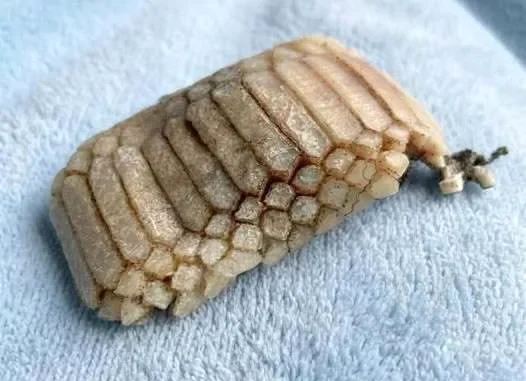
Exploring the Coastal Enigma: What Are Those Unusual Objects on the Beach?
Walking along a beach can sometimes lead to encounters with intriguing natural objects that spark curiosity and wonder. Among these, certain rough, oddly shaped items found on the sand may initially appear alien or unfamiliar. Such discoveries often prompt questions about their origin and nature, especially when their form does not resemble commonly known marine life. One such example is the structure linked to a marine animal called a chiton, whose unique anatomy can appear mysterious when found detached from its living context.
Introducing the Chiton: A Marine Mollusk with Distinctive Features
Chitons belong to a group of mollusks that inhabit rocky shorelines worldwide. Unlike more recognizable sea creatures such as crabs or starfish, chitons possess a distinctive body covered by eight overlapping shell plates arranged in a linear fashion along their backs. This design provides them with both protection and flexibility, enabling them to maneuver across rugged surfaces where waves frequently crash.
Their habitat is typically the intertidal zone, where the constant movement of water requires specialized adaptations for survival. Chitons cling tightly to rocks using a muscular foot, a broad and powerful organ that allows them to maintain a strong grip despite the force of waves. This foot also aids in locomotion as they slowly move to graze on algae and other organisms.
Anatomical Adaptations That Defy Initial Impressions
When fragments of chitons wash up on beaches, their body parts can look quite alien to the casual observer. Detached shell plates or remnants of their feeding apparatus may appear as jagged or tooth-like structures, leading to misinterpretations. However, these components are highly specialized adaptations honed by evolution to meet the demands of a challenging environment.
One of the most remarkable aspects of chitons is their radula, a tongue-like organ equipped with rows of tiny teeth used to scrape food from hard surfaces. Unlike the teeth of many other animals, the teeth of some chiton species are reinforced with magnetite, an iron oxide mineral known for its hardness. This mineralization allows chitons to efficiently graze on algae growing on rocks without quickly wearing down their radula.
The Science Behind Magnetite in Chiton Teeth
The presence of magnetite in chiton teeth has attracted scientific interest due to its implications for biomineralization and materials science. Magnetite is a naturally magnetic mineral, and its incorporation into biological structures is relatively rare. In chitons, it enhances the durability and strength of their radular teeth, enabling effective feeding on abrasive substrates.
Researchers study this biological adaptation to gain insights into creating synthetic materials with similar properties. The way chitons combine organic and inorganic components to produce hard, wear-resistant teeth offers inspiration for developing advanced composites and manufacturing techniques.
Surviving the Harsh Intertidal Zone
The intertidal habitat presents numerous challenges, including fluctuating water levels, strong wave action, and exposure to air during low tides. Chitons have evolved several features to thrive under these conditions. Their low-profile, armored bodies minimize the risk of being dislodged by waves. The overlapping shell plates provide protection against predators and physical abrasion.
Moreover, the muscular foot not only helps them adhere firmly to rocks but also allows them to traverse uneven terrain in search of food. This combination of traits exemplifies the intricate relationship between an organism’s anatomy and its environment.
Why Beach Finds Often Appear Mysterious
Natural processes such as tides, currents, and storms transport marine materials across coastal zones. As a result, fragments of shells, exoskeletons, and other biological structures can accumulate on beaches in various states of preservation. Exposure to sun, sand, and air can alter their appearance, sometimes making identification challenging.
When beachgoers encounter unfamiliar objects, it is common for imagination to fill in gaps, giving rise to speculation about their nature. However, many of these items are simply parts of known organisms, including chitons, that look strikingly different when separated from their complete form.
The Ecological Role and Significance of Chitons
Despite their modest size and low profile, chitons play an important role in coastal ecosystems. By grazing on algae, they help regulate algal growth on rocks, contributing to the balance of intertidal communities. Their presence supports biodiversity and affects the availability of resources for other species.
Understanding chitons and their adaptations also enriches our appreciation of marine life’s complexity. These creatures demonstrate how evolution can produce specialized solutions to environmental challenges, resulting in organisms perfectly suited to their habitats.
Encouraging Thoughtful Beach Exploration
Discovering unusual objects on the shoreline can be an educational and enjoyable experience. Taking time to observe and learn about these findings promotes awareness of marine biology and environmental stewardship. Rather than viewing strange beach discoveries with suspicion or fear, recognizing their natural origins fosters curiosity and respect for the ocean’s diversity.
Educational resources, field guides, and local experts can assist in identifying and understanding such marine artifacts. This approach enhances the connection between people and coastal environments, encouraging the protection of fragile ecosystems.
Concluding Reflections: Nature’s Intricate Designs
The chiton exemplifies the fascinating adaptations that marine organisms develop to survive in dynamic and sometimes harsh environments. What may initially appear as a puzzling or alien object is often a testament to nature’s ingenuity and complexity.
By learning about these creatures and their biology, we gain insight into the broader processes shaping life on Earth. The next time an odd-looking item appears on the beach, it may be an invitation to explore the remarkable stories embedded within the natural world.
The Evolutionary History of Chitons
Chitons belong to the class Polyplacophora, which is part of the phylum Mollusca. Their evolutionary history dates back hundreds of millions of years, with fossil records indicating their presence as far back as the Cambrian period. This long evolutionary lineage offers scientists valuable insights into the development of marine life and the adaptation mechanisms that have allowed chitons to survive drastic changes in their environment.
Unlike many other mollusks, chitons have retained a relatively simple body plan, which has proven highly effective in their niche. Their evolutionary conservatism in body design highlights how certain anatomical features can remain successful over geologic time, especially when finely tuned to specific habitats like rocky intertidal zones.
Research into chiton fossils also contributes to understanding broader evolutionary patterns, such as the development of mineralized structures in animals and the diversification of marine ecosystems through geological epochs.
Chiton Radula and Its Implications in Biomimicry
The radula of chitons has attracted attention beyond marine biology, extending into fields such as engineering and materials science. Biomimicry, the practice of drawing inspiration from nature to solve human design challenges, finds the chiton radula particularly intriguing due to its combination of hardness and flexibility.
Scientists study the arrangement and composition of magnetite teeth within the radula to inform the design of durable tools and wear-resistant surfaces. The natural process by which chitons synthesize and maintain these mineralized teeth at the microscale offers a blueprint for creating more sustainable and efficient materials.
This cross-disciplinary interest exemplifies how understanding natural adaptations not only enriches biological knowledge but also drives technological innovation, potentially leading to advances in medical devices, manufacturing, and environmental technology.
The Role of Chitons in Coastal Food Webs
Chitons occupy an integral position within the food webs of rocky shore ecosystems. As herbivores, they primarily consume algae, helping to control algal populations and prevent overgrowth that could otherwise disrupt the balance of the habitat. This grazing activity supports a diverse community of organisms by maintaining open space and contributing to nutrient cycling.
In turn, chitons serve as prey for various predators, including fish, birds, and invertebrates. Their presence thus supports higher trophic levels and contributes to the overall health and resilience of coastal ecosystems.
Studying chitons contributes to a broader understanding of ecological interactions and the importance of preserving biodiversity in marine environments. This knowledge is crucial as coastal habitats face increasing pressures from human activity and climate change.
Challenges Faced by Chitons in Changing Environments
While chitons have evolved remarkable adaptations, they are not immune to environmental changes. Coastal development, pollution, and climate-related impacts such as ocean acidification and temperature fluctuations pose threats to their habitats and survival.
Ocean acidification, resulting from increased atmospheric CO2, can affect the ability of chitons and other mollusks to maintain their calcium carbonate shells. Changes in sea temperature and wave patterns may also alter the availability of food sources and suitable habitat.
Monitoring chiton populations and understanding their responses to environmental stressors are important for conservation efforts. Protecting intertidal zones and reducing pollution can help maintain the delicate balance these organisms rely on.
Public Engagement and Citizen Science Opportunities
Chitons offer an excellent opportunity for public engagement in marine science. Their visibility along shorelines and distinctive features make them accessible subjects for observation and study by beachgoers, students, and amateur naturalists.
Citizen science projects can involve monitoring chiton populations, documenting their distribution, or collecting data on environmental conditions. Such initiatives not only contribute valuable scientific information but also foster a deeper connection between communities and their coastal environments.
Educational programs focusing on chitons and other intertidal species can promote awareness of marine biodiversity and the importance of habitat conservation. Encouraging respectful and informed interaction with marine life supports sustainable recreational and educational use of coastal areas.
The Importance of Accurate Identification and Media Literacy
Unusual beach finds, including chiton fragments, often generate fascination and sometimes misinformation. Developing media literacy skills helps individuals critically evaluate information about such discoveries. Understanding the scientific explanations behind seemingly mysterious objects reduces the spread of myths and promotes informed appreciation.
Accurate identification relies on knowledge of marine biology and access to reliable resources. Field guides, museum collections, and expert consultations can assist in distinguishing between natural artifacts and other materials.
By promoting science-based interpretations, communities can enjoy the wonder of natural discoveries while respecting ecological realities and avoiding unnecessary fear or speculation.
Future Directions in Chiton Research
Ongoing research on chitons continues to uncover new insights into their biology, ecology, and potential applications. Advances in molecular genetics, imaging technologies, and materials science expand the scope of questions scientists can address.
Areas of interest include the genetic basis of biomineralization, responses to environmental stressors, and the mechanics of adhesion and locomotion. Understanding these aspects not only enriches fundamental biology but also informs conservation strategies and technological innovation.
As interdisciplinary collaborations grow, chitons may serve as models for exploring the interface between biology, materials science, and environmental science, highlighting the interconnectedness of natural and human systems.
Reader Takeaways
The study of chitons exemplifies how even small, inconspicuous animals possess complex adaptations that allow them to thrive in challenging habitats. Recognizing the significance of such organisms encourages a broader respect for biodiversity and ecological balance.
Next time you encounter an unusual object on the beach, consider the intricate natural history and scientific knowledge that can explain its presence. Such curiosity nurtures a lifelong appreciation of the natural world and supports efforts to protect it for future generations.
Conservation Considerations for Chiton Habitats
Given the specialized nature of chitons and their reliance on rocky intertidal zones, conserving these habitats is crucial. Intertidal regions are sensitive ecosystems that face threats from coastal development, pollution, and human recreational activities. Disruption to these environments can have cascading effects on the diverse communities that depend on them, including chitons.
Efforts to protect coastal areas often include establishing marine protected zones, minimizing habitat destruction, and monitoring water quality. Public education about the ecological importance of intertidal species like chitons can encourage responsible behavior among visitors, such as avoiding trampling on rocks or collecting organisms indiscriminately.
The Role of Technology in Studying Chitons
Advances in technology have enhanced the study of chitons, enabling researchers to observe their behavior and physiology in greater detail. Imaging techniques such as scanning electron microscopy allow scientists to examine the microstructure of chiton teeth and shells, revealing how mineral components are organized at microscopic scales.
Molecular biology tools have facilitated investigations into the genetic mechanisms underlying biomineralization and environmental tolerance. Tracking technologies and environmental sensors also help monitor chitons’ responses to changing conditions in their habitats.
These technological tools contribute to a more comprehensive understanding of chitons and support efforts to predict how they may cope with future environmental challenges.
Chitons in Cultural and Educational Contexts
Beyond scientific interest, chitons have found a place in cultural and educational settings. In some coastal communities, traditional knowledge includes awareness of chitons and their ecological roles. Educational programs at aquariums, museums, and nature centers often feature chitons to illustrate concepts such as adaptation, marine biodiversity, and ecosystem dynamics.
Incorporating chitons into curricula and public outreach fosters appreciation for often-overlooked marine species and highlights the interconnectedness of life along shorelines. This broader recognition can inspire stewardship and support for marine conservation initiatives.
Potential Medical and Industrial Applications Inspired by Chitons
The unique properties of chiton teeth and shells have inspired research into potential applications in medicine and industry. The composite materials that chitons produce, combining organic and inorganic components, demonstrate natural strategies for creating strong yet flexible structures.
Such biological designs inform the development of biomaterials for use in implants, prosthetics, and protective coatings. Understanding how chitons maintain and repair their mineralized tissues may also provide insights into novel approaches for material durability and self-healing surfaces.
While these applications are still in exploratory stages, they exemplify the value of studying natural organisms for sustainable innovation.
Encouraging Responsible Beachcombing
For individuals who enjoy exploring beaches, cultivating respectful and informed practices benefits both the environment and personal learning experiences. Collecting natural objects should be done thoughtfully, considering the ecological impact and local regulations.
Observing and documenting rather than removing specimens can preserve habitats and allow others to appreciate natural wonders. Using guides and digital resources to identify finds enhances understanding and supports scientific knowledge.
Promoting this approach helps maintain the balance between human curiosity and environmental protection.
Summary
Chitons are remarkable marine mollusks whose distinctive adaptations provide insights into evolutionary biology, ecology, and materials science. Their presence on beaches, even as fragments, offers an opportunity to connect with the natural world and appreciate the complexity of life in coastal habitats.
Awareness of their ecological roles, conservation needs, and potential benefits to science encourages a respectful relationship with marine environments. By supporting research, education, and responsible exploration, we contribute to preserving the diversity and resilience of shoreline ecosystems for future generations.