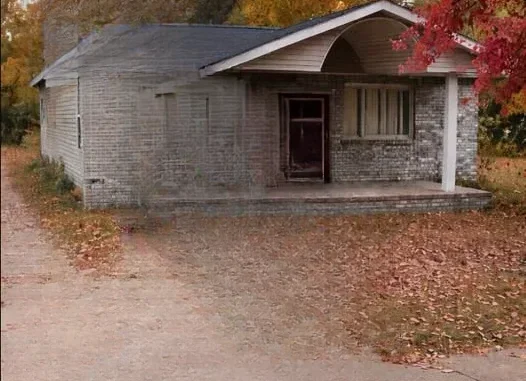
Navigating the real estate market to find an affordable home can be a complex endeavor, especially for buyers aiming to maximize value on a limited budget. One strategy that has gained traction is purchasing properties that require renovations — homes that may initially appear less appealing but hold significant potential for personalization and increased value through thoughtful improvements.
This approach requires a multifaceted understanding of factors beyond the sale price. Prospective buyers must evaluate the condition of essential home systems, estimate renovation costs realistically, and consider the location’s suitability to their lifestyle and future needs. This article provides an in-depth exploration of key considerations for those interested in acquiring an affordable home with renovation potential.
Understanding the True Cost Beyond the Purchase Price
While homes needing upgrades often come with a lower asking price, the total investment includes anticipated renovation expenses. Buyers should carefully assess the scope of necessary repairs and upgrades to avoid financial surprises. Comparing the combined cost of purchase plus renovations to the price of move-in ready homes in the same area can clarify whether a property represents a sound investment.
Conducting a thorough inspection of the property’s structural integrity is critical. This includes examining foundations, roofing, plumbing, electrical systems, and insulation. Problems in these areas often require substantial repairs that can substantially impact the budget. Engaging a qualified home inspector can provide an objective evaluation and highlight areas requiring immediate attention or future monitoring.
Location Analysis: Prioritizing Convenience and Lifestyle
Location remains a cornerstone of real estate value. Even properties needing significant cosmetic updates can be advantageous if situated near essential amenities such as schools, medical facilities, shopping centers, and public transportation. Researching neighborhood trends, local developments, and comparable property sales helps in assessing the long-term suitability and potential appreciation of the home.
Planning Your Renovation Budget
Establishing a detailed, realistic renovation budget is indispensable. Begin by identifying essential repairs that affect safety and habitability, followed by discretionary upgrades that enhance comfort and aesthetics. Obtaining multiple quotes from licensed contractors is advisable to ensure accurate cost estimates. Don’t overlook ancillary expenses such as permits, materials, insurance, and potential temporary housing during extensive renovations. Allocating a contingency fund for unforeseen issues discovered during renovation is a prudent financial safeguard.
Prioritizing Renovations for Maximum Impact
Not all home improvements need to be addressed simultaneously. Safety and structural concerns should take precedence. Following that, focus can shift to upgrades that improve energy efficiency, functionality, and visual appeal. Simple changes such as repainting walls, updating fixtures, and enhancing insulation can significantly improve living conditions without excessive costs. Maintaining the current layout can also reduce renovation complexity and expense.
Incorporating Energy Efficiency into Renovations
Older homes often lack modern energy-saving features, which can lead to higher utility costs. Renovations present an opportunity to improve energy performance through sealing drafts, upgrading insulation, replacing outdated windows, and installing energy-efficient lighting and heating systems. Weighing the upfront investment against potential long-term savings is essential when considering these improvements.
Exploring Financing Options for Renovation Projects
Financing a home purchase that requires renovations may involve specialized loan products. Some financial institutions offer renovation mortgages or home improvement loans designed to cover eligible repair costs. It is important to inquire about terms, interest rates, and eligibility criteria early in the buying process to understand available options and plan accordingly.
Navigating Permits and Regulatory Requirements
Many renovation projects require permits or must comply with local building codes and zoning regulations. Structural modifications, electrical work, and additions often necessitate official approvals. Additionally, ensuring clear title and understanding any zoning restrictions or legal encumbrances on the property are vital steps. Consulting with local authorities or qualified professionals can help avoid costly delays or legal complications.
Partnering with Skilled Professionals for Successful Renovations
Engaging experienced inspectors, architects, and contractors can greatly influence the success of a renovation. Requesting detailed written estimates, verifying credentials, and reviewing past work are important when selecting professionals. Clear communication and formal agreements outlining project scope, timelines, and payment terms help maintain transparency and accountability.
Considering Long-Term Maintenance and Resale Value
When investing in a home with renovation needs, it is important to consider future maintenance obligations and potential resale value. Selecting improvements that enhance durability and functionality can reduce ongoing upkeep costs. Although resale prospects matter, prioritizing upgrades that improve your quality of life ensures the home remains enjoyable throughout your ownership.
Conclusion
Purchasing an affordable home with renovation potential offers a pathway to homeownership that blends financial prudence with creative opportunity. Success in this endeavor hinges on comprehensive property evaluation, realistic budgeting, and informed decision-making regarding location and renovations. With methodical planning and professional guidance, buyers can transform fixer-upper properties into comfortable, personalized homes that meet their evolving needs and budget constraints.
Understanding the Impact of Market Trends on Renovation Investments
Market conditions play a significant role in the potential return on investment for renovated properties. Economic factors such as interest rates, housing demand, and local development projects can influence property values and renovation costs. Buyers should stay informed about current and projected market trends to align their renovation plans with realistic expectations. For example, in a seller’s market where demand outpaces supply, even modest renovations can significantly increase a property’s value. Conversely, in a buyer’s market, more extensive improvements might be necessary to attract interest and justify the investment.
Evaluating the Potential for Home Expansion or Adaptation
When considering a property with renovation potential, assessing the feasibility of future expansions or adaptations can add long-term value and functionality. This could include adding extra rooms, finishing basements or attics, or creating outdoor living spaces such as decks or patios. Understanding local zoning laws and setback requirements is crucial before planning such enhancements. Properties that offer flexibility for growth can better accommodate changing family needs or lifestyle preferences over time, making them more attractive for both current use and eventual resale.
Incorporating Sustainable and Environmentally Friendly Renovation Practices
Sustainability is increasingly important in home renovations, offering benefits such as reduced environmental impact, energy savings, and improved indoor air quality. Buyers can explore options like using recycled or locally sourced materials, installing water-efficient fixtures, and choosing low-VOC (volatile organic compound) paints and finishes. Additionally, incorporating renewable energy sources such as solar panels or geothermal systems may qualify for incentives or tax credits in some regions. Thoughtful sustainable choices not only contribute to environmental stewardship but can also enhance the home’s market appeal.
The Role of Neighborhood Engagement and Community Services
Beyond the physical characteristics of the property and its immediate location, the broader community context can influence living satisfaction and property value. Engaging with local residents, neighborhood associations, and community services can offer insights into the area’s safety, social activities, and future development plans. Access to parks, libraries, and recreational facilities supports a balanced lifestyle and can be a factor in long-term property desirability. Buyers should consider how well the community aligns with their personal values and lifestyle goals.
Managing Renovation Timelines and Minimizing Disruptions
Renovation projects often involve unexpected delays and logistical challenges. Establishing a realistic timeline with milestones can help manage expectations and coordinate contractors effectively. Planning renovations in phases allows homeowners to live in the property during improvements without excessive disruption. Additionally, clear communication with neighbors about construction schedules can maintain good relations. Understanding these practical aspects supports smoother project execution and reduces stress.
Leveraging Technology and Digital Tools in Renovation Planning
Advancements in technology offer numerous tools to assist buyers and renovators. Virtual tours, 3D modeling, and design software allow visualization of proposed changes before work begins. Budgeting apps and project management platforms can track expenses and schedules, improving oversight. Online forums and social media groups provide access to shared experiences and professional recommendations. Utilizing these resources enhances informed decision-making and project coordination.
Understanding Insurance Considerations for Renovation Projects
Renovating a property may affect insurance coverage and premiums. Buyers should review existing homeowner’s policies and consult with insurance providers to understand how planned renovations could impact coverage. Certain improvements or structural changes might require additional or specialized insurance, such as builder’s risk or liability coverage during construction. Ensuring adequate protection safeguards against potential financial losses related to accidents, damages, or delays.
Cultivating Patience and Realistic Expectations
Transforming a fixer-upper into a comfortable home is a process that demands time, effort, and adaptability. Buyers should prepare for challenges such as unexpected repairs, budget adjustments, and evolving design preferences. Maintaining a flexible mindset and setting achievable goals contributes to a positive renovation experience. Celebrating incremental progress and focusing on the end result helps sustain motivation throughout the journey.
Summary and Final Takeaways
Purchasing and renovating an affordable home involves a comprehensive approach that extends beyond initial costs and cosmetic changes. By considering market trends, expansion possibilities, sustainability, community context, timeline management, technology use, insurance implications, and personal resilience, buyers can enhance their chances of a successful outcome. Embracing a holistic view empowers homeowners to create a living environment that not only meets immediate needs but also adapts to future opportunities and challenges. This thoughtful strategy transforms renovation projects from daunting tasks into rewarding investments in quality of life.
Understanding the Importance of Home Inspections Beyond the Basics
While a standard home inspection covers many critical elements such as structural integrity, roofing, and major systems, buyers should consider additional specialized inspections when purchasing a property with renovation potential. For example, pest inspections can reveal infestations that might compromise the structure, while environmental assessments can detect issues like lead paint, asbestos, or radon gas. These factors not only impact renovation plans but also have health and safety implications. Engaging experts in these areas early can prevent costly surprises and guide remediation efforts effectively.
Assessing the Impact of Renovations on Property Taxes
Renovations can affect property tax assessments depending on the extent and nature of the improvements. Increases in home value due to upgrades may lead to higher property taxes, which buyers should anticipate when budgeting for ongoing homeownership costs. Local tax regulations vary widely, so consulting with a tax professional or local assessor’s office before undertaking significant renovations is advisable. Understanding these financial implications helps prevent unexpected increases in annual expenses and supports informed decision-making.
The Role of DIY Versus Professional Work in Renovation Projects
Many homebuyers consider undertaking do-it-yourself (DIY) projects to reduce renovation costs. While some tasks like painting or landscaping may be suitable for DIY, others—such as electrical work, plumbing, or structural changes—require licensed professionals for safety and code compliance. Buyers should honestly evaluate their skills, time availability, and risk tolerance before deciding which projects to handle personally. Balancing DIY efforts with professional services can optimize budgets and ensure quality outcomes.
Evaluating the Potential for Historic Preservation and Its Benefits
Some affordable homes with renovation potential may be located in historic districts or possess architectural significance. Renovating such properties can offer unique aesthetic and cultural value, but it often involves adherence to preservation guidelines and restrictions. Buyers should research any historic designation status and associated regulations, which might influence permissible modifications and materials. Additionally, historic preservation grants, tax incentives, or low-interest loans may be available to support appropriate renovations, providing financial benefits alongside heritage conservation.
Incorporating Smart Home Technologies During Renovations
Renovation projects present an opportunity to integrate smart home technologies that enhance convenience, security, and energy efficiency. Installing programmable thermostats, smart lighting, security cameras, or automated irrigation systems can add functionality and appeal to the property. While these upgrades might require upfront investment and technical know-how, they typically contribute to long-term savings and increased comfort. Buyers should consider compatibility with existing infrastructure and future scalability when selecting smart devices.
Understanding the Psychological and Emotional Aspects of Renovating a Home
Renovating a home, especially one that requires significant work, can be both rewarding and stressful. Emotional attachments, design challenges, and the pressure of managing timelines and budgets may affect homeowners’ well-being. It is important to recognize these aspects and adopt strategies such as setting realistic expectations, seeking support from family or professionals, and celebrating milestones. Maintaining a positive outlook and patience can transform the renovation journey into a fulfilling personal experience.
Exploring Community Resources and Support for Renovation Projects
Various community organizations, non-profits, and government programs offer resources to assist homeowners undertaking renovations. These may include grants, low-interest loans, workshops, or volunteer labor for eligible individuals or properties. Researching local initiatives can uncover valuable financial and educational support, particularly for first-time buyers or those renovating older homes. Engaging with these networks also fosters community connections and access to practical advice.
Preparing for Seasonal and Weather Considerations in Renovations
Climate and seasonal weather patterns can influence renovation timelines and material choices. For instance, exterior work such as roofing or painting may be best scheduled during dry months, while indoor projects might proceed year-round. Understanding local weather conditions helps in planning construction phases, protecting materials, and minimizing delays. Additionally, selecting weather-resistant materials and designing for climate adaptability contribute to the durability and comfort of the renovated home.
Balancing Aesthetic Goals with Functional Necessities
While aesthetic improvements are often motivating factors in home renovations, it is crucial to balance design preferences with functional requirements. Practical considerations such as storage solutions, accessibility, lighting, and traffic flow impact daily living quality. Buyers should prioritize renovations that enhance usability alongside visual appeal. Consulting with design professionals or using mood boards and floor plans can assist in aligning style choices with practical needs.
Documenting Renovation Progress and Maintaining Records
Keeping detailed records of renovation activities, including contracts, receipts, permits, and before-and-after photographs, is beneficial for multiple reasons. Documentation supports warranty claims, assists in resolving disputes, and provides valuable information for future maintenance or resale. Organized records also facilitate communication with contractors and professionals throughout the project. Buyers should establish a system for collecting and storing these materials systematically.
Summary
Expanding the scope of consideration beyond the physical renovation itself adds depth to the home buying and improvement process. From specialized inspections and tax implications to emotional well-being and community resources, a holistic approach empowers buyers to navigate challenges and optimize outcomes. Incorporating these additional perspectives ensures that investing in a budget-friendly home with renovation potential is not only financially wise but also personally rewarding and sustainable over time.