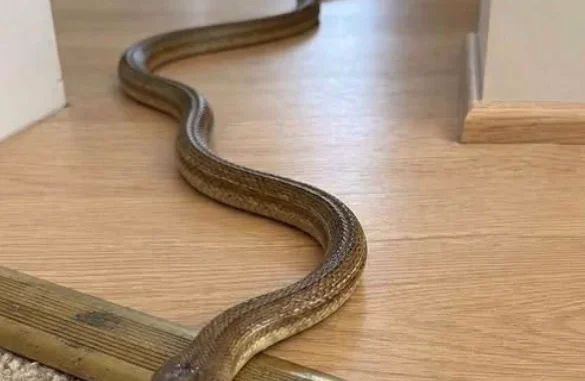
Encountering a snake inside your home can be surprising and often unsettling. Although these reptiles are commonly misunderstood, their presence indoors typically stems from practical reasons related to their natural behavior and survival needs. This comprehensive guide explores why snakes enter homes, how they find their way inside, what to do if you find one, and how to prevent future visits safely and responsibly.
Why Do Snakes Enter Residential Spaces?
Snakes, like all wild animals, move through their environment seeking resources essential for survival. The primary motivators for snakes venturing into human dwellings include the search for food, shelter, water, and favorable environmental conditions.
Food availability plays a significant role. Many snake species prey on small animals such as rodents, frogs, birds, and insects. Properties with ongoing rodent activity or other small wildlife can inadvertently attract snakes looking for an easy meal. Moreover, structures that offer quiet, undisturbed shelter—like basements, garages, crawl spaces, and storage areas—can become appealing hiding spots, especially during extreme weather conditions when outdoor environments may be less hospitable.
Temperature regulation is another factor. Snakes are ectothermic, meaning they rely on external heat sources to regulate their body temperature. On hot days, they may seek cooler shaded areas indoors, while in colder weather, warmer indoor spaces can provide refuge.
How Snakes Gain Entry Into Homes
One of the reasons snakes can surprise homeowners is their ability to squeeze through surprisingly small openings. Their flexible, slender bodies enable them to exploit gaps and cracks that many people might overlook.
Common entry points include:
- Cracks or holes in foundations or walls
- Gaps beneath exterior doors
- Damaged or missing window screens
- Open or uncovered vents and pipes
- Spaces around utility connections
- Gaps around garage doors
Regular inspection and maintenance of these vulnerable areas can reduce the chances of snakes entering your home.
Safety Tips Upon Discovering a Snake Indoors
If you find a snake inside your residence, staying calm is crucial. Sudden movements or attempts to handle the snake can provoke defensive behavior, increasing the risk of bites.
Recommended actions include:
- Keeping children and pets away from the area
- Maintaining a safe distance and avoiding direct contact
- Closing doors to confine the snake to one area if possible, without putting yourself at risk
- Contacting local animal control or a professional wildlife removal service for assistance
It is important not to assume a snake’s harmlessness based on appearance alone, as some nonvenomous and venomous species can look quite similar.
Why Handling Snakes Without Expertise Is Risky
Attempting to capture or remove a snake yourself can be dangerous for both you and the animal. Without proper knowledge, it is easy to misidentify the species, potentially exposing yourself to venomous bites. Additionally, improper handling can stress or injure the snake. Professional removal services have the experience and tools needed to safely relocate snakes without harm.
Preventing Snake Intrusions: Property Maintenance and Wildlife Management
After ensuring the safe removal of a snake, homeowners should evaluate their property to minimize future encounters. This includes:
- Sealing cracks and gaps in foundations, walls, doors, and windows
- Repairing damaged screens and installing protective mesh over vents
- Keeping garages, basements, and storage areas tidy and free from clutter that provides hiding spots
- Maintaining the yard by trimming grass regularly and removing woodpiles, debris, and construction materials where snakes and their prey might shelter
Rodent Control and Its Role in Snake Prevention
Since rodents are a common food source for many snakes, controlling rodent populations can indirectly reduce snake visits. Practical steps include:
- Storing food and pet supplies in sealed containers
- Avoiding leaving pet food outdoors overnight
- Securing trash bins with tight-fitting lids
- Promptly cleaning up food spills and scraps
- Eliminating clutter and potential rodent nesting sites
Understanding Snake Risks and When to Seek Medical Attention
The danger posed by snakes varies among species. While many snakes are nonvenomous and pose minimal threat if left undisturbed, others possess venom that can cause serious medical issues. Because identifying venomous snakes can be challenging, it is safest to avoid contact with any snake you encounter indoors.
In the event of a bite, immediate medical attention is essential. Do not attempt to capture the snake, nor rely on home remedies. If safely possible, noting the snake’s general size, color, and markings can assist healthcare providers, but never risk further bites to obtain this information.
Ecological Importance of Snakes
Snakes play a vital role in maintaining ecological balance. By controlling populations of rodents, insects, and other small animals, they help protect crops and reduce the spread of disease. They are also an important food source for various predators, contributing to biodiversity.
Recognizing this role encourages coexistence and responsible management rather than fear or harm.
Common Hiding Places Around Homes
Certain areas on a property naturally offer shelter and hunting grounds for snakes. These include garages, basements, woodpiles, dense shrubbery, and cluttered storage spaces. Being mindful of these zones during routine maintenance and exercising caution when working in these areas can reduce the risk of surprise encounters.
Should You Expect More Snakes After One Sighting?
Finding a single snake does not necessarily mean there is a larger infestation. Snakes often travel alone and may enter accidentally while exploring. However, repeated sightings could indicate conditions on the property that favor both snakes and their prey. In such cases, consulting with wildlife professionals can help identify and address underlying issues.
Avoid unproven repellents or harmful chemicals, as these may be ineffective or dangerous to other wildlife and pets.
Conclusion: Balanced Approach to Snake Encounters
While finding a snake inside your home can be distressing, understanding why snakes enter homes and how to respond can reduce anxiety and improve safety. Most snakes are not aggressive unless threatened, and their presence usually signals natural behaviors rather than an invasion.
Key takeaways include:
- Inspect and maintain your property to minimize entry points
- Manage rodent populations to reduce food sources
- Keep calm and keep a safe distance if you encounter a snake
- Seek professional assistance for removal
- Appreciate the ecological benefits snakes provide
By combining practical prevention with informed responses, homeowners can coexist more peacefully with these fascinating reptiles while protecting their families and pets.
Seasonal Patterns Influencing Snake Behavior
Understanding the seasonal behavior of snakes can provide valuable insights for homeowners aiming to prevent snake intrusions. Many snake species exhibit seasonal activity patterns driven by temperature changes, breeding cycles, and availability of prey.
In temperate regions, snakes often become more active during spring and summer months when temperatures rise. This period coincides with increased foraging and mating behaviors. Conversely, during colder months, many snakes enter a state known as brumation—a form of dormancy similar to hibernation—where they seek shelter in burrows, under rocks, or inside insulated spaces, which can sometimes include basements or crawl spaces within homes.
Homeowners should be particularly vigilant during transitional seasons, such as early spring and late fall, when snakes may be moving between brumation sites and feeding areas. Awareness of these patterns can help in scheduling inspections and preventive maintenance to minimize encounters.
The Role of Local Habitat and Environment
The surrounding environment plays a significant role in whether snakes are likely to approach residential properties. Properties located near natural habitats such as forests, wetlands, rivers, or open fields tend to have a higher likelihood of snake activity due to proximity to their natural ecosystems.
Additionally, urban expansion into previously undeveloped areas can increase human-snake interactions. As natural habitats are fragmented, snakes may venture into yards and homes searching for food and shelter. Understanding the local snake species, their habits, and habitats can guide homeowners in tailoring prevention strategies that are appropriate for their specific region.
Community and Neighborhood Measures
Preventing snake intrusions is not solely an individual homeowner’s responsibility. Coordinated efforts at the neighborhood or community level can be effective, especially in areas where snakes are common.
Community initiatives might include organized clean-up days to remove debris and clutter from public spaces, educational workshops about local wildlife, and collaborative rodent control programs. These collective actions can reduce the overall attractiveness of the area to snakes and their prey, thereby lowering the risk of snakes entering homes.
Educational Outreach and Resources
Increasing public knowledge about snakes can reduce fear and promote safe coexistence. Many local wildlife agencies, nature centers, and environmental organizations offer resources such as identification guides, safety tips, and workshops.
Homeowners can benefit from learning to recognize common local snake species, understanding which are venomous, and knowing basic first aid measures for snakebite incidents. Reliable information from authoritative sources helps dispel myths and fosters informed decision-making.
Using Technology in Snake Prevention and Identification
Advances in technology have introduced new tools that can assist homeowners in managing snake encounters. For example, motion-activated cameras can monitor areas where snakes have been sighted, providing data on their frequency and behavior.
Mobile applications and online platforms can help users identify snake species from photographs and offer guidance on safety measures. However, users should exercise caution and avoid approaching or photographing snakes too closely to prevent provoking them.
Employment and Training in Wildlife Management
Professionals specializing in wildlife control, including snake removal and habitat management, undergo specific training to handle these animals safely and humanely. Careers in this field may involve collaboration with environmental agencies, pest control companies, or conservation organizations.
For individuals interested in pursuing such careers, foundational knowledge in biology, ecology, and animal behavior is essential. Certification programs and continuing education ensure that practitioners stay updated with ethical practices and legal regulations regarding wildlife.
Legal and Ethical Considerations
Handling and removing snakes often involves adherence to local wildlife protection laws. Some snake species are protected due to their ecological importance or conservation status, and it may be illegal to harm or kill them.
Homeowners should familiarize themselves with relevant regulations and seek assistance from licensed professionals. Ethical wildlife management emphasizes minimizing harm to animals and maintaining ecological balance.
Myths and Cultural Perspectives on Snakes
Throughout history and across cultures, snakes have been symbols of various meanings, ranging from danger and evil to healing and renewal. These perspectives can influence how people perceive and react to snake encounters.
Understanding the cultural context can help in addressing fears and misconceptions. Promoting factual information alongside respectful acknowledgment of cultural beliefs encourages constructive conversations about coexistence.
Innovative Preventive Measures
Some homeowners explore additional preventive measures such as installing snake-proof fencing or using natural deterrents like certain plants thought to repel snakes. While fencing can be effective if properly designed and maintained, its installation may require professional advice to ensure it meets safety standards.
Natural deterrents have varying degrees of scientific support and should not replace fundamental property maintenance and wildlife management practices.
Emergency Preparedness and First Aid
Being prepared for potential snakebite emergencies involves more than just avoidance. Having a basic first aid kit, knowing emergency contact numbers, and understanding immediate steps to take after a bite can make a significant difference.
Key recommendations include keeping the victim calm, immobilizing the affected area, and seeking prompt medical care without attempting to cut, suction, or apply ice to the wound. Education on these protocols can be life-saving.
Long-Term Benefits of Coexistence
Embracing a balanced approach to snakes contributes to healthier ecosystems and reduces unnecessary harm to wildlife. Educational efforts and thoughtful property management foster environments where humans and snakes can coexist with minimal conflict.
This approach supports biodiversity, safeguards public health by controlling pest populations naturally, and promotes respect for the intricate relationships within nature.
Reader Takeaway
Understanding snakes’ behavior, ecological role, and the practical steps to prevent and respond to their presence empowers homeowners to act responsibly. Rather than reacting with fear, informed and measured responses protect both people and wildlife, contributing to safer and more harmonious living spaces.
Community Cooperation in Managing Snake Encounters
Addressing snake presence effectively often requires a community-wide approach, especially in neighborhoods adjacent to natural habitats. Collaborative efforts such as neighborhood clean-up events can reduce debris and overgrown vegetation, decreasing potential snake shelters and prey habitats. Informing and educating residents about local snake species, safe behavior when encountering snakes, and proper reporting procedures can foster a safer environment for everyone. Local community groups can work with wildlife professionals to develop guidelines tailored to the specific needs of the area, promoting coexistence and reducing unnecessary fear or harm to snakes.
The Importance of Accurate Information and Media Literacy
In an age of instant information and social media, misinformation about snakes is common and can lead to unnecessary panic or harmful actions toward these animals. Homeowners should seek information from reputable sources such as wildlife agencies, university extension programs, and certified pest management professionals. Understanding the difference between myths and scientifically supported facts helps people make informed decisions when dealing with snakes. Critical evaluation of online content, awareness of sensationalized stories, and reliance on expert advice contribute to safer and more effective management practices.
Career Opportunities in Wildlife and Snake Management
For those interested in working with wildlife, including snake management, there are various career paths that combine biology, ecology, and public service. Positions such as wildlife biologists, environmental educators, pest management specialists, and animal control officers often require knowledge of local fauna, animal behavior, and safe handling techniques. Certification programs and continued education ensure professionals remain current with ethical standards and legal regulations. These careers contribute to conservation efforts, public safety, and community education, highlighting the value of trained experts in maintaining balanced human-wildlife interactions.
Ethical and Legal Considerations in Snake Handling
Many snake species are protected under local, state, or national regulations due to their ecological importance or conservation status. It is crucial for homeowners and wildlife professionals to be aware of these protections to avoid legal repercussions. Ethical wildlife management emphasizes non-lethal methods, minimizing stress and injury to animals while addressing human safety. Engaging licensed professionals ensures compliance with laws and promotes responsible stewardship of natural resources.
Understanding and Respecting Cultural Perspectives
Cultural beliefs and traditions often shape how individuals perceive snakes, influencing attitudes and responses. Recognizing these diverse perspectives can facilitate respectful dialogue and encourage coexistence strategies that honor cultural values while promoting safety. Educational programs that incorporate cultural sensitivity can help demystify snakes and reduce fear, fostering a community ethos of respect and understanding toward wildlife.
Technological Tools for Monitoring and Identification
Emerging technologies provide additional resources for managing snake encounters. Motion-activated cameras can monitor high-traffic snake areas, helping identify species and patterns of activity without disturbing the animals. Mobile applications offer tools for preliminary identification and safety guidance, although users should avoid close interactions with snakes for photographs or handling. These technologies support informed decision-making and can assist professionals in developing targeted management plans.
Preparing for Emergencies: First Aid and Response
While prevention is the best strategy, being prepared for potential snakebite emergencies is essential. Basic first aid knowledge includes keeping the affected person calm and immobilized, avoiding harmful interventions like cutting or suction, and seeking immediate medical attention. Having emergency numbers readily accessible and educating family members about appropriate responses can reduce anxiety and improve outcomes if an incident occurs.
Long-Term Benefits of Coexistence and Conservation
Adopting a balanced approach that respects snakes’ ecological roles benefits ecosystems and human communities alike. By maintaining natural predator-prey relationships, snakes help control pest populations, supporting agriculture and reducing disease vectors. Promoting coexistence through education, habitat management, and ethical practices encourages biodiversity and environmental health. Such efforts contribute to sustainable living environments where humans and wildlife thrive with minimal conflict.
Reader Takeaway
By deepening understanding beyond initial encounters, homeowners can approach snakes with informed calmness and practical strategies. Recognizing the importance of community action, accurate information, professional expertise, and ethical considerations empowers individuals to protect their homes while valuing the ecological roles of snakes. This comprehensive perspective fosters safer, more harmonious relationships with these often-misunderstood reptiles.