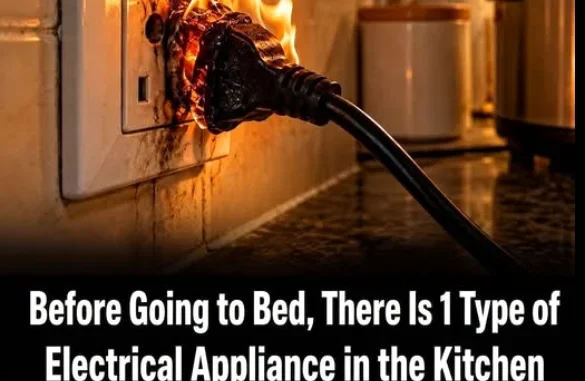
The kitchen is often considered the heart of the home—a place where meals are prepared, conversations happen, and families gather. However, it is also an area where electrical appliances and cooking equipment can pose potential fire risks if not handled with care. Ensuring the safety of your kitchen before going to bed is a crucial part of protecting your home and loved ones. This comprehensive guide explores common kitchen appliances, potential hazards, warning signs of electrical issues, and practical safety measures to help reduce the risk of fires.
Understanding Kitchen Appliance Risks
Modern kitchens are equipped with a variety of electrical devices designed to make daily tasks more convenient. From toasters and kettles to air fryers and multicookers, these appliances use electricity to operate and often generate heat, which can increase the chance of fire if not used or maintained properly. Electrical faults, such as damaged cords, overloaded outlets, or faulty plugs, may result in overheating, sparks, or even electrical fires.
It is important to recognize that not all appliances require the same level of caution. Some should be unplugged after use, while others, like refrigerators and freezers, need to remain connected to maintain food safety. Following manufacturer guidelines and developing a routine to check appliances before bedtime can significantly enhance safety.
Key Kitchen Appliances and Their Safe Usage
- Toasters
Toasters use heating elements that can become extremely hot and may accumulate crumbs that could ignite if left unattended. After use, it is advisable to switch off the toaster, allow it to cool, and clean it regularly. Unplugging the toaster when not in use is recommended if indicated by the manufacturer’s instructions.
- Electric Kettles
Most electric kettles have an automatic shut-off feature once water boils, but users should ensure the kettle is placed on a stable, dry surface and avoid overfilling. Regular inspection of the power cord and plug is essential to detect any damage. Whether to unplug the kettle after each use depends on its design.
- Coffee Makers
Coffee machines vary widely in features, with some having warming plates that stay hot after brewing. Understanding your specific model’s operation is critical. Turning off the machine and unplugging it when not needed can prevent unnecessary risks.
- Air Fryers and Electric Grills
These appliances operate at high temperatures and should be turned off and allowed to cool after use. Proper ventilation around these devices is vital to prevent overheating. They should be kept away from flammable materials such as paper towels or curtains.
- Rice Cookers and Multicookers
Many models include warming functions designed to keep food warm for limited periods. Users should follow the manufacturer’s guidance on when to switch off or unplug the appliance to avoid continuous operation that could pose hazards.
- Chargers and Small Electrical Devices
Phone chargers and other small electronics should be regularly inspected for damage to cables, plugs, or housings. Overheating, unusual noises, or burning smells are signs that the device needs to be replaced or repaired.
- Refrigerators and Freezers
Unlike small appliances, refrigerators and freezers require constant power to maintain safe food temperatures. They should generally remain plugged in and operational unless maintenance or emergencies dictate otherwise.
Recognizing Warning Signs of Electrical Problems
Early detection of electrical issues can prevent serious incidents. Some common warning signs include:
- Excessive heat from plugs, cords, or outlets, especially if accompanied by discoloration or burning smells.
- Unusual odors resembling burning plastic, which may indicate melting insulation or faulty wiring.
- Crackling, buzzing, or popping sounds coming from outlets or power strips.
- Visible damage such as frayed wires, cracked plugs, or melted insulation.
- Frequent tripping of circuit breakers when specific appliances are in use.
If any of these signs are present, discontinue use of the affected equipment safely and seek professional electrical inspection.
Risks of Overloading and Extension Cord Use
Many kitchen appliances require significant electrical power. Using multiple high-power devices on a single extension lead or power strip can exceed their capacity, leading to overheating and increased fire risk. Avoid daisy-chaining extension cords or using adapters not rated for the appliance load. If your kitchen lacks sufficient outlets, consider consulting a qualified electrician for a safe upgrade.
Daily Practices to Enhance Kitchen Safety
Ensuring kitchen safety extends beyond unplugging appliances. Some practical habits include:
- Keeping combustible materials such as paper towels, dishcloths, and packaging away from heat-generating devices.
- Regularly inspecting electrical cords to prevent damage from pinching, stretching, or exposure to heat.
- Avoiding the use of electrical appliances near water sources and never handling plugs with wet hands.
- Cleaning appliances according to manufacturer instructions to prevent buildup of food debris that could ignite.
- Never leaving cooking unattended, especially when using stovetops or heating oil.
Responding to Electrical Fires
In the event of an electrical fire, safety is paramount. Do not attempt to extinguish electrical fires with water, as this could increase the risk of electrocution and spread the fire. If it is safe to do so, disconnect power to the appliance. Otherwise, evacuate immediately and contact emergency services. Having an appropriate fire extinguisher and knowing how to use it can be beneficial but should never delay evacuation.
Creating a Nightly Safety Routine
Incorporating a checklist before bedtime can help ensure nothing is overlooked:
- Confirm all cooking equipment is turned off.
- Switch off and unplug small appliances as recommended.
- Inspect plugs, cords, and outlets for damage or unusual signs.
- Ensure outlets are not overloaded.
- Clear flammable materials from the vicinity of appliances.
- Keep essential devices like refrigerators plugged in.
- Test smoke alarms and confirm that escape routes are clear.
Educating Household Members
Safety is most effective when everyone in the household understands and participates in safety practices. Children should be taught not to touch damaged electrical equipment, while older adults and those with mobility challenges should be familiar with the safety routine. Posting the checklist in a visible place can support consistent adherence.
Conclusion
Kitchen appliances bring convenience to daily life but also require careful attention to minimize fire risks. By understanding the operation and safety needs of various devices, recognizing early signs of electrical problems, and adopting responsible habits, households can create a safer environment. Regular maintenance, proper use, and a consistent bedtime safety check, combined with working smoke alarms and a well-communicated emergency plan, contribute significantly to reducing the likelihood of kitchen fires and enhancing overall home safety.
Understanding the Role of Smoke Alarms in Kitchen Safety
Smoke alarms are a critical component of home fire safety, providing early warning that can save lives and reduce property damage. In kitchens, where fire risks are higher due to the use of heat-generating appliances and cooking activities, having properly functioning smoke alarms is especially important. Regularly testing smoke alarms and replacing batteries as needed ensures they are ready to alert occupants promptly. It is also advisable to install smoke alarms outside the kitchen area to prevent false alarms caused by normal cooking fumes, while still maintaining effective coverage for the rest of the home.
The Importance of Professional Electrical Inspections
While routine checks and maintenance by homeowners are beneficial, professional electrical inspections play a vital role in identifying hidden hazards that may not be apparent during everyday use. Licensed electricians can assess wiring integrity, verify that outlets and circuits are not overloaded, and ensure that kitchen electrical systems comply with current safety standards. Scheduling periodic inspections, especially in older homes or after electrical work, helps uncover potential issues before they develop into serious problems.
Safe Installation Practices for Kitchen Appliances
Proper installation of kitchen appliances is fundamental to safe operation. Appliances should be installed according to manufacturer instructions and local electrical codes. For example, high-powered devices like ovens and cooktops often require dedicated circuits to handle their energy demand safely. Using appropriate outlet types, such as ground-fault circuit interrupter (GFCI) outlets near water sources, reduces the risk of electric shock. When in doubt, consulting a qualified electrician ensures that installations meet safety requirements and function as intended.
Energy Efficiency and Safety Considerations
Choosing energy-efficient kitchen appliances can contribute to both environmental responsibility and safety. Modern appliances often incorporate advanced safety features such as automatic shutoff, thermal protection, and smarter power management. These characteristics can reduce the risk of overheating and electrical faults. When purchasing new devices, consider models with recognized safety certifications from reputable organizations, and always follow warranty and maintenance guidelines to keep appliances operating safely.
Understanding Appliance Lifespan and Replacement
Electrical appliances have a finite lifespan, after which their safety and performance may decline. Over time, internal components can wear out, insulation may degrade, and safety mechanisms might become less reliable. Paying attention to manufacturer recommendations regarding the expected service life of appliances helps determine when replacement is advisable. Continuing to use outdated or malfunctioning devices can increase the likelihood of electrical hazards.
Child Safety in the Kitchen
Protecting children from electrical hazards in the kitchen is a key aspect of household safety. Installing outlet covers or tamper-resistant receptacles prevents accidental contact with electrical sockets. Keeping cords out of reach and ensuring that children understand not to touch appliances or plugs helps reduce risks. Additionally, teaching children about the dangers of electricity in an age-appropriate manner fosters awareness and encourages safe behavior.
Emergency Preparedness and Family Communication
Preparing for potential emergencies involves more than just preventing fires; it requires clear communication and practice. Families should establish and rehearse fire escape plans, identifying multiple exits and a designated meeting spot outside the home. Make sure everyone knows how to call emergency services quickly and what information to provide. Having a basic understanding of first aid and fire extinguisher use can further enhance readiness.
The Role of Routine Maintenance in Long-Term Safety
Routine maintenance extends the safe operation of kitchen appliances and electrical systems. This includes tasks such as cleaning vents and filters, checking for signs of wear or damage, and addressing minor issues promptly before they escalate. Keeping appliances free of dust and debris helps prevent overheating and mechanical failures. Maintaining clear spaces around appliances ensures proper ventilation, which is crucial for heat dissipation.
Avoiding Common Mistakes That Increase Fire Risks
Several common habits can inadvertently increase fire risks in the kitchen. These include leaving appliances unattended while in use, using damaged cords or plugs, overloading outlets, and attempting DIY repairs without proper knowledge. Avoiding these practices by adhering to safety guidelines and seeking professional help when needed contributes to a safer kitchen environment.
The Benefits of Educating Yourself on Electrical Safety Standards
Understanding relevant electrical safety standards and regulations empowers homeowners to make informed decisions about their kitchen appliances and electrical installations. Familiarity with guidelines from authoritative bodies, such as the National Fire Protection Association (NFPA) or local electrical codes, provides a framework for safe practices. Accessing educational resources and staying updated on best practices ensures ongoing awareness of potential risks and mitigation strategies.
Using Technology to Enhance Kitchen Safety
Advancements in technology have introduced smart home devices that can enhance kitchen safety. Smoke detectors integrated with home automation systems can send alerts to smartphones, enabling remote monitoring. Smart plugs with energy monitoring capabilities allow users to track appliance usage and identify anomalies. While technology offers additional layers of protection, it should complement—not replace—fundamental safety measures and vigilance.
Incorporating Fire-Resistant Materials in Kitchen Design
When renovating or designing a kitchen, selecting fire-resistant materials for countertops, backsplashes, flooring, and cabinetry can help slow the spread of fire and provide occupants with more time to respond. Materials such as stainless steel, ceramic tiles, and certain treated woods offer increased resistance to heat and flames. Thoughtful kitchen design that considers fire safety alongside aesthetics contributes to overall risk reduction.
The Importance of Reporting Electrical Hazards Promptly
If you encounter electrical hazards such as sparking outlets, persistent odors, or malfunctioning appliances, reporting these issues promptly to qualified professionals is essential. Delaying repairs can lead to worsening conditions and increased fire risk. Homeowners should avoid attempting repairs themselves unless they are trained and certified, as improper handling can cause accidents or violate local codes.
Conclusion: Cultivating a Culture of Safety
Reducing kitchen fire risks requires a comprehensive approach that combines knowledge, vigilance, maintenance, and community awareness. By integrating safe appliance use, regular inspections, emergency preparedness, and ongoing education, households can foster a culture of safety that protects both people and property. The small daily steps taken before bedtime and throughout the day contribute to a safer kitchen environment and greater peace of mind.