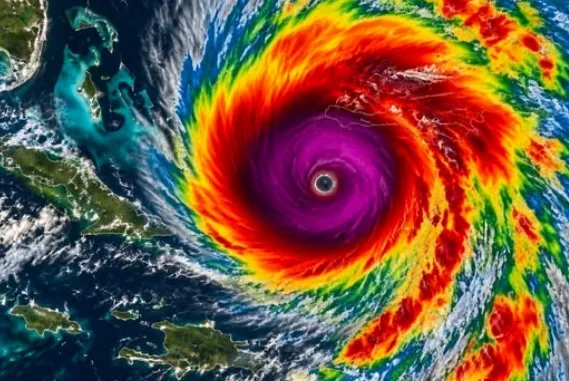
Hurricanes are among the most powerful natural phenomena affecting coastal regions worldwide. Their ability to inflict widespread damage and disrupt communities underscores the importance of understanding their nature, history, and the measures needed to prepare for them. One such notable storm was Hurricane Melissa, a Category 5 hurricane that struck the Caribbean in 2025. Although no longer active and retired from the hurricane naming list, Melissa’s impact and the lessons it offers remain relevant for communities and individuals living in hurricane-prone areas.
The Power and Path of Hurricane Melissa
Hurricane Melissa developed over the warm waters of the Caribbean Sea in October 2025. It rapidly intensified under favorable environmental conditions, reaching Category 5 status—the highest level on the Saffir-Simpson Hurricane Wind Scale. At its peak, Melissa exhibited sustained winds exceeding 180 miles per hour and a notably low central pressure, marking it as one of the most intense hurricanes recorded in the Atlantic basin.
The storm made landfall in Jamaica near Westmoreland Parish, causing widespread destruction across the island as it moved northeastward. The combination of powerful winds, heavy rainfall, and storm surge led to significant damage to infrastructure, homes, and essential services. Beyond Jamaica, surrounding Caribbean nations also experienced disruptions due to Melissa’s expansive reach.
Environmental Conditions Fueling Melissa’s Strength
Several key factors contributed to Melissa’s rapid intensification and sustained strength. Warm ocean waters provided the essential energy source for the hurricane. The ocean heat content, reflecting the temperature not only at the surface but also in deeper layers, was notably high during Melissa’s formation. This allowed the storm to maintain energy even as it churned the upper ocean layers.
Additionally, relatively low vertical wind shear in the atmosphere helped Melissa’s structure remain organized. Wind shear can disrupt hurricanes by tilting their vertical columns and displacing thunderstorms away from the center, thus inhibiting development. In Melissa’s case, the favorable atmospheric conditions enabled the storm to develop a well-defined eye and spiral rainbands, hallmarks of an intense hurricane.
Understanding the Impact on Communities
The aftermath of Hurricane Melissa was marked by significant challenges for affected populations. In Jamaica, the storm caused structural damage to homes, downed power lines, and obstructed transportation routes. Flooding from heavy rains and storm surge compounded these issues, leading to isolation of communities and difficulties in delivering emergency aid.
Health services were also impacted. Interruptions to electricity and damage to facilities complicated the provision of medical care. Vulnerable groups, including those dependent on electrical medical devices or regular medication, faced heightened risks. Regional health organizations coordinated support efforts to mitigate these challenges.
Economic consequences were considerable as well. Damage to agriculture and local businesses affected livelihoods and food security, while rebuilding efforts demanded substantial resources and time.
The Process and Challenges of Recovery
Recovering from a Category 5 hurricane is a complex, multi-year endeavor. Restoration involves clearing debris, repairing infrastructure, and rebuilding homes to withstand future storms. Ensuring that critical services such as healthcare, education, and utilities return to normal operation is essential for community resilience.
Emotional and psychological recovery is equally important. The trauma of experiencing a devastating hurricane can persist long after physical reconstruction is complete. Support systems and community engagement play vital roles in helping residents cope with these effects.
Hurricane Naming and the Retirement of Melissa
The World Meteorological Organization (WMO) manages the naming of tropical storms and hurricanes to facilitate clear communication. Names are reused on a rotating basis unless a storm causes exceptional damage or loss of life. In such cases, the name is retired to avoid confusion and as a mark of respect for those affected.
Following the 2025 season, the name Melissa was retired due to the storm’s severe impact. It was replaced with the name Molly for future seasons. This practice helps maintain clarity in meteorological records and public awareness.
Clarifying Misinformation and the Importance of Accurate Storm Reporting
In recent times, dramatic satellite images of hurricanes have circulated widely on social media, sometimes accompanied by misleading information about current storm activity. For instance, an image of Hurricane Melissa has been shared with claims suggesting it represents a newly forming hurricane in 2026. However, official reports confirm that Melissa was a 2025 storm and that no active tropical cyclones were present in the Atlantic at the referenced time.
This highlights the necessity for verifying weather information through trusted sources such as the National Hurricane Center and local meteorological agencies. Checking the date, location, and official advisories before sharing or acting on storm information can prevent unnecessary alarm and ensure appropriate responses.
Preparedness: Practical Steps for Hurricane Seasons
The experience of Hurricane Melissa reinforces the value of preparedness in hurricane-prone areas. Families and communities can take several steps to enhance safety and resilience:
Assemble an Emergency Kit: Include drinking water, non-perishable food, medications, first-aid supplies, flashlights, batteries, radios, important documents, and any special needs items.
Know Evacuation Routes: Familiarize yourself with local evacuation plans and shelters. Have a communication plan with family members.
Understand Storm Surge Risks: Recognize that storm surge can be one of the most dangerous aspects of a hurricane, often causing rapid flooding.
Avoid Floodwaters: Never walk or drive through floodwaters due to hidden dangers such as strong currents, debris, and electrical hazards.
Follow Official Instructions: Always prioritize guidance from emergency management authorities over unverified reports.
The Role of Technology and Research in Hurricane Forecasting
Modern meteorology employs a range of tools to monitor and predict hurricanes. Satellite imagery provides a comprehensive view of storm development and structure. Aircraft reconnaissance missions gather detailed atmospheric data, while ocean buoys and radar systems contribute real-time information.
Computer models assimilate this data to forecast storm tracks, intensity, and potential impacts. Despite advances, forecasting retains inherent uncertainties, underscoring the importance of updated advisories and cautious preparedness.
Building Resilience for the Future
Long-term resilience involves more than emergency response. It requires thoughtful urban planning, stronger building codes, improved infrastructure, and investment in community education. Considering climate trends and environmental changes can also inform strategies to reduce vulnerability.
Communities affected by Hurricane Melissa have undertaken various rebuilding initiatives aimed at enhancing durability against future storms. Such efforts serve as examples for other regions facing similar risks.
Conclusion: Honoring History, Embracing Preparedness
Hurricane Melissa’s legacy is multifaceted. It serves as a reminder of the destructive potential of tropical cyclones and the critical importance of accurate information, preparedness, and resilient infrastructure. While dramatic images may capture public attention, understanding the full context and respecting the experiences of affected communities is vital.
By learning from past storms like Melissa, individuals and policymakers can better equip themselves to face future hurricane seasons with knowledge, caution, and readiness.
Media Literacy and the Spread of Storm-Related Images
In the age of social media, images and videos can spread rapidly, often without sufficient context or verification. Dramatic satellite pictures of storms like Hurricane Melissa can evoke strong emotional responses, leading to widespread sharing. However, this can sometimes result in misinformation or confusion, particularly if images are outdated or miscaptioned. Developing media literacy skills is essential for the public to critically evaluate such content. This includes questioning the source of an image, checking the date it was captured, and seeking confirmation from authoritative meteorological agencies before drawing conclusions or sharing information.
Understanding the Career of Meteorologists and Hurricane Researchers
Behind the forecasting and communication of storms like Hurricane Melissa are dedicated professionals including meteorologists, atmospheric scientists, and emergency managers. These experts utilize complex data from satellites, radar, aircraft, and computer models to analyze storm behavior and predict potential impacts. Many meteorologists specialize in tropical meteorology and spend years studying hurricane dynamics, climate influences, and forecasting techniques. Their work not only informs public safety decisions but also advances scientific understanding of tropical cyclones.
Engagement with Local Communities
Effective hurricane preparedness and response depend heavily on collaboration between meteorological agencies, emergency management officials, and local communities. Outreach programs and educational campaigns help residents understand risks and appropriate actions. Community leaders and organizations often work to disseminate information, organize drills, and support vulnerable populations. The legacy of storms like Melissa emphasizes the need for ongoing engagement to build trust and ensure that preparedness advice is accessible and actionable.
The Role of International Cooperation in Hurricane Monitoring and Response
Hurricanes do not respect national boundaries, making international cooperation vital for monitoring and responding to tropical cyclones. Organizations such as the World Meteorological Organization coordinate the naming of storms and facilitate data sharing among countries. Regional bodies, including the Caribbean Meteorological Organization and the Pan American Health Organization, support member states in preparedness and post-disaster recovery. Through shared resources, expertise, and communication channels, countries can better anticipate hurricane impacts and coordinate assistance during emergencies.
Climate Change and Its Relationship with Hurricanes
While no single hurricane can be directly attributed to climate change, long-term trends in atmospheric and oceanic conditions influence hurricane behavior. Warmer sea surface temperatures can provide more energy to developing storms, potentially increasing their intensity. Changes in atmospheric patterns may affect storm tracks and rainfall. Scientists continue to research these complex interactions to improve understanding and forecasting. It remains important to approach discussions on climate and hurricanes with nuance, relying on peer-reviewed studies and consensus from climate science organizations.
Economic Implications of Major Hurricanes
Beyond immediate physical damage, hurricanes like Melissa impact economies on multiple levels. Infrastructure repair, loss of productivity, and disruption of trade can strain local and national budgets. Tourism-dependent areas may face prolonged downturns due to damaged facilities and altered perceptions of safety. Insurance systems also experience increased claims, which can influence premiums and coverage availability. Understanding these economic factors is crucial for policymakers to allocate resources effectively and design recovery programs that support sustainable development.
Psychological and Social Dimensions of Hurricane Recovery
The effects of major hurricanes extend into psychological and social realms. Survivors may experience stress, anxiety, and trauma related to the event and its aftermath. Community cohesion can be challenged by displacement and resource scarcity. Mental health services and social support networks play an important role in facilitating recovery and resilience. Integrating psychological care into disaster response plans helps address these often-overlooked aspects of hurricane impacts.
Advancements in Hurricane-Resistant Building Practices
In response to the devastation caused by powerful hurricanes, engineering and architectural practices have evolved to enhance building resilience. Techniques include reinforced roofing, impact-resistant windows, elevated structures to mitigate flooding, and improved foundation designs. Building codes in hurricane-prone regions are increasingly incorporating these standards to reduce vulnerability. Retrofitting older structures is also a key strategy. Such measures contribute to reducing damage and accelerating recovery after future storms.
The Importance of Emergency Communication Systems
Reliable communication is essential before, during, and after a hurricane. Emergency alert systems, including text messages, sirens, and broadcast media, provide critical information about evacuation orders and storm developments. Backup power sources and redundant communication technologies help maintain connectivity when infrastructure is compromised. Community preparedness involves ensuring that residents have access to these channels and understand how to receive and interpret alerts.
Lessons for Future Hurricane Seasons
Reflecting on Hurricane Melissa offers valuable insights for improving hurricane preparedness and response. These include the necessity of early and clear communication, the importance of infrastructure resilience, and the critical role of community involvement. Continuous investment in scientific research, emergency management capabilities, and public education enhances the ability to mitigate risks associated with tropical cyclones. By applying these lessons, regions vulnerable to hurricanes can better protect lives and property in future storm seasons.
The Role of Community-Based Disaster Preparedness
One of the critical factors that can significantly reduce the impact of hurricanes like Melissa is community-based disaster preparedness. Local communities that engage in planning, education, and drills are better equipped to respond effectively when a storm approaches. This includes identifying vulnerable populations, establishing community shelters, and creating neighborhood communication networks. Empowering residents with knowledge and resources fosters resilience and can save lives.
Media Literacy in the Context of Weather Information
In an era where social media amplifies the spread of information rapidly, discerning accurate from misleading content is crucial, especially regarding natural disasters. Individuals should develop skills to critically evaluate weather-related posts by considering the credibility of the source, cross-checking with official meteorological agencies, and verifying dates and locations associated with images or reports. Responsible sharing of information helps prevent unnecessary panic and ensures that emergency responses are based on reliable data.
Training and Careers in Meteorology and Emergency Management
The science and management of hurricanes rely on professionals trained in meteorology, atmospheric science, and emergency response. Meteorologists analyze data from satellites, radar, and other tools to forecast storm development and behavior. Emergency managers coordinate preparedness, response, and recovery efforts, working closely with government agencies and communities. Careers in these fields require a combination of scientific knowledge, technological proficiency, and communication skills. Supporting education and training in these areas strengthens society’s overall capacity to handle severe weather events.
International Collaboration in Hurricane Monitoring and Response
Hurricanes often affect multiple countries, making international cooperation essential. Organizations such as the World Meteorological Organization facilitate the coordination of storm naming, data sharing, and research. Regional entities like the Caribbean Meteorological Organization and the Pan American Health Organization assist member countries in preparedness and response activities. This collective approach enables timely warnings, resource mobilization, and effective recovery strategies, ultimately reducing the human and economic toll of hurricanes.
The Economic Impact of Hurricanes Beyond Immediate Damage
While physical destruction is the most visible consequence of hurricanes, their economic impact extends further. Disruptions in transportation, commerce, and tourism can affect regional economies for months or even years. Small businesses may struggle to recover without adequate support, and agricultural losses can threaten food security. Insurance markets also feel the strain, influencing premiums and coverage options. Understanding these broader effects is key for policymakers and planners aiming to foster economic resilience alongside physical rebuilding.
Psychological and Social Effects of Hurricane Disasters
Experiencing a major hurricane can lead to lasting psychological effects, including anxiety, stress, and trauma. Social dynamics within affected communities may also change due to displacement and resource scarcity. Mental health services integrated into disaster recovery programs play a vital role in addressing these challenges. Community support networks and outreach initiatives can facilitate healing and help restore a sense of normalcy for survivors.
Advancements in Hurricane-Resistant Construction and Infrastructure
In response to the destruction caused by storms like Melissa, engineering practices have evolved to improve the resilience of buildings and infrastructure. Innovations include reinforced structural elements, impact-resistant windows, elevated foundations to mitigate flood risk, and improved drainage systems. Building codes in hurricane-prone regions increasingly incorporate these standards, and retrofitting existing structures is encouraged. Such measures reduce vulnerability and contribute to faster recovery after future hurricanes.
Enhancing Emergency Communication Systems
Effective communication before, during, and after hurricanes is essential for public safety. Emergency alert systems utilizing multiple platforms—such as mobile notifications, sirens, radio, and television broadcasts—ensure that critical information reaches diverse populations. Backup power sources and redundant communication technologies help maintain connectivity when infrastructure is compromised. Educating the public on how to access and interpret these alerts is a key component of preparedness.
Future Directions: Integrating Research, Policy, and Community Action
The lessons learned from Hurricane Melissa underscore the importance of integrating scientific research, public policy, and community engagement to improve hurricane preparedness and response. Ongoing investment in meteorological research enhances forecasting capabilities, while policies that prioritize resilient infrastructure and equitable resource distribution strengthen societal defenses. Active participation by communities in planning and education ensures that strategies are relevant and effective. Together, these efforts form a comprehensive approach to reducing hurricane risks and safeguarding lives and property.