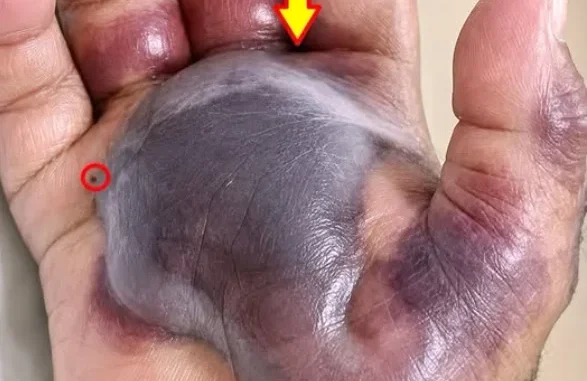
Understanding the Risks of Minor Skin Injuries
Minor skin injuries like small cuts, scrapes, or insect bites are common and often heal without complications. However, even these seemingly insignificant breaks in the skin’s surface can sometimes provide an entry point for bacteria and other pathogens, potentially leading to skin infections. The skin serves as a primary defense barrier against infection, so when it is compromised, vigilance is essential.
While many wounds heal uneventfully, certain factors increase the likelihood of infection. These include personal health conditions such as diabetes, immune system impairments, advanced age, and chronic skin diseases. Recognizing the early warning signs of infection and practicing proper wound care can help prevent complications and promote faster healing.
Common Causes and Vulnerable Populations
Infections usually arise when bacteria penetrate the skin through a cut, puncture, insect bite, or other minor trauma. Staphylococcus and Streptococcus species are among the most common bacteria involved in skin infections, but others can also cause problems.
Individuals with underlying health issues or weakened immune defenses face a higher risk. For example, older adults often experience thinning skin and slower wound healing, while people with diabetes may have reduced circulation and nerve sensation, leading to unnoticed injuries and infections. Those on immunosuppressive medications or with chronic skin conditions also require careful monitoring.
Identifying Early Signs of Skin Infection
It is important to observe how the injury site changes over time. Some redness and mild swelling are normal during the initial healing phase, but certain signs may suggest infection:
Spreading Redness: If redness extends beyond the wound margins or becomes more intense, it could indicate bacterial growth.
Increasing Pain or Tenderness: Pain that worsens or is disproportionate to the injury may signal infection.
Swelling: Persistent or expanding swelling beyond the injury site warrants attention.
Warmth: The area feeling warm or hot compared to surrounding skin can reflect inflammation.
Unusual Discharge: Thick, cloudy, yellow, or green pus, or a foul odor, are signs of infection.
Systemic Symptoms: Fever, chills, fatigue, or a general feeling of illness can indicate the infection is spreading.
Delayed Healing: Wounds that do not improve, enlarge, or develop new symptoms may be infected.
Proper Wound Care Practices
Good hygiene and wound management are key to preventing infections:
Clean Hands: Always wash hands thoroughly before treating a wound to avoid introducing bacteria.
Gentle Cleaning: Rinse wounds with clean water and mild soap around the area. Avoid harsh scrubbing.
Protection: Cover the wound with a sterile dressing to keep out dirt and bacteria. Change dressings regularly, especially if wet or dirty.
Avoid Picking: Let scabs form and fall off naturally to prevent reopening the wound.
For insect bites, washing the area, applying a cold compress, and using appropriate anti-itch remedies can help reduce irritation. It is important to avoid scratching, which can break the skin and increase infection risk.
When to Seek Medical Attention
Not all skin infections require urgent care, but timely evaluation is critical when symptoms worsen or do not improve. Consult a healthcare professional if you notice:
Redness spreading rapidly or covering a large area.
Increasing pain, swelling, or warmth.
Discharge of pus or foul smell from the wound.
Fever, chills, or signs of systemic illness.
Wounds that fail to heal or appear to worsen over several days.
Emergency care is necessary if there are signs of severe allergic reactions (such as difficulty breathing or swelling of the throat), spreading redness accompanied by severe pain, or rapid deterioration.
Preventative Habits for Skin Health
To minimize infection risk from minor injuries, consider these habits:
Maintain good overall hygiene and handwashing routines.
Promptly clean and dress any cuts, scrapes, or insect bites.
Avoid sharing personal items that contact skin wounds.
Keep fingernails trimmed to reduce damage from scratching.
Monitor wounds daily for any changes indicating infection.
Keep a basic first aid kit with clean dressings, sterile gauze, and mild soap readily available.
Special Considerations for Older Adults and At-Risk Groups
Aging skin becomes more fragile and heals more slowly, making infections more likely and recovery longer. Additionally, chronic illnesses and medications can impair immune responses. Caregivers and family members should assist with wound care, ensure proper hygiene, and seek medical advice promptly if concerning symptoms develop.
Understanding the Healing Process
Normal wound healing involves several stages: inflammation, tissue formation, and remodeling. Early redness, mild swelling, and some discomfort are part of this natural process. Over time, these symptoms should subside, and new tissue should fill in the wound.
If the injury site becomes increasingly red, swollen, painful, or begins to drain pus, this suggests that infection may have developed. Prompt treatment can prevent more serious complications such as abscess formation or systemic infection.
Conclusion
Minor skin injuries are common and usually heal without issue, but they should not be overlooked. Recognizing the signs of infection and practicing proper wound care can safeguard your health. If you notice worsening symptoms or systemic signs like fever, seek medical evaluation to ensure appropriate treatment. Taking simple precautions and monitoring your wounds carefully helps support the body’s natural healing and prevents complications.
By staying informed and attentive, you can effectively manage small cuts, scrapes, and insect bites, maintaining healthy skin and overall well-being.
The Role of Antibiotics and Other Treatments in Managing Skin Infections
In some cases, when a skin infection is confirmed or strongly suspected, healthcare providers may prescribe antibiotics. These medications can be topical, applied directly to the infected area, or systemic, taken orally or intravenously to address infections that have spread or are more severe. It is important to follow the prescribed treatment regimen fully, even if symptoms improve before the medication is finished. Premature discontinuation can lead to incomplete eradication of bacteria and potential recurrence.
Beyond antibiotics, other treatments might include wound drainage if pus has accumulated, or specialized care for chronic wounds. In rare cases, hospitalization may be necessary for intravenous antibiotics or more intensive interventions.
It is essential to avoid self-medicating with antibiotics without professional guidance, as misuse can contribute to antibiotic resistance and may not address the specific infection effectively.
Understanding the Impact of Chronic Conditions on Skin Health
Certain chronic health conditions can significantly affect skin integrity and healing capacity. Diabetes, for example, impairs circulation and nerve function, which can delay wound healing and increase infection risk. Peripheral neuropathy may lead to unnoticed injuries, allowing infections to develop unchecked.
Similarly, autoimmune diseases or treatments that suppress the immune system reduce the body’s ability to fight off infections. In such cases, even minor skin injuries require diligent care and close monitoring.
Individuals with chronic skin disorders such as eczema or psoriasis may have compromised skin barriers, making them more susceptible to secondary infections following minor trauma.
The Psychological and Social Implications of Skin Infections
Though often overlooked, skin infections can have psychological and social impacts. Visible wounds or infections, especially when persistent or severe, may affect a person’s self-esteem and social interactions. Discomfort and pain can also interfere with daily activities and quality of life.
Encouraging open communication with healthcare providers about these concerns can help in managing both the physical and emotional aspects of skin health.
Environmental and Lifestyle Factors Influencing Skin Infection Risks
Environmental exposures and lifestyle choices can influence the risk and severity of skin infections. Frequent contact with contaminated water, soil, or surfaces may increase bacterial exposure. Occupations or hobbies involving manual labor or outdoor activities can lead to more frequent skin injuries.
Maintaining clean living and working environments, wearing protective clothing, and practicing regular skin inspection can mitigate risks.
Nutrition also plays a role in skin health. Adequate intake of vitamins, minerals, and protein supports tissue repair and immune function.
The Importance of Education and Awareness
Public education about wound care and infection prevention is vital. Many individuals underestimate the potential seriousness of minor skin injuries or are unaware of appropriate care techniques.
Healthcare providers, community programs, and media can contribute by disseminating clear, evidence-based information on recognizing infection signs and when to seek medical care.
Empowering people with knowledge helps reduce complications and healthcare burdens associated with skin infections.
The Role of Technology and Telemedicine
Advancements in technology have expanded options for managing minor skin injuries and infections. Telemedicine services allow individuals to consult healthcare professionals remotely, which can be especially beneficial for those with mobility issues or living in remote areas.
Through virtual consultations, patients can receive timely assessments, guidance on wound care, and recommendations for in-person visits if necessary.
Mobile applications and wearable devices that monitor wound healing are also emerging tools that may support patient engagement and early detection of complications.
When to Consider Specialist Care
Most minor skin infections can be managed by primary care providers. However, specialist consultation may be appropriate in certain situations, such as:
- Persistent or recurrent infections despite standard treatment.
- Infections involving deeper tissues, such as cellulitis or abscesses.
- Complicated wounds related to diabetes or vascular diseases.
- Suspected unusual infections caused by fungi, viruses, or atypical bacteria.
- Cases requiring surgical intervention or advanced wound care therapies.
Dermatologists, infectious disease specialists, and wound care nurses have expertise in managing complex skin infections and can offer tailored treatment plans.
Home Care Tips for Supporting Healing
In addition to medical treatment, patients can adopt supportive home care practices:
- Maintain a balanced diet rich in nutrients that promote skin repair.
- Stay hydrated to support overall health.
- Avoid smoking and excessive alcohol consumption, which can impair healing.
- Keep the wound area elevated when possible to reduce swelling.
- Wear loose, breathable clothing to prevent irritation.
- Monitor the wound regularly and document any changes to report to healthcare providers.
By combining medical advice with attentive self-care, individuals can optimize recovery outcomes.
Understanding the Broader Context of Skin Infections
Skin infections are part of a broader spectrum of infectious diseases that affect millions worldwide. While minor infections are common and often manageable, more severe skin infections can contribute to significant morbidity and healthcare costs.
Global health initiatives emphasize the importance of hygiene, access to clean water, and education to reduce the burden of skin infections, particularly in vulnerable populations.
Recognizing minor skin infections as potential indicators of underlying health issues can also prompt broader health evaluations, improving overall patient care.
Reader Takeaways
- Minor skin injuries can lead to infections; early recognition and proper care are essential.
- Be vigilant for signs such as spreading redness, increasing pain, swelling, warmth, unusual discharge, or systemic symptoms.
- Maintain good hygiene, clean wounds gently, protect with appropriate dressings, and avoid picking at scabs.
- Seek medical advice promptly when symptoms worsen or do not improve.
- Chronic conditions and age can increase infection risk; extra care is warranted.
- Avoid self-medicating, especially with antibiotics, to prevent resistance and ensure effective treatment.
- Utilize available resources, including telemedicine, for timely consultation.
- Support healing with healthy lifestyle choices and proper wound care.
By integrating these practices and knowledge, individuals can better manage minor cuts and insect bites, reducing the risk of complications and promoting skin health.
The Role of Skin Microbiome in Infection Prevention
The skin is home to a diverse community of microorganisms known as the skin microbiome. This natural ecosystem includes bacteria, fungi, and viruses that coexist on the skin’s surface. Many of these microorganisms play a protective role by competing with harmful pathogens and supporting the skin’s immune defenses. Disruptions to the skin microbiome, such as through excessive washing, use of harsh chemicals, or antibiotic overuse, can weaken this protective barrier and potentially increase susceptibility to infections.
Maintaining a balanced skin microbiome is part of overall skin health. Using gentle skin cleansers, avoiding unnecessary antibiotic use, and supporting natural skin oils may contribute to microbiome stability. Research in this area continues to evolve, offering promising insights into new approaches for preventing and managing skin infections.
Understanding Different Types of Skin Infections
Skin infections can vary widely in their cause and severity. Common bacterial infections include impetigo, folliculitis, and cellulitis. Impetigo is a superficial infection often seen in children, characterized by crusty sores. Folliculitis involves inflammation of hair follicles, while cellulitis affects deeper layers of the skin and can cause more serious systemic symptoms.
Fungal infections, such as athlete’s foot or ringworm, are also common and arise from different microorganisms than bacterial infections. Viral infections like herpes simplex can cause recurrent skin lesions.
Recognizing the type of infection is important because treatment varies accordingly. While the article focuses primarily on bacterial infections following minor injuries, individuals should be aware that other pathogens might require different care strategies.
The Importance of Vaccinations Related to Skin Infections
Certain vaccinations can indirectly reduce the risk of skin infections. For example, the tetanus vaccine protects against Clostridium tetani, a bacterium that can enter the body through wounds and cause serious illness. Staying up to date with tetanus immunizations is especially important for individuals who sustain cuts or puncture wounds.
Additionally, vaccines for diseases like varicella (chickenpox) reduce the incidence of skin lesions that can become secondarily infected. While vaccinations do not prevent all skin infections, they are a key component of comprehensive infectious disease prevention.
The Impact of Climate and Geography on Skin Infection Risks
Environmental factors such as climate and geographic location can influence the frequency and type of skin infections. Warm, humid climates may promote fungal growth and bacterial colonization, potentially increasing infection risks from minor skin injuries.
Occupational and recreational exposures also differ by region, affecting the likelihood of certain insect bites or skin traumas. Awareness of local risks can guide preventive measures, such as wearing protective clothing or using insect repellents.
Adapting wound care practices to the local environment, including attention to hygiene and cleanliness, supports better outcomes.
Community and Public Health Perspectives
Skin infections are not only individual health concerns but can also have community-level implications. Outbreaks of contagious skin conditions can occur in settings like schools, sports teams, or communal living environments.
Public health initiatives that promote hygiene, wound care education, and access to medical services help reduce the spread and impact of skin infections. Encouraging early treatment and reducing stigma around skin conditions can improve community health outcomes.
The integration of skin infection prevention into broader health promotion programs underscores the importance of skin care in overall well-being.
Summary and Final Recommendations
Managing minor cuts, scrapes, and insect bites effectively requires a combination of awareness, proper care, and timely medical consultation when needed. Understanding the protective role of the skin and its microbiome, recognizing the diversity of infections, and considering environmental and personal factors enrich the approach to skin health.
Key takeaways include maintaining gentle skin hygiene, protecting wounds appropriately, monitoring for signs of infection, and seeking professional advice when symptoms worsen. Vaccinations and community health measures contribute additional layers of protection.
By adopting informed and proactive practices, individuals can support their skin’s natural defenses and reduce the burden of infections, leading to healthier outcomes and improved quality of life.