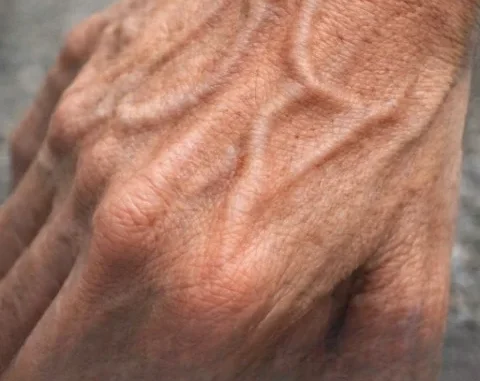
Visible veins are a common feature on many people’s bodies and usually do not indicate any serious health problem. While some veins naturally appear more prominent due to genetics or lifestyle, others can be a sign of underlying circulatory issues that might require medical attention. This article explores the various factors that contribute to the visibility of veins, explains common vein-related conditions, and provides guidance on when to seek professional advice.
The Physiology Behind Visible Veins
Veins are blood vessels responsible for returning blood to the heart. Their visibility can depend on several physiological factors. For example, thinner or lighter skin can make veins more noticeable. Additionally, veins may become more prominent when blood flow increases, such as during physical activity or exposure to heat, which causes blood vessels to dilate.
Certain individuals, including athletes with low body fat, often have more visible veins because there is less fat tissue covering the vessels. Similarly, aging can cause skin to thin and lose elasticity, making veins appear more pronounced.
Common Factors Leading to Prominent Veins
Several everyday factors can cause veins to become more visible temporarily or over time. These include:
- Physical exertion or exercise, which increases blood flow.
- Warm temperatures that cause blood vessels to expand.
- Prolonged standing or sitting, which can slow circulation.
- Wearing tight clothing that restricts blood flow.
- Excess body weight, which can place additional pressure on veins.
- Genetic predisposition influencing vein structure and skin characteristics.
Understanding Varicose Veins
One of the most frequently encountered causes of persistently visible and bulging veins are varicose veins. This condition occurs when vein valves, which normally regulate blood flow back to the heart, become weakened or damaged. When these valves fail, blood can pool in the veins, causing them to enlarge, twist, and sometimes cause discomfort.
Varicose veins most often develop in the legs due to the increased pressure from standing and gravity. While usually harmless, they may cause symptoms such as aching, heaviness, or swelling.
Risk Factors for Developing Varicose Veins
Certain groups are more susceptible to varicose veins. Factors that increase risk include:
- A family history of vein disorders.
- Hormonal changes, such as those experienced during pregnancy.
- Obesity, which adds pressure on the venous system.
- Smoking, which can impair circulation.
- Occupations or routines involving extended periods of standing or sitting.
- Age-related changes in vein function and skin elasticity.
Not everyone with these factors will develop varicose veins, but awareness can help with early detection and management.
Treatment and Management Strategies
For mild cases, lifestyle modifications and conservative measures are often effective. These include wearing compression stockings to support veins, elevating the legs to promote blood flow, engaging in regular physical activity, and avoiding prolonged immobility.
In more advanced cases, medical interventions might be recommended. These can range from minimally invasive procedures, such as sclerotherapy or laser treatments, to surgical options aimed at removing or closing affected veins. A healthcare professional can assess individual conditions and recommend the most suitable treatment.
When to Consult a Healthcare Provider
While visible veins alone may not be cause for concern, certain symptoms should prompt medical evaluation. These include:
- Persistent pain or aching in the affected area.
- Noticeable swelling, especially around the ankles or lower legs.
- Changes in skin color or texture near visible veins.
- Itching or irritation over the veins.
- Redness, warmth, or tenderness indicating possible inflammation.
- Open sores or wounds that do not heal easily.
These signs may indicate complications or more serious circulatory problems that require professional attention.
Potential Complications of Untreated Vein Conditions
If vein issues are ignored, complications can arise. Chronic venous insufficiency may lead to skin changes such as discoloration or thickening. In some cases, venous ulcers, which are slow-healing wounds typically near the ankles, can develop. Though less common, venous disorders can increase the risk of blood clots, which are potentially serious and require urgent care.
Supporting Healthy Vein Function
Maintaining good circulation can help reduce the visibility and discomfort associated with veins. Some practical measures include:
- Engaging in regular cardiovascular exercise to promote blood flow.
- Maintaining a healthy weight to reduce pressure on veins.
- Avoiding smoking, which negatively affects vascular health.
- Taking breaks to move around during long periods of sitting or standing.
- Wearing loose-fitting clothing that does not restrict circulation.
- Elevating legs when resting to facilitate venous return.
These habits support overall vascular health and may prevent the progression of vein-related conditions.
Understanding Visible Veins in Context
Visible veins are a common and often benign feature, influenced by a range of factors from genetics to lifestyle. While usually not a cause for concern, paying attention to accompanying symptoms and risk factors is important. Early consultation with a healthcare provider can help identify any underlying issues and guide appropriate management.
In summary, being informed about why veins become more prominent and recognizing when to seek medical advice can contribute significantly to vascular health and quality of life. Adopting healthy habits and monitoring changes can help individuals manage vein visibility and maintain comfortable circulation throughout their lives.
Advanced Diagnostic Techniques for Vein Conditions
When visible veins raise concerns beyond cosmetic appearance, healthcare providers may utilize various diagnostic tools to assess vein health and circulation. Non-invasive methods such as Doppler ultrasound allow visualization of blood flow within the veins and can identify valve dysfunction or blood clots. In some cases, venography—a specialized imaging technique involving contrast dye—may be employed to provide detailed views of the venous system.
Understanding these diagnostic options can help patients feel more informed about the evaluation process and the rationale behind different tests recommended by their healthcare provider.
The Role of Lifestyle and Environmental Factors in Vein Health
Beyond the commonly discussed causes of visible veins, broader lifestyle and environmental influences can also impact venous health. For example, prolonged exposure to heat sources such as hot baths or saunas can temporarily dilate veins, making them more apparent. Conversely, cold exposure may cause veins to constrict and become less visible.
Nutrition plays a supporting role as well. Diets rich in flavonoids—compounds found in fruits and vegetables—have been associated with supporting vein integrity and circulation. Adequate hydration is important for maintaining blood volume and flow. Conversely, excessive salt intake may contribute to fluid retention and swelling, potentially exacerbating vein visibility.
Psychological and Social Considerations
The visibility of veins can have psychological and social effects on some individuals. For example, prominent veins may cause self-consciousness or impact body image, especially if they appear suddenly or are associated with discomfort. Understanding that visible veins are common and often benign can help alleviate anxiety.
For those experiencing distress, consulting with healthcare professionals, including dermatologists or vascular specialists, can provide reassurance and discuss treatment options. Support groups or counseling may also be beneficial for coping with chronic vein conditions and their impact on quality of life.
Preventive Measures for At-Risk Populations
Certain populations, such as pregnant individuals or those with a family history of vein disorders, may benefit from targeted preventive strategies. During pregnancy, hormonal changes and increased blood volume can stress veins, particularly in the legs. Wearing compression garments, avoiding prolonged standing, and engaging in gentle exercise are commonly recommended practices.
Similarly, individuals in occupations requiring extended standing or sitting may adopt workplace modifications such as scheduled movement breaks, ergonomic seating, or the use of compression stockings to support venous return.
The Importance of Regular Monitoring
For people with known vein conditions or risk factors, regular monitoring can help identify changes early and prevent complications. Routine check-ups with a healthcare provider can include physical examinations and, if necessary, follow-up imaging studies.
Patients should be encouraged to report new or worsening symptoms promptly, as timely intervention often leads to better outcomes.
Emerging Research and Future Directions
Ongoing research in vascular medicine continues to explore innovative treatments and a deeper understanding of vein disorders. For instance, advances in minimally invasive techniques aim to improve efficacy and reduce recovery time. Additionally, studies investigating genetic markers may eventually help identify individuals at higher risk and guide personalized preventive strategies.
Staying informed about credible research developments can empower patients and providers to make evidence-based decisions regarding vein health.
Summary and Practical Takeaways
Visible veins can stem from a wide range of factors including physiological, lifestyle, and environmental influences. While often benign, they can sometimes signal underlying circulatory issues that merit professional evaluation.
Key points to remember include:
- Not all visible veins indicate a medical problem, but accompanying symptoms such as pain or swelling should prompt consultation.
- Lifestyle habits like regular exercise, maintaining a healthy weight, and avoiding prolonged immobility support vein health.
- Diagnostic tools are available to assess vein function and guide treatment options.
- Psychological and social aspects of visible veins should not be overlooked, and support is available.
- Preventive measures are especially important for at-risk groups.
- Regular monitoring helps manage existing vein conditions and detect changes early.
By combining awareness, healthy habits, and professional guidance, individuals can effectively manage visible veins and maintain vascular well-being.
Understanding the Impact of Hormones on Vein Visibility
Hormonal fluctuations play a significant role in vein visibility and venous health, particularly in women. Hormones such as estrogen and progesterone influence the tone and elasticity of vein walls. During phases like puberty, pregnancy, menstruation, and menopause, these hormonal changes can lead to increased vein dilation and sometimes valve weakness. For example, pregnancy increases blood volume and hormonal levels, which can cause veins to enlarge and become more visible, particularly in the legs and pelvic area. Awareness of these hormonal effects can help individuals anticipate changes and adopt preventive strategies during vulnerable periods.
The Importance of Hydration and Vein Health
Adequate hydration is essential for maintaining blood volume and promoting efficient circulation. When the body is well-hydrated, blood flow is optimized, which can reduce the risk of blood pooling in veins. Dehydration may lead to thicker blood consistency, increasing strain on veins and potentially making them more prominent. Drinking sufficient water daily supports vascular health and overall well-being. Additionally, hydration combined with a balanced diet rich in nutrients that support vein integrity, such as vitamin C and bioflavonoids, can further enhance vein resilience.
The Role of Occupational and Lifestyle Adjustments
Certain occupations and daily habits can contribute to vein visibility and venous disorders. Jobs requiring prolonged standing or sitting, such as retail, teaching, or office work, may impair circulation and increase pressure in leg veins. Implementing lifestyle adjustments, such as using ergonomic furniture, taking regular movement breaks, and practicing leg elevation when possible, can alleviate venous pressure. Wearing compression stockings during work hours is another effective measure to support vein function. Employers and employees alike should recognize the importance of these adjustments to promote long-term vascular health.
Psychological Effects and Coping Strategies
Visible veins, particularly when associated with discomfort or cosmetic concerns, can affect an individual’s self-esteem and mental well-being. Some people may feel self-conscious wearing certain clothing or participating in activities like swimming. It is important to acknowledge these feelings and seek support when needed. Consulting with healthcare professionals can provide reassurance and discuss treatment options that may improve appearance and symptoms. Additionally, psychological support, including counseling or peer support groups, can help individuals cope with the emotional impact of chronic vein conditions, fostering a positive quality of life.
Emerging Technologies in Vein Treatment
Advancements in medical technology continue to improve the diagnosis and treatment of vein conditions. New minimally invasive techniques, such as endovenous laser therapy (EVLT) and radiofrequency ablation, offer effective alternatives to traditional surgery with reduced recovery times. These procedures close off affected veins using heat energy, redirecting blood flow to healthier vessels. Ultrasound-guided foam sclerotherapy is another innovation that involves injecting a special solution to collapse problematic veins. Staying informed about these emerging options allows patients and providers to make well-informed decisions tailored to individual needs.
Environmental Factors Influencing Vein Health
Environmental conditions can also affect vein visibility and health. For instance, residing in hot climates or frequent exposure to heat can cause veins to dilate and appear more prominent. Conversely, cold environments may temporarily constrict veins, reducing their visibility. Air quality and pollution may indirectly impact vascular health by contributing to systemic inflammation and oxidative stress. While these factors are less direct contributors, being mindful of environmental influences and adapting lifestyle habits accordingly can support overall vein function.
The Significance of Early Detection and Education
Educating the public about vein health is crucial for early detection and prevention of complications. Recognizing early signs such as mild swelling, discomfort, or increased vein visibility can prompt timely medical evaluation. Healthcare providers play a key role in raising awareness and offering guidance on risk reduction. Community health initiatives and educational materials can empower individuals to adopt healthy behaviors and seek help when necessary, ultimately reducing the burden of advanced vein diseases.
Integrating Vein Health into Overall Wellness
Vein health is an integral part of the broader cardiovascular system and overall wellness. Maintaining a balanced lifestyle that includes nutritious eating, regular exercise, stress management, and avoidance of harmful habits like smoking benefits not only veins but also heart health and circulation. Approaching vein care holistically ensures better outcomes and enhances quality of life. Patients are encouraged to discuss vein concerns within the context of their general health to receive comprehensive care.
Summary of Additional Considerations
This section has highlighted various factors that influence vein visibility and health beyond those commonly discussed. Hormonal changes, hydration, occupational habits, psychological aspects, emerging treatments, environmental influences, education, and holistic wellness all contribute to understanding and managing visible veins. Incorporating these perspectives aids individuals and healthcare providers in adopting a well-rounded approach to vein care.