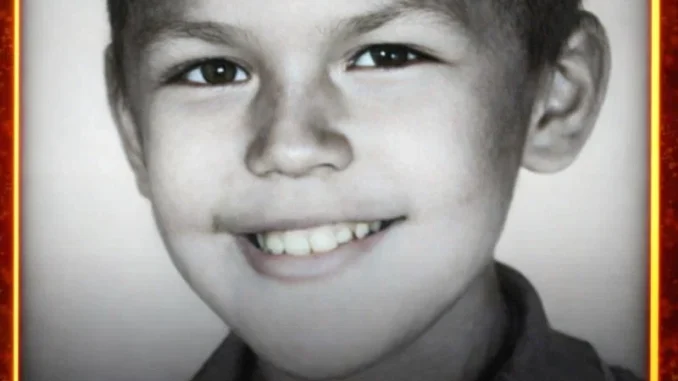
Richard Ramirez remains one of the most infamous figures in American criminal history, known widely by his moniker, the "Night Stalker." His life story presents a complex intersection of adverse childhood experiences, psychological influences, and the darker aspects of human behavior. This article delves into Ramirez’s early life, the factors contributing to his criminal trajectory, the nature of his offenses, and the broader implications for understanding violent crime.
Early Life and Environment
Born in El Paso, Texas, Richard Ramirez’s early years were marked by significant hardship and trauma. Growing up in poverty, he was introduced to a turbulent family environment that included instances of violence and neglect. Such conditions are often linked to the development of antisocial behavior, though it is important to recognize that many individuals endure similar hardships without engaging in criminal acts.
During his youth, Ramirez sustained head injuries, experiences sometimes associated with increased risk for behavioral and impulse control problems. Additionally, he was introduced to graphic and violent imagery through family members and his own explorations, which reportedly included witnessing disturbing events and engaging in activities that nurtured a fascination with death and the occult.
Psychological and Social Influences
Ramirez’s fascination with dark themes extended to an interest in Satanism and symbolism, which became a significant part of his identity during his criminal period. This interest was not uncommon among certain subcultures during the late 20th century, often reflecting a form of rebellion or expression of alienation rather than direct causation of violent behavior.
The combination of substance abuse, social isolation, and a growing detachment from societal norms appeared to reinforce Ramirez’s descent into criminality. His actions during this time were not only violent but also performed with a theatrical element, incorporating symbolism and ritualistic markings that suggested a desire to instill fear and assert control.
Criminal Activities and Modus Operandi
Ramirez’s criminal activities spanned several months in the mid-1980s, primarily in California. His offenses included home invasions, assaults, and multiple murders. The pattern of his crimes revealed a methodical approach, often involving breaking into homes at night, targeting victims indiscriminately, and leaving behind signs intended to communicate his presence and intentions.
His use of satanic imagery and the nature of his attacks contributed to widespread media coverage and public fear. The "Night Stalker" label was coined by the press, capturing the terror and mystery surrounding the case. Law enforcement efforts to apprehend Ramirez involved extensive investigation and community cooperation.
Apprehension and Legal Proceedings
Ramirez was eventually captured after an alert public recognized him from widely circulated images. His arrest was notable for the involvement of ordinary citizens, reflecting the community’s role in addressing crime.
During his trial, extensive evidence was presented, including forensic findings and eyewitness testimony. Ramirez was convicted on multiple counts of murder, attempted murder, and other serious charges. His case raised discussions about the criminal justice system, the death penalty, and the handling of high-profile violent offenders.
Psychological Perspectives and Debates
Experts have debated the psychological motivations behind Ramirez’s behavior. Some analyses focus on the impact of early trauma, neurological factors, and possible personality disorders. Others emphasize the social and cultural contexts that may have shaped his worldview and actions.
Importantly, understanding the psychological dimensions does not excuse criminal behavior but contributes to a more nuanced perspective on prevention, rehabilitation, and public safety strategies.
Legacy and Cultural Impact
The case of Richard Ramirez has left a lasting imprint on popular culture, inspiring documentaries, books, and discussions about criminal psychology. His story serves as a cautionary tale about the potential consequences of untreated trauma and the complexities of human behavior.
Moreover, the public reaction to Ramirez’s crimes highlighted the role of media in shaping perceptions of crime and safety, as well as the challenges faced by communities in coping with fear and violence.
Lessons and Reflections
Examining the life and crimes of Richard Ramirez underscores the importance of early intervention in cases of childhood adversity. It also points to the need for comprehensive approaches involving mental health support, social services, and community engagement to reduce the risk of violent outcomes.
While Ramirez’s actions were extreme and rare, they invite ongoing reflection on how society addresses the roots of violence and supports individuals at risk of harmful behavior.
Conclusion
Richard Ramirez’s journey from a troubled childhood to becoming a notorious criminal is a multifaceted narrative involving personal choices, environmental factors, and societal responses. By studying his life and crimes with objectivity and care, we gain insights into the challenges of preventing violence and fostering safer communities.
Media Representation and Public Perception
The extensive media coverage of Richard Ramirez’s crimes played a significant role in shaping public perception and societal reactions. News outlets often emphasized the sensational aspects of the case, including the use of satanic symbolism and the randomness of the attacks, which fueled widespread fear and anxiety. This type of coverage contributed to the creation of a cultural phenomenon around the "Night Stalker," sometimes blurring the lines between factual reporting and sensationalism. It also raised questions about the ethical responsibilities of the media when reporting on violent crime, particularly regarding the potential effects on victims’ families and community members.
The role of media literacy becomes crucial in such contexts, encouraging readers and viewers to critically assess the information presented, understand the potential for bias or exaggeration, and seek out balanced perspectives. This approach supports a more informed public discourse and helps prevent the escalation of fear based on incomplete or dramatized accounts.
Impact on Victims and Communities
While much attention has been paid to Ramirez himself, it is essential to remember the profound and lasting effects his actions had on his victims and their communities. Survivors and families of those affected faced not only physical and emotional trauma but also the challenge of living with the legacy of violence. Community trust was shaken, and neighborhoods experienced heightened insecurity for extended periods.
Support services, including counseling and victim advocacy programs, play a vital role in assisting those impacted by violent crime to heal and rebuild their lives. The Ramirez case highlights the importance of accessible resources and community-based initiatives that address trauma and promote resilience.
The Criminal Justice System and Capital Punishment Debate
Ramirez’s trial and subsequent sentencing brought renewed focus to the workings of the criminal justice system, particularly in cases involving severe violent offenses. His case was among those that intensified discussions about the death penalty, due process, and the balance between justice and human rights.
The lengthy appeals process, common in capital cases, underscores the complexity of administering justice in a manner that is both fair and efficient. These proceedings also prompt ongoing debates about the ethical implications of capital punishment, its deterrent effects, and the potential for miscarriages of justice.
Understanding the Psychological Complexity
Psychological analyses of Richard Ramirez’s behavior have contributed to broader conversations within forensic psychology and criminology. His case illustrates how multiple factors—neurological, environmental, social, and psychological—can intersect to influence an individual’s path toward criminality.
It is important to note that while psychological insights can inform prevention and intervention strategies, they do not serve as justifications for criminal acts. Instead, they highlight the need for early identification of risk factors and the implementation of supportive measures aimed at mitigating those risks.
Educational and Preventive Initiatives
The legacy of cases like Ramirez’s extends into the realm of education and prevention. Schools, community organizations, and mental health professionals increasingly recognize the importance of addressing childhood trauma, substance abuse, and social isolation as part of comprehensive violence prevention efforts.
Programs that promote emotional intelligence, conflict resolution, and healthy coping mechanisms contribute to building protective factors that reduce the likelihood of violent behavior. Additionally, public awareness campaigns and accessible mental health services are critical components in fostering safer environments.
Reflections on Human Behavior and Society
The story of Richard Ramirez invites reflection on the complexities of human behavior and the societal conditions that can contribute to the emergence of violent individuals. It challenges simplified narratives and encourages a multidisciplinary approach to understanding and addressing violence.
Such reflections also underscore the importance of compassion and vigilance—recognizing that while most people facing adversity do not engage in harmful behavior, society must remain attentive to signs of distress and intervene appropriately.
Conclusion
Expanding the discussion beyond the immediate facts of Richard Ramirez’s crimes allows for a deeper understanding of the multifaceted nature of violence and its prevention. By considering media influence, community impact, justice system challenges, psychological insights, and preventive strategies, society can better equip itself to respond thoughtfully to such tragedies and work towards minimizing their occurrence in the future.
The Role of Community Vigilance and Public Cooperation
Richard Ramirez’s eventual capture highlighted the critical role that community vigilance and public cooperation play in law enforcement efforts. After months of terror, it was ordinary citizens who recognized Ramirez from widely disseminated photographs and intervened to detain him until authorities arrived. This incident underscores the importance of informed and engaged communities in addressing public safety concerns. It also demonstrates how public awareness campaigns and transparent communication from law enforcement agencies can empower citizens to contribute effectively to crime prevention and resolution.
Challenges in Investigating Serial Crimes
The investigation into Ramirez’s crimes presented significant challenges typical of serial offenses. The randomness of his targets, the variety of victim profiles, and the breadth of geographic locations required coordination between multiple law enforcement jurisdictions. These complexities often complicate timely identification and apprehension of such offenders. Ramirez’s case contributed to evolving investigative techniques, including improved evidence collection, forensic analysis, and inter-agency collaboration, which continue to inform modern approaches to tackling serial and violent crimes.
Ethical Considerations in Reporting and Representation
The intense media focus on Ramirez’s crimes raises ongoing ethical questions about how such cases are reported and represented. Balancing the public’s right to be informed with respect for victims’ dignity and privacy remains a delicate task. Sensationalizing violent crimes can inadvertently glamorize perpetrators or retraumatize affected individuals. Responsible journalism involves providing factual, measured coverage that avoids unnecessary dramatization and considers the broader societal impact. Media outlets and consumers alike benefit from critical engagement with content to foster respectful and constructive discourse.
Understanding the Impact of Trauma and Early Intervention
Ramirez’s life story illustrates the potential consequences when early trauma and adverse experiences are left unaddressed. Research in psychology and social work emphasizes the importance of early intervention programs that identify and support at-risk children and families. Access to mental health services, stable environments, and positive role models can mitigate the effects of trauma and reduce the likelihood of future harmful behavior. Community resources and educational initiatives play a vital role in promoting resilience and healthy development, aiming to prevent the escalation of behavioral issues into criminality.
The Intersection of Substance Abuse and Criminal Behavior
Substance abuse was a notable factor in Ramirez’s life and is often linked with increased risk for various negative outcomes, including involvement in criminal activities. Understanding the relationship between addiction and crime is complex, involving social, psychological, and biological components. Effective prevention and treatment programs that address substance abuse can contribute to lowering crime rates and improving individual well-being. This connection highlights the necessity of integrated approaches combining law enforcement, healthcare, and social support systems.
The Importance of Forensic Psychology in Criminal Cases
Forensic psychology offers valuable insights into the motivations, mental states, and behavioral patterns of offenders like Ramirez. Professionals in this field assess risk factors, contribute to profiling efforts, and assist in legal proceedings by providing expert testimony. Their work informs not only the understanding of individual cases but also broader strategies for prevention and rehabilitation. Continued research and application of forensic psychological principles are essential components of a comprehensive criminal justice system.
Public Policy Implications and Crime Prevention Strategies
Cases such as Ramirez’s have influenced public policy discussions regarding crime prevention, mental health services, and community safety. Policymakers are tasked with balancing resource allocation between law enforcement, social services, and public health initiatives. Emphasizing preventive measures, such as education, early intervention, and support for vulnerable populations, can reduce the incidence of violent crime. Collaborative efforts between government agencies, non-profit organizations, and community groups are crucial to developing effective and sustainable solutions.
Reflections on Rehabilitation and the Criminal Justice System
Ramirez’s case also invites contemplation on the goals of the criminal justice system, particularly concerning rehabilitation versus punishment. While his crimes were severe and elicited widespread condemnation, the broader system wrestles with how to address offenders’ underlying issues and prevent recidivism. Rehabilitation programs that include psychological treatment, education, and social reintegration support are integral to reducing future offenses. Balancing these objectives with the need for public safety and justice remains a complex challenge.
The Role of Education in Shaping Safer Communities
Education plays a foundational role in promoting social norms that discourage violence and foster empathy. Curricula that incorporate social-emotional learning, conflict resolution, and mental health awareness equip individuals with tools to navigate challenges constructively. Schools and community programs serve as critical venues for early identification of behavioral concerns and connecting individuals with appropriate resources. Investing in education is a proactive strategy for cultivating safer, more resilient communities.
Conclusion
Expanding the discussion beyond the specifics of Richard Ramirez’s crimes provides valuable context for understanding the multifaceted nature of violent behavior and society’s response. By examining community involvement, investigative challenges, media ethics, psychological insights, and prevention strategies, we gain a holistic perspective that informs efforts to reduce violence and support affected individuals. Continued reflection and action across multiple sectors are essential to addressing the root causes of crime and fostering environments where all members can thrive safely.