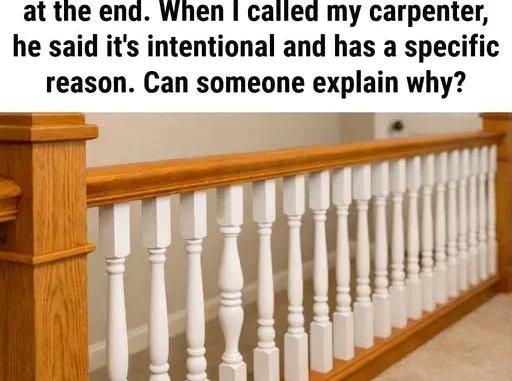
Understanding the Subtle Art of Staircase Balusters
Staircases have long been a focal point in architectural design, blending functionality with aesthetic appeal. Among their many components, balusters—the vertical posts supporting the handrail—play a crucial role. While their primary function is structural, balusters can also carry symbolic and historical significance, especially when they appear inverted or reversed.
What Are Inverted Balusters?
An inverted baluster refers to a spindle that is installed upside down compared to the standard orientation. Typically, balusters have a wider base and a narrower top, designed to align with the handrail and stair tread. When reversed, these proportions are flipped, creating a distinct visual effect that stands out upon closer inspection.
Folklore and Symbolism
Over time, inverted balusters have been the subject of various folk explanations. Some traditions suggest that these reversed spindles serve as intentional imperfections, embodying the idea that only a higher power can achieve true perfection. This concept resonates with craftsman philosophies that embrace subtle irregularities as a mark of human touch and humility.
Other interpretations propose that inverted balusters act as protective symbols, warding off bad luck or unwanted spiritual influences. These beliefs, while not universally documented, add a layer of cultural meaning to what might otherwise be overlooked as a simple construction detail.
Historical Context and Craftsmanship
In many older homes, particularly those built during the Arts and Crafts movement or in traditional styles, the presence of inverted balusters might reflect the builder’s personal style or a regional characteristic. However, it is important to recognize that not all reversed balusters are deliberate. Some may result from installation errors, repairs, or modifications made long after the original construction.
Determining the intent behind an inverted baluster often requires examining other elements of the staircase and the building as a whole. High-quality surrounding woodwork, consistent design elements, and historical records can help distinguish between intentional design and accidental placement.
The Role of Documentation
Photographs, architectural plans, and renovation records are invaluable resources for understanding the history of a staircase. They provide context that can clarify whether an inverted baluster was part of the original design or a later addition. When exploring historic homes, documenting these details preserves their story and informs future restoration efforts.
Preserving Architectural Character
Whether intentional or accidental, inverted balusters contribute to the unique character of a home. They serve as tangible reminders of the human element involved in construction and maintenance. Rather than viewing such features as flaws, many preservationists and homeowners embrace them as part of the building’s narrative.
Practical Considerations for Homeowners
If you discover an inverted baluster in your home, consider its historical and aesthetic value before making changes. Consulting with a restoration expert or architectural historian can provide insight into its significance. Maintaining original features supports the authenticity and charm of older homes, often enhancing their appeal and value.
Conclusion: Appreciating Small Details in Architecture
Inverted balusters offer a fascinating glimpse into the intersection of craftsmanship, tradition, and personal expression in architecture. Whether rooted in folklore or simple practicalities, they remind us that buildings are not just structures but stories shaped by people. Recognizing and preserving these subtle details enriches our connection to the past and the spaces we inhabit today.
Inverted Balusters in Architectural Heritage and Restoration
When it comes to architectural heritage, every detail matters. Inverted balusters, while seemingly minor, can play a significant role in understanding the craftsmanship and historical context of a building. Preservationists often encounter these features during restoration projects, where decisions must be made about whether to preserve, replicate, or replace them.
The presence of inverted balusters can indicate a builder’s unique approach or the adaptation of traditional techniques within a particular locale. In some cases, they provide clues about the era’s construction methods, the availability of materials, or the skill level of the craftsmen. Recognizing these factors helps restorers maintain the authenticity of historic structures and avoid erasing subtle narratives embedded in the architecture.
Balancing Authenticity and Modern Standards
One challenge faced during restoration is balancing the preservation of original architectural elements, such as inverted balusters, with modern safety and building codes. Staircases must meet current regulations to ensure user safety, which sometimes necessitates modifications.
Restorers and homeowners should work with professionals who understand both historic preservation and contemporary standards. When possible, maintaining original balusters—even if inverted—supports the building’s historic integrity. If replacement is necessary, replicating the original design, including any unique features, helps preserve the architectural story.
Inverted Balusters in Different Architectural Styles
While inverted balusters are often discussed in the context of traditional or Arts and Crafts-style homes, they can appear in various architectural styles worldwide. Each style may interpret or incorporate them differently:
Victorian Era: In some Victorian homes, intricate woodwork and spindle designs were common. Inverted balusters here might be more likely the result of decorative experimentation or repair.
Colonial and Early American: Early American builders often worked with limited resources and tools, which could lead to unintentional inverted installations. Alternatively, such details might have been incorporated as a cultural or superstitious element.
Contemporary Interpretations: Modern architects and designers sometimes intentionally use inverted or asymmetrical balusters as a stylistic choice to create visual interest or challenge traditional aesthetics.
Understanding these contexts enriches appreciation for how inverted balusters contribute to a building’s overall character.
The Psychological Appeal of Imperfection in Design
The concept of embracing imperfections in craftsmanship resonates beyond architecture. Inverted balusters can be seen as physical manifestations of the Japanese philosophy of wabi-sabi, which finds beauty in imperfection and transience.
This appreciation for subtle irregularities reminds occupants and visitors that buildings are living entities shaped by human hands, evolving over time. Such features can evoke a sense of warmth and authenticity, contrasting with the uniformity of mass-produced elements.
Encouraging Mindful Observation and Documentation
For homeowners, architects, and enthusiasts, cultivating an attentive eye toward architectural details like inverted balusters encourages deeper engagement with the built environment. Documenting these features through photographs, sketches, or written descriptions helps preserve their stories and aids future research or restoration.
When possible, sharing findings with local historical societies or preservation groups can contribute to broader knowledge and appreciation of regional building traditions.
The Role of Carpentry and Craftsmanship Education
Understanding the reasons behind inverted balusters also highlights the importance of carpentry and craftsmanship education. Skilled artisans are trained to recognize design nuances, historical styles, and construction techniques.
Educational programs that include historic preservation and traditional woodworking help sustain the knowledge required to maintain and restore architectural features authentically. Encouraging interest in these fields supports the continued care of heritage buildings and fosters respect for the craftsmanship they embody.
Lessons for Contemporary Building Practices
Contemporary builders and designers can draw valuable lessons from the stories of inverted balusters. These features remind professionals that imperfections can carry meaning and character, not just defects.
Incorporating deliberate irregularities or unique design elements can create spaces that feel personal and connected to human experience. Moreover, understanding historical construction challenges encourages innovation in problem-solving while respecting tradition.
Conclusion: Valuing the Layers of Architectural History
Inverted balusters serve as small but meaningful windows into a building’s past, reflecting choices, circumstances, and cultural beliefs. Appreciating these details enriches our understanding of architecture as a living art form shaped by people, time, and place.
By preserving and studying features like inverted balusters, we honor the craftsmanship and stories embedded in our homes and public spaces. This mindful approach ensures that architecture continues to resonate with authenticity and humanity for generations to come.
Inverted Balusters and Their Role in Cultural Narratives
Beyond their architectural and aesthetic implications, inverted balusters also occupy a place within broader cultural narratives about craftsmanship, tradition, and human fallibility. These narratives often emphasize the value of imperfection as a reflection of real life, contrasting with the pursuit of flawless design. This cultural perspective invites a more nuanced understanding of architectural details, encouraging appreciation rather than judgment.
In many cultures, imperfections in craftsmanship are seen as a testament to authenticity and individuality. The presence of an inverted baluster can thus act as a tangible link to the people who built and lived in a home, symbolizing their presence and personality. This humanizing aspect is particularly meaningful in historical preservation, where the goal is not only to conserve physical materials but also to maintain the intangible heritage associated with a building.
The Intersection of Tradition and Modern Technology
With advances in digital modeling, 3D scanning, and computer-aided design, the restoration and replication of architectural features like inverted balusters have become more precise. These technologies allow preservationists to capture intricate details and reproduce them accurately, ensuring that restoration efforts honor the original craftsmanship.
However, the use of modern technology also raises questions about authenticity and the balance between original materials and contemporary methods. While digital tools facilitate preservation, they should complement rather than replace traditional skills and knowledge. The collaboration between skilled artisans and technologists is essential to preserving the character and integrity of historic architectural elements.
Inverted Balusters in Public and Commercial Architecture
Although most commonly discussed in the context of residential buildings, inverted balusters can also be found in public and commercial architecture. Historic theaters, government buildings, and libraries may feature staircases with these distinctive details, reflecting the design trends and craftsmanship standards of their time.
In such settings, inverted balusters can contribute to the overall ambiance and historical narrative of the space. Their preservation is often part of larger efforts to maintain cultural landmarks, which serve educational and community functions. Recognizing and preserving these features in public buildings underscores their importance beyond private residences and highlights their role in shared heritage.
The Psychological Impact of Architectural Details on Occupants
Architectural details, including inverted balusters, can influence how people experience and relate to their environment. Subtle irregularities may foster a sense of warmth, comfort, and authenticity, making spaces feel more inviting and lived-in.
This psychological impact aligns with environmental psychology research, which suggests that human-made environments with visible signs of human touch and imperfection can promote well-being. In contrast, overly sterile or uniform spaces may feel impersonal or cold. Inverted balusters, as small but noticeable deviations from symmetry, contribute to this sense of human presence and connection.
Educational Opportunities Through Architectural Details
Inverted balusters offer rich educational opportunities for students, enthusiasts, and professionals interested in architecture, history, and craftsmanship. Examining these features can serve as a gateway to learning about historical building techniques, regional styles, and the cultural significance of architectural elements.
Workshops, guided tours, and hands-on restoration projects often incorporate the study of such details to deepen understanding and appreciation. Encouraging curiosity about seemingly minor features fosters a more comprehensive and engaged approach to architectural heritage.
Community Engagement and Local History
Local communities can benefit from recognizing and celebrating architectural details like inverted balusters as part of their shared heritage. Neighborhood walking tours, heritage festivals, and educational programs can highlight these features to promote awareness and pride in local history.
Community-driven documentation efforts, such as photo archives or oral histories, can capture stories related to buildings with inverted balusters. This participatory approach not only preserves architectural knowledge but also strengthens community bonds and supports heritage tourism.
Challenges in Conservation Funding and Prioritization
Preserving subtle architectural features like inverted balusters often competes with broader conservation needs and limited funding. Decision-makers must balance the importance of maintaining these details with practical concerns such as structural repairs, accessibility improvements, and safety upgrades.
Advocating for the inclusion of minor but meaningful elements in conservation plans requires effective communication about their cultural and historical value. Grant programs and heritage organizations increasingly recognize the significance of such features, offering targeted support for their preservation.
The Role of Homeowners in Stewardship
Homeowners play a crucial role in the stewardship of architectural details like inverted balusters. By valuing and maintaining these features, they contribute to the ongoing preservation of cultural heritage.
Practical steps include regular maintenance, avoiding unnecessary replacements, and consulting experts before undertaking renovations. Homeowners can also share their knowledge and experiences with neighbors and local heritage groups, fostering a culture of care and appreciation.
Inverted Balusters as Inspiration for Contemporary Design
Contemporary architects and designers sometimes draw inspiration from historic details such as inverted balusters to create innovative and meaningful spaces. By reinterpreting these elements, they establish a dialogue between past and present, blending tradition with modernity.
Such design choices can add character and distinctiveness to new constructions, connecting them to architectural history while meeting contemporary needs. This approach exemplifies how historical features continue to influence and enrich the built environment.
Future Research Directions
Further research into inverted balusters could explore their geographic distribution, variations in design and construction, and associations with specific building traditions. Comparative studies across regions and periods may reveal patterns that enhance understanding of their origins and meanings.
Interdisciplinary research involving architecture, anthropology, folklore studies, and material culture could deepen insights into the social and cultural contexts of these features. Additionally, documenting oral histories and builder narratives may uncover personal stories behind specific inverted balusters.
Reader Takeaways
Recognizing inverted balusters encourages a more attentive and appreciative approach to architectural details. These features remind us that buildings are not static artifacts but dynamic reflections of human creativity, choices, and circumstances.
By valuing imperfections and subtle design quirks, we enrich our connection to the past and foster a sense of stewardship for the environments we inhabit. Whether as symbols, practical realities, or aesthetic statements, inverted balusters embody the layered complexity of architectural heritage.