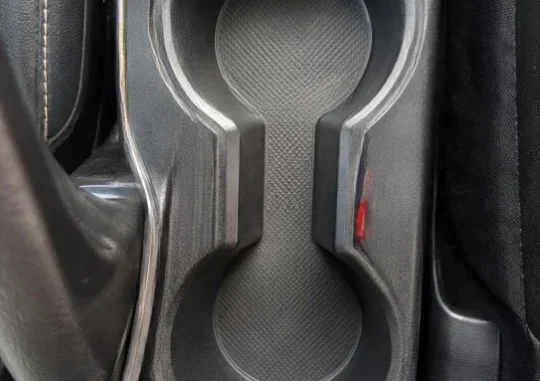
Car interiors are designed with numerous subtle features aimed at improving comfort and convenience during everyday use. One such detail that often goes unnoticed is the small gap between the cup holders in many vehicles. While it may seem like a simple or odd design choice, this space actually plays a role in making your driving experience more practical and user-friendly.
The primary function of the gap between cup holders is to provide extra room that makes it easier to grip and remove beverages. When two cups or bottles sit tightly next to each other, it can be difficult to lift one without disturbing the other. This is especially true for larger or awkwardly shaped containers, such as travel mugs or bottles with handles. The gap gives your fingers enough clearance to comfortably grasp a drink without accidentally knocking over the adjacent one.
Besides aiding in ease of access, the gap also helps accommodate a variety of drink container sizes and shapes. Modern consumers use a wide range of beverage vessels—from slim water bottles to oversized tumblers and insulated mugs. Automotive designers face the challenge of fitting these diverse containers into limited console space. The gap works as part of a flexible design solution, allowing different cups to fit side-by-side without excessive crowding or instability.
Cup holders have evolved significantly over the years to meet changing consumer habits. Older vehicles typically featured simple circular holders sized for standard beverage containers. Contemporary designs often include irregular outlines, adjustable grips, rubber inserts, and strategically placed gaps to better secure various drink types. These enhancements aim to reduce spillage and prevent cups from wobbling when the vehicle is in motion, such as during turns or sudden stops.
While the gap itself is not always a stabilizing feature, it often complements other elements like molded dividers and flexible tabs to keep drinks steady. In addition to its main purpose, drivers have found creative ways to use this narrow space. Some use it for temporarily holding small items like coins, receipts, or charging cables. However, it’s important to ensure that placing objects there does not interfere with essential controls like the gear shift or emergency brake, and that it does not distract from safe driving.
This small design detail is just one example of many thoughtful features incorporated into car interiors to enhance driver comfort and convenience. Other often-overlooked elements include the fuel-pump arrow on the gauge cluster, which indicates the side of the vehicle where the fuel filler is located; shopping bag hooks in the trunk to prevent spills; under-seat storage compartments for organizing belongings; and windshield defrost vents that improve visibility in cold or humid conditions.
It’s worth noting that the exact purpose and design of the cup holder gap can vary between vehicle makes and models. Some gaps may primarily serve as finger clearance, while others are part of more complex divider systems or structural design choices. Consulting the vehicle’s owner manual or closely examining the console’s layout can provide additional insight into the intended function of this feature.
In summary, the gap between your car’s cup holders is more than just empty space. It contributes to the overall practicality of the interior by facilitating easier access to drinks, accommodating different container sizes, and supporting secure placement. Recognizing these subtle design choices can help you appreciate the thoughtfulness involved in automotive interiors and enhance your interaction with your vehicle’s features.
Next time you place your coffee or water bottle in the cup holders, take a moment to notice that small gap. Its presence reflects a careful balance of form and function designed to make your driving experience smoother and more comfortable.
The Role of Material Choices in Cup Holder Design
Material selection is an integral part of designing effective car cup holders and their accompanying features, including the gap between holders. Automakers often use a combination of plastics, rubber inserts, and sometimes even soft-touch materials to enhance grip and durability. Rubberized liners, for example, help to cushion the base of cups and reduce slippage, which is particularly useful when driving on uneven roads or during sudden maneuvers. The gap between cup holders can also be lined or reinforced with softer materials to prevent rattling noises and minimize wear on containers placed within the holders.
In addition, materials must withstand exposure to spills, varying temperatures, and regular cleaning. Some manufacturers use antimicrobial coatings or easy-to-clean surfaces around the cup holders, recognizing that beverages like coffee and soda can create sticky residues. The gap area, due to its narrowness, can sometimes be more challenging to clean, so material choices that resist dirt buildup are especially valuable for maintaining interior hygiene and appearance.
Innovations in Adjustable Cup Holder Features
To further address the diversity of drink containers, many modern vehicles incorporate adjustable or modular cup holder designs. These systems may include sliding dividers, collapsible walls, or removable inserts that allow the gap between holders to be altered or customized. This flexibility helps drivers tailor the space to fit larger cups or multiple smaller containers simultaneously.
Some vehicles even feature cup holders that can be expanded or contracted electronically or mechanically, responding to the driver’s needs or the size of the container. These advanced designs often incorporate sensors to detect cup size and adjust grip pressure accordingly, enhancing stability without damaging delicate bottles or mugs.
While these innovations add complexity and cost, they demonstrate the automotive industry’s commitment to improving everyday usability and comfort. The gap space plays a key role in these designs by providing the necessary clearance for moving parts or adjustable components.
Ergonomic Considerations in Console Layout
Ergonomics—the science of designing for human use—is a critical factor in the placement and design of cup holders and their gaps. Designers must consider how easily drivers and passengers can reach their drinks without distraction or discomfort. The gap helps by preventing the holders from being so close together that they become difficult to use, especially when considering the natural range of motion of the hand.
Proper spacing also reduces strain and awkward hand positions, which can be important for drivers who frequently handle beverages during long trips or commutes. By allowing for smoother, more intuitive actions, the gap contributes to safer driving by minimizing the time drivers spend fumbling with their drinks.
Environmental and Sustainability Perspectives
As the automotive industry increasingly focuses on sustainability, interior materials and design features, including cup holders, are evolving to reflect these values. Some manufacturers are incorporating recycled plastics or bio-based materials into the console and cup holder components. The gap, though small, is part of this ecosystem and must be designed with these materials in mind to ensure durability and function.
Moreover, the rise of reusable beverage containers, such as stainless steel and glass water bottles, influences cup holder design and the associated gaps. These containers often have different shapes and weights compared to disposable cups, and the gap must accommodate these modern usage patterns. Encouraging the use of reusable containers through thoughtful interior design can contribute to reducing waste and promoting sustainability.
Safety and Regulatory Considerations
Though it may seem minor, the design of cup holders and their gaps can be influenced by safety regulations and standards. For example, cup holders must not interfere with airbag deployment zones, control access, or emergency equipment. The gap can provide necessary clearance to keep these areas unobstructed.
Additionally, automotive safety guidelines emphasize minimizing driver distraction. Features that simplify drink handling, like the gap between cup holders, indirectly support this goal by enabling quicker and more secure access to beverages. Manufacturers must balance convenience with safety, ensuring that the cup holder design does not encourage unsafe behavior.
Cultural and Regional Variations
Cup holder designs, including the size and presence of gaps, can differ significantly based on the target market or region. In countries where larger beverage containers are more common, such as oversized coffee cups or large soda bottles, manufacturers may design wider gaps or flexible holders to accommodate these preferences.
Conversely, in regions where smaller drink containers are the norm, cup holder spacing may be more compact, and the gap might serve primarily as finger clearance rather than accommodating large containers. Understanding these cultural preferences helps automakers tailor their designs to meet customer expectations and enhance satisfaction.
The Gap’s Influence on Interior Aesthetics
Beyond function, the gap between cup holders also contributes to the visual and tactile experience of the car interior. Designers often aim for a balance between usability and aesthetics, ensuring that the console looks cohesive and inviting.
A well-designed gap can break up the monotony of a large plastic surface and add visual interest through contrasting materials, colors, or lighting. Some premium vehicles incorporate ambient lighting into the cup holder area, including the gap, to create a refined atmosphere that enhances the driving experience, especially at night.
Understanding your car’s cup holder gap in this context highlights how even small details contribute to the overall feel of the vehicle.
Maintenance Tips for the Cup Holder Gap
Because the gap between cup holders is a narrow space, it can accumulate dust, crumbs, and spilled liquids over time, making cleaning a challenge. Regular maintenance helps keep this area hygienic and prevents unpleasant odors or sticky residues.
Using a small brush, compressed air, or a microfiber cloth can effectively clean the gap without damaging surrounding materials. For stubborn spills, mild cleaning solutions designed for automotive interiors are recommended. Avoid harsh chemicals that might degrade plastics or rubber inserts.
Being mindful of what you place near or within the gap can also reduce mess. Using spill-proof containers and wiping up spills promptly helps maintain the integrity and appearance of the cup holder assembly.
Future Trends in Beverage Storage Solutions
Looking ahead, automotive manufacturers are exploring new ways to integrate beverage storage into vehicle interiors beyond traditional cup holders. Concepts include temperature-controlled holders that can keep drinks hot or cold, wireless charging pads integrated with cup holders, and modular storage systems that adapt to various passenger needs.
The gap between cup holders may evolve as part of these innovations, perhaps serving as a conduit for wiring, ventilation, or adjustable components. As cars become more connected and personalized, the design of even small features like this gap will likely become more dynamic and multifunctional.
Understanding these trends can help consumers appreciate how automotive interiors continue to adapt to lifestyle changes and technological advancements.
Reader Takeaway
The small gap between your car’s cup holders is a subtle yet thoughtfully engineered feature that enhances convenience, safety, and comfort. Its role extends beyond mere spacing to accommodate diverse container sizes, support ergonomic use, and contribute to the overall design harmony of the vehicle’s interior.
By paying attention to such details, drivers can better understand the complexities of automotive design and the continuous efforts to improve everyday experiences behind the wheel. Whether through material choices, adjustable mechanisms, or aesthetic considerations, the cup holder gap exemplifies how even minor elements play a vital role in making your car more user-friendly.
Impact of Technology Integration on Cup Holder Design
As vehicles become more technologically advanced, the integration of smart features influences the design of interior components, including cup holders and their gaps. Some manufacturers are incorporating sensors within cup holders to detect the presence and size of containers, enabling features such as automatic climate control for beverages. This technology may require additional space or structural considerations around the gap area to accommodate wiring or sensors without compromising usability.
Moreover, with the rise of infotainment systems and connectivity, wireless charging pads are sometimes integrated near or within the cup holder console. This integration necessitates careful design to prevent interference and ensure safety, potentially affecting the size and shape of the cup holder gap. As these technologies evolve, the gap between cup holders could serve multifunctional roles beyond traditional beverage storage.
Historical Development of Cup Holder Spaces
The evolution of cup holders in vehicles reflects broader changes in consumer behavior and automotive design priorities. Initially, cup holders were rare or rudimentary features, often added as aftermarket accessories. Over time, as on-the-go beverage consumption became commonplace, automakers began incorporating dedicated cup holders into their designs.
The inclusion of gaps and dividers between holders emerged as a response to the need for accommodating a greater variety of container shapes and improving ease of use. Studying these historical design trends offers insight into how user feedback and lifestyle changes drive incremental improvements in vehicle interiors.
Considerations for Accessibility and Inclusivity
Designing cup holders and their gaps also involves considering accessibility for all users, including those with limited hand strength or dexterity. Features such as wider gaps, textured grips, and adjustable components can make it easier for individuals with disabilities or mobility challenges to handle drinks independently.
Automotive designers increasingly focus on universal design principles to ensure vehicle interiors are usable by a diverse population. The cup holder gap, while small, plays a role in creating an inclusive environment by facilitating easier access and reducing the effort needed to place or retrieve containers.
Environmental Impact of Beverage Container Trends
The shift towards reusable and eco-friendly beverage containers has implications for cup holder design and the associated gaps. Stainless steel bottles, insulated mugs, and collapsible cups vary widely in dimensions and weight compared to disposable cups.
Automakers must anticipate these variations to maintain secure and functional cup holder arrangements. The gap between holders can provide necessary clearance for bulkier or irregularly shaped containers, supporting sustainable consumer choices by encouraging the use of refillable vessels.
Consumer Awareness and Usage Tips
Understanding the purpose of the gap between cup holders can help drivers use their vehicle interiors more effectively. For example, placing cups with handles in a way that aligns with the gap can make removal easier and reduce spills.
Drivers are also advised to keep the gap clear of debris and avoid overloading it with items that could interfere with vehicle controls. Practicing mindful use helps maintain the function and cleanliness of this feature, contributing to a safer and more pleasant driving experience.
In conclusion, the gap between your car’s cup holders is a small but significant design element influenced by technological, ergonomic, environmental, and social factors. Recognizing its multifaceted role enriches appreciation of automotive interior design and encourages thoughtful interaction with everyday vehicle features.