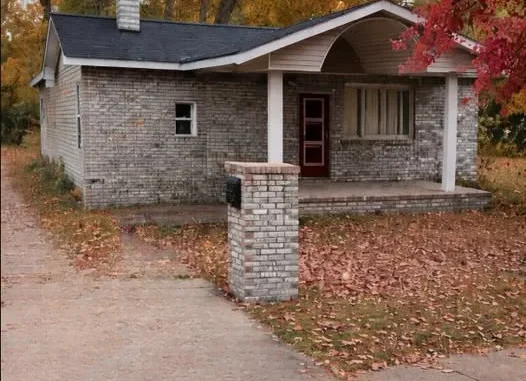
Navigating the housing market can be a complex endeavor, especially for buyers seeking affordable options that fit within a limited budget. While newly renovated properties often attract attention for their move-in readiness, many buyers are increasingly exploring homes that, despite lacking recent upgrades, present significant potential for customization and long-term value. This guide provides an in-depth look at what prospective homeowners should consider when evaluating properties that may require renovation or improvement.
Understanding the Appeal of Homes with Renovation Potential
Affordable homes that need work can offer flexibility and opportunities for personalization that newer properties may not. These homes often come with a lower purchase price, which can be appealing for buyers aiming to enter the market without exceeding their financial limits. Furthermore, the ability to phase renovations allows homeowners to spread out costs and tailor improvements to their preferences and lifestyle over time.
However, the decision to invest in a home requiring repairs or updates involves more than just the initial price. It is important to balance the potential savings with the realities of renovation work, ongoing maintenance, and the overall condition of the property.
Key Factors to Assess Before Purchasing
Location remains a critical factor in any home purchase. Proximity to employment centers, schools, healthcare facilities, public transit, and essential services contributes to daily convenience and influences long-term property value. A well-located home with cosmetic issues may be a better investment than a perfectly updated home in a less accessible area.
Next, the structural integrity and core systems of the property should be carefully evaluated. This includes the foundation, roofing, plumbing, electrical wiring, windows, and insulation. These elements typically require more significant investment to repair or replace and can impact safety and comfort.
Engaging a qualified home inspector to conduct a thorough assessment is advisable. Their expertise can uncover hidden issues and provide a clearer picture of necessary repairs.
Budgeting for Total Costs
Beyond the purchase price, homeowners must consider additional costs such as property taxes, insurance, utility expenses, and routine maintenance. Renovation expenses can vary widely depending on the scope of work and the property’s condition.
Prospective buyers should obtain detailed estimates for required repairs and improvements. It is prudent to include a contingency fund for unforeseen expenses, as renovation projects often reveal additional challenges once underway.
Prioritizing Renovations for Practical Benefits
Not all improvements need to be addressed immediately. Prioritizing repairs that affect safety and habitability is essential, followed by enhancements that improve daily living comfort and energy efficiency.
Simple updates such as fresh paint, new lighting fixtures, or upgrading hardware can refresh the interior aesthetically without major costs. In many cases, maintaining the existing layout can reduce expenses, especially in areas like the kitchen, where plumbing and electrical changes are complex.
Energy efficiency upgrades, including sealing drafts, improving insulation, and servicing heating systems, can lead to long-term savings and increased comfort.
Maximizing Space and Planning for Future Changes
An affordable home with additional or adaptable space offers the flexibility to accommodate evolving household needs. Converting basements, attics, or garages into usable living areas can add value, but such projects often require careful planning, permits, and adherence to local regulations.
Buyers should assess the feasibility of these conversions and consider the time and financial investment involved.
Anticipating how household requirements may change over time—such as growing families, remote work setups, or accessibility needs—can guide the selection of a property that remains suitable in the long term.
Recognizing Potential Risks and Challenges
Purchasing a property that needs work carries inherent risks. Structural problems, outdated systems, and legal complications such as unclear titles or zoning restrictions can complicate ownership and renovation efforts.
Due diligence through thorough inspections, legal reviews, and consultation with professionals is imperative to mitigate these risks.
Additionally, managing renovation projects demands time, organization, and sometimes technical knowledge. Buyers should realistically consider their capacity to oversee or contract such work.
Comparing Alternatives and Making Informed Decisions
Evaluating affordable homes requires comparing them not only against move-in-ready options but also considering smaller or differently located properties that may better align with financial and lifestyle goals.
Understanding that renovations do not always translate directly into increased resale value is important. Improvements should primarily enhance the homeowner’s quality of life.
A structured approach involves setting a comprehensive budget, prioritizing critical repairs, verifying legal and regulatory compliance, and factoring in personal capacity to manage renovation projects.
Conclusion: Balancing Potential with Practicality
Affordable homes with room for improvement offer a viable path to homeownership for many buyers. Success in such purchases hinges on a clear understanding of the property’s condition, realistic budgeting, and thoughtful planning.
By focusing on essential factors like location, structural soundness, and adaptability, buyers can find properties that not only meet current needs but also provide a foundation for future growth and comfort.
Ultimately, a well-informed approach enables buyers to transform a modest property into a home that reflects their tastes and supports their evolving lifestyle.
Navigating Financing Options for Homes That Need Renovation
Securing financing for a property that requires renovation can be more complex than obtaining a traditional mortgage for a move-in-ready home. Buyers should explore various loan products tailored to renovation projects, such as renovation mortgages or home improvement loans, which may offer flexible terms and incorporate repair costs into the loan amount.
For example, some government-backed loans allow borrowers to finance both the purchase price and the estimated renovation expenses, provided the work meets specific standards and timelines. Conventional lenders may also offer renovation loans, but qualification criteria and down payment requirements can vary.
It is crucial for buyers to consult with lenders early in the process to determine eligibility and understand documentation requirements. This consultation can also clarify whether the planned renovations align with loan conditions and if disbursements will be made in stages as work progresses.
Understanding Local Market Trends and Future Property Value
When considering a home with renovation potential, analyzing local real estate market trends can provide valuable insights into future property values and neighborhood development. Factors such as planned infrastructure projects, zoning changes, and community investment initiatives may influence the desirability and appreciation potential of a property.
Buyers should research recent sales data for comparable homes, paying close attention to properties that have undergone similar renovations. This information can help estimate the return on investment for planned improvements and guide decisions about which upgrades are likely to add the most value.
However, markets can be unpredictable, and external influences such as economic conditions or policy changes may affect property values. Therefore, buyers should approach projections cautiously and prioritize improvements that enhance livability rather than solely focusing on potential resale value.
The Role of Professional Guidance Throughout the Renovation Process
Engaging professionals at various stages can significantly improve the renovation experience and outcomes. Home inspectors, contractors, architects, and real estate agents with renovation expertise can offer specialized knowledge that helps avoid costly mistakes.
For instance, a qualified inspector can identify hidden issues before purchase, while an experienced contractor can provide realistic timelines and cost estimates. Architects or designers may assist in optimizing layouts or ensuring compliance with building codes.
Clear communication and written agreements with professionals help set expectations and protect buyers from misunderstandings. Additionally, verifying licenses, credentials, and references contributes to selecting trustworthy service providers.
Environmental and Health Considerations in Older Homes
Older properties may present environmental or health-related challenges that require attention. Common concerns include the presence of lead-based paint, asbestos in insulation or flooring materials, and mold resulting from moisture intrusion.
Addressing these issues often involves specialized remediation, which can be costly and must comply with safety regulations. Buyers should inquire about the property’s history and request disclosures about known hazards.
Professional testing and abatement services are advisable when potential risks are identified. Taking proactive steps to manage environmental hazards protects occupants’ health and ensures the home meets current safety standards.
Time Management and Lifestyle Impact of Renovation Projects
Renovations, especially those involving significant work, can impact daily life and routines. Buyers should realistically assess how managing or living through construction activities aligns with their personal and work commitments.
Temporary disruptions such as noise, dust, limited access to certain areas, and altered utility services are common. Planning for these changes and establishing a timeline with contractors can help minimize inconvenience.
Some homeowners choose to live elsewhere during extensive renovations, which involves additional expenses and logistical considerations. Others prefer phased projects that allow continued occupancy but require careful coordination.
Understanding these lifestyle implications supports informed decision-making and helps set achievable expectations.
Leveraging Community Resources and Support Networks
Local community organizations, housing agencies, and non-profit groups may offer resources for buyers undertaking home renovations. These can include educational workshops, financial assistance programs, and referrals to qualified contractors.
Exploring such support can provide valuable guidance, especially for first-time buyers or those unfamiliar with renovation processes. Additionally, connecting with neighbors and local forums can foster a sense of community and facilitate sharing of experiences and recommendations.
Being proactive in seeking assistance contributes to smoother project execution and enhances overall satisfaction with the homeownership journey.
Maintaining Flexibility and Adaptability During the Renovation Journey
Renovation projects often involve unforeseen challenges, such as discovering hidden damage or delays in material delivery. Maintaining a flexible mindset and preparedness to adjust plans is essential.
Contingency budgets, alternative design options, and open communication with contractors help navigate unexpected developments. Buyers should also be prepared for the possibility of extended timelines and evolving project scopes.
Embracing adaptability reduces stress and supports constructive problem-solving, ultimately contributing to successful completion and enjoyment of the renovated home.
Summary Takeaways for Prospective Buyers
- Investigate financing options early and choose products that accommodate renovation needs.
- Research local market trends to inform renovation priorities and expectations.
- Engage qualified professionals for inspections, planning, and construction oversight.
- Address environmental and health hazards proactively to ensure safety.
- Consider lifestyle impacts and plan accordingly for renovation disruptions.
- Utilize community resources and support networks for guidance and assistance.
- Maintain flexibility to manage unforeseen challenges during renovations.
By incorporating these considerations into their planning, buyers can enhance their confidence and capability to transform an affordable home with potential into a comfortable, personalized residence that meets both current and future needs.
Navigating Insurance Considerations for Renovation Properties
Home insurance policies for properties that require renovation can differ significantly from those for move-in-ready homes. Prospective buyers should discuss their plans with insurance providers early in the purchase process to understand coverage options and requirements. Some insurers may impose restrictions or higher premiums for homes with known risks or incomplete systems. Additionally, specialized insurance policies may be necessary during active renovation phases to cover potential damages or liabilities.
Understanding these factors helps buyers avoid unexpected insurance costs and ensures adequate protection throughout ownership and improvement projects.
Evaluating Resale Prospects Post-Renovation
While many buyers renovate primarily for personal comfort and lifestyle enhancement, considering the potential resale value remains a practical aspect of homeownership. Evaluating how different types of improvements influence market appeal can inform renovation priorities. For example, kitchen and bathroom upgrades often provide higher return on investment, whereas highly customized features may appeal to narrower buyer segments.
It is beneficial to consult local real estate professionals who understand neighborhood preferences and market trends. This insight can guide decisions that balance personal enjoyment with future financial considerations.
Sustainable Renovation Practices
Incorporating sustainability into renovation plans can contribute to environmental responsibility and long-term cost savings. Selecting energy-efficient appliances, using sustainable building materials, and implementing water-saving fixtures are examples of eco-friendly improvements. Additionally, improving natural light and ventilation can reduce reliance on artificial heating, cooling, and lighting.
Buyers should research available incentives, rebates, or tax credits for green home improvements in their area. These programs can offset upfront expenses and encourage sustainable choices.
Legal and Zoning Compliance Beyond Permits
Beyond securing necessary building permits, buyers should be aware of local zoning laws and homeowners’ association (HOA) rules that may affect renovation possibilities. Restrictions on building height, exterior appearance, property usage, and setback requirements can influence the scope of improvements.
Understanding these regulations early prevents costly modifications and ensures projects align with community standards. Consulting local planning departments or legal professionals can provide clarity on applicable rules.
Managing Contractor Relationships Effectively
Selecting and working with contractors is a critical component of successful renovations. Buyers should obtain multiple bids, verify licenses and insurance, and check references before hiring. Clear communication regarding project scope, timelines, payment schedules, and contingencies helps establish mutual expectations.
Written contracts safeguard both parties and provide a framework for resolving disputes. Regular progress reviews and prompt addressing of concerns contribute to smoother project execution.
Preparing for Long-Term Maintenance
Even after renovations are completed, maintaining the property is essential to preserve value and comfort. Buyers should plan for routine inspections, seasonal upkeep, and timely repairs to prevent minor issues from escalating.
Creating a maintenance schedule and budgeting for ongoing expenses supports sustainable homeownership. Educating oneself about the care requirements of new installations or materials used during renovation ensures their longevity.
Cultivating Patience and Realistic Expectations
Renovating an affordable home is often a rewarding but gradual process. Prospective buyers should approach the journey with patience and an understanding that challenges and delays are common. Setting realistic goals, celebrating incremental progress, and seeking support when needed can enhance the overall experience.
Embracing the opportunity to personalize and improve a home over time allows owners to build a residence that truly reflects their needs and aspirations.
By considering these additional aspects, buyers can further prepare for the complexities and rewards of purchasing and renovating an affordable home with potential.