Keeping a bathroom fresh and clean doesn’t always require expensive products or complicated cleaning routines. Sometimes, an ordinary household ingredient can be useful for handling minor cleaning problems.
Baking soda, scientifically known as sodium bicarbonate, is a familiar white powder commonly used in cooking, deodorizing, and household cleaning. Its affordability and versatility have made it a popular choice among homeowners searching for simple alternatives to specialized cleaning products.
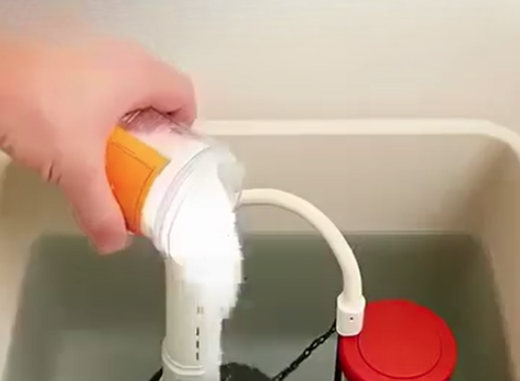
One household tip that has attracted attention involves adding baking soda to the toilet tank approximately once a month.
Supporters of this method suggest that it may help reduce certain unpleasant odors and freshen the water inside the tank. However, understanding what baking soda can realistically accomplish is important before making it part of a regular bathroom maintenance routine.
Although it has useful cleaning properties, baking soda is not a substitute for proper toilet cleaning, disinfecting when necessary, or maintaining the toilet’s mechanical components.
Why the Toilet Tank Deserves Attention
When cleaning a toilet, most people concentrate on the visible surfaces.
The bowl receives regular scrubbing, the seat is wiped down, and the exterior is cleaned to remove dust, stains, and germs.
However, the tank behind the toilet is often forgotten.
This enclosed compartment plays an essential role in the flushing system. It stores water and contains several components that regulate how the toilet fills and empties.
These parts typically include the fill valve, flush valve, flapper, and overflow tube.
When everything operates correctly, the tank releases the appropriate amount of water during each flush and then refills automatically.
Over time, however, mineral deposits, sediment, and other residues may accumulate inside.
Homes with hard water can be particularly susceptible to mineral buildup because their water contains higher concentrations of dissolved calcium and magnesium.
These minerals may gradually form deposits on surfaces and plumbing components.
In some circumstances, excessive buildup can interfere with moving parts or contribute to maintenance problems.
The tank may also develop unpleasant smells if water remains stagnant for extended periods or if biological growth occurs.
These situations explain why occasional tank inspections can be a useful part of household maintenance.
Understanding How Baking Soda Works
Baking soda is a mildly alkaline substance that can react with and neutralize certain acidic compounds.
This property explains why it is frequently used to control some household odors.
Rather than simply covering smells with fragrance, baking soda may help neutralize particular odor-producing substances.
When mixed with water, it dissolves and slightly changes the water’s chemistry.
However, its effectiveness depends on the substances responsible for the odor and the conditions inside the tank.
Baking soda is not a disinfectant and should not be expected to eliminate harmful microorganisms.
It also does not reliably prevent the accumulation of calcium-based scale associated with hard water.
Although baking soda can serve as a gentle abrasive when used as a paste on suitable surfaces, dissolving it in tank water does not provide the same scrubbing action.
For these reasons, it is best viewed as an optional deodorizing aid rather than a complete toilet maintenance treatment.
Why Some People Prefer Baking Soda to Strong Cleaners
One reason baking soda remains popular is that it does not have the strong chemical smell associated with certain household cleaning products.
Many commercial bathroom cleaners contain ingredients designed to dissolve stains, remove mineral deposits, or disinfect surfaces.
These products can be effective when used correctly, but some require careful handling and adequate ventilation.
Baking soda offers a simpler option for limited cleaning tasks.
It is inexpensive, widely available, and generally easy to handle.
Another consideration involves the toilet’s internal components.
Some manufacturers warn against placing continuous-release cleaning tablets containing bleach or other aggressive chemicals inside toilet tanks.
Prolonged exposure to certain cleaning agents may damage rubber seals, gaskets, or other components.
Baking soda is comparatively mild, although homeowners should still follow the toilet manufacturer’s cleaning recommendations.
The absence of strong fragrance may also appeal