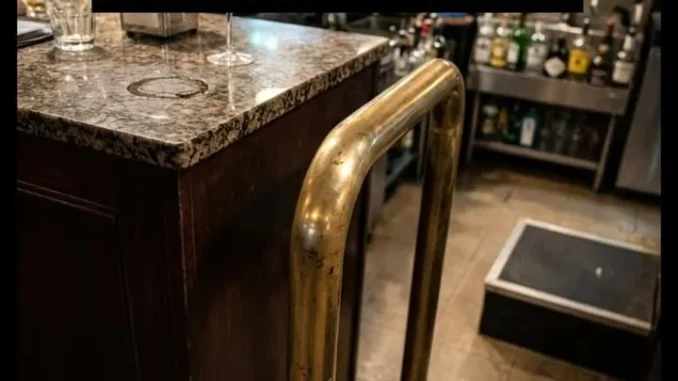
Bar railings, often overlooked by many patrons, play a crucial role in the layout and functionality of hospitality environments such as bars and restaurants. These metallic strips, typically installed along the front edge of the bar counter, serve several practical and aesthetic purposes that influence both staff efficiency and guest comfort.
At first glance, a bar railing might appear to be a simple decorative element, but it is carefully designed to establish a subtle boundary between customers and the service area. This boundary helps prevent guests from unintentionally stepping into the workspace where bartenders and servers operate. During peak hours, this separation is vital to maintain a smooth workflow, as it allows staff to move swiftly, handle glassware, and deliver orders without the risk of collisions or spills.
Traditionally, bar railings are made from brass, a choice that goes beyond mere durability. Brass has a warm, inviting appearance that complements the overall bar design, often matching other fixtures such as foot rails. This cohesive look contributes to the ambiance and style of the venue, reinforcing a classic or vintage aesthetic that many establishments aim to achieve. While brass is common, other metals or materials may be used depending on the design concept.
The placement of the bar railing also plays an important role in spatial organization. It marks the edge of the customer zone and protects important service points such as the "waitstaff station," where servers pick up drinks and food orders. This organization helps streamline communication and reduces congestion, improving the overall dining and drinking experience.
In addition to its functional benefits, the bar railing can enhance patron comfort. It often provides a place to rest elbows or lean slightly while enjoying a drink, adding to the physical ease of sitting at the bar. From a design perspective, the railing can also assist visually in delineating the bar area, guiding guests naturally where to stand or sit.
Understanding the subtle choreography behind bar design offers insight into how seemingly minor details contribute to successful hospitality operations. The interaction between guests and staff is facilitated by thoughtful design elements like the bar railing, demonstrating how environment influences behavior and service quality.
For those interested in hospitality management or interior design, paying attention to such features can inspire improvements in customer flow and staff efficiency. Whether refurbishing a bar or opening a new venue, selecting appropriate materials and positioning for bar railings is a practical consideration that blends safety, aesthetics, and functionality.
In summary, bar railings are more than decorative accents; they are integral to creating an organized, efficient, and welcoming atmosphere within bars and restaurants. Recognizing their purpose helps patrons appreciate the subtle design elements that contribute to their overall experience and helps professionals optimize their service environment.
Materials and Variations in Bar Railing Design
While brass remains a popular choice for bar railings due to its aesthetic appeal and durability, many establishments explore alternative materials to suit different design themes and functional needs. Stainless steel, for example, offers a sleek, modern look and is highly resistant to corrosion, making it ideal for contemporary bars or those located in humid environments. Wood railings, often crafted from hardwoods like oak or walnut, provide a warmer, more rustic feel and can be customized with various stains and finishes. Some venues incorporate padded or upholstered railings to enhance patron comfort, especially in upscale lounges where guests may spend extended periods at the bar.
Customization can extend to the shape and height of the railing as well. While the traditional bar rail is a slim horizontal strip, some designs include wider ledges or integrated drink holders. The height is carefully calibrated to provide ergonomic support without obstructing interaction between customers and staff. These design decisions are often informed by the specific needs of the venue’s clientele and the overall atmosphere the establishment wishes to create.
Ergonomics and User Experience
Beyond aesthetic considerations, the ergonomic function of bar railings plays a significant role in guest comfort. The railing serves as a physical support that allows patrons to rest their arms, reducing fatigue during prolonged standing or sitting. This small detail can influence how long customers choose to remain at the bar, potentially affecting sales and social interaction.
Ergonomic design also takes into account accessibility. Bars that comply with accessibility standards ensure that railings do not impede wheelchair users or those with mobility aids. The railing height and clearance beneath it are configured to accommodate a wide range of body types and abilities, promoting inclusivity.
Maintenance and Longevity
The choice of material for bar railings also impacts maintenance requirements and longevity. Brass railings require periodic polishing to maintain their characteristic shine and to prevent tarnishing. Stainless steel options are easier to clean and generally resist fingerprints and smudges better, reducing upkeep efforts.
Proper installation is critical to prevent loosening or damage over time, especially in high-traffic venues. Regular inspection ensures that the railing remains securely attached, preserving safety standards for both staff and patrons.
Cultural and Historical Significance
The bar railing is not only a functional component but also a cultural artifact that reflects the evolution of social drinking spaces. Historically, bars were often designed to encourage social interaction and community gathering. The railing demarcated personal space while fostering a sense of camaraderie among patrons seated side by side.
In some regions, the design and materials of bar railings can signal traditional craftsmanship or local heritage, adding unique character to the establishment. For example, vintage bars may feature ornate, hand-forged iron railings, while coastal venues might use weathered wood to evoke a maritime ambiance.
Environmental Considerations
Sustainability is an emerging concern in hospitality design, including choices surrounding bar railings. Venues committed to eco-friendly practices may select materials sourced from recycled metals or sustainably harvested wood. Additionally, finishes and treatments that are low in volatile organic compounds (VOCs) contribute to healthier indoor air quality.
Incorporating sustainable materials can align with the broader values of a business and appeal to environmentally conscious customers, enhancing the venue’s reputation.
Impact on Staff Workflow and Safety
From the perspective of bar staff, the railing supports efficient workflow by clearly delineating the service zone. This separation reduces the likelihood of accidents, such as bumping into customers or spilling drinks, which can disrupt service and create hazards.
The railing also helps to organize foot traffic, guiding patrons to appropriate standing or sitting areas. This organization is particularly important in venues with limited space or during busy periods, where smooth movement is essential to maintaining quality service.
Training staff to be aware of the physical boundaries created by the railing can improve coordination and reduce stress during peak hours.
Integration with Technology and Modern Bar Features
Contemporary bars sometimes incorporate technology into their railings or adjacent areas to enhance the customer experience. For instance, some venues install LED lighting along the rail to create ambiance or highlight branding elements.
Other innovations include embedded charging ports for mobile devices or touch-sensitive controls for ordering, which blend functionality with user convenience. These features require careful integration to preserve the railing’s primary purposes of boundary marking and patron comfort.
Future Trends in Bar Railing Design
As hospitality design continues to evolve, bar railings may adopt new forms and functions. Modular or adjustable railings that can be reconfigured for different events or crowd sizes are gaining interest. Materials that combine durability with tactile comfort, such as composites or advanced polymers, may become more prevalent.
Designers are also exploring ways to make railings more interactive, perhaps incorporating sensor technology to monitor crowd density or to provide real-time feedback to staff.
Conclusion
Bar railings are a multifaceted element of hospitality design, blending tradition, functionality, and style. Their role extends beyond mere decoration, influencing the efficiency of service, safety of staff and patrons, and the overall atmosphere of the venue. By understanding the diverse aspects of bar railing design—from material choice and ergonomics to cultural significance and technological integration—industry professionals can make informed decisions that enhance both operational effectiveness and guest satisfaction.
For patrons, recognizing these subtle design features adds depth to the experience of socializing in bars and restaurants, highlighting the thoughtful planning that underpins even the smallest details in these dynamic spaces.
Bar Railings and Customer Psychology
The presence of a bar railing not only serves practical functions but also subtly influences customer behavior and perception. Psychologically, physical boundaries such as railings can create a sense of personal space and security, which is particularly important in social environments like bars where strangers often share close quarters. By defining clear zones, the railing helps patrons feel more comfortable and less intrusive, which may encourage longer stays and more relaxed interactions.
Furthermore, the tactile experience of resting one’s arms on a rail can create a physical connection to the environment, enhancing the sensory engagement of the bar experience. This subtle touchpoint can contribute to a feeling of belonging and invitation, reinforcing the social nature of the venue.
Architectural Integration and Bar Railings
In addition to standalone functionality, bar railings are often integrated with broader architectural and interior design schemes. They can complement structural elements such as columns, lighting fixtures, and flooring patterns to create a cohesive design narrative. For instance, in Art Deco-inspired bars, railings might feature geometric patterns or polished chrome finishes that echo other design motifs.
The integration extends to spatial planning as well. Bar railings can help define zones within a larger venue, such as separating the bar area from dining spaces or lounge sections. This zoning aids in managing acoustics, lighting levels, and traffic flow, contributing to a more nuanced and tailored guest experience.
Bar Railings in Different Cultural Contexts
Globally, the design and use of bar railings can vary significantly depending on cultural norms and architectural traditions. In some European countries, for example, bars may feature lower or less pronounced railings, reflecting different social customs around personal space and interaction. In contrast, American bars often emphasize more robust railings that serve as both functional and social anchors.
Understanding these cultural differences can be valuable for international hospitality operators aiming to create authentic experiences or adapt designs to local expectations. It also highlights the importance of context-sensitive design that respects and reflects the cultural environment.
Educational and Training Implications
For professionals in hospitality management and bar operations, knowledge of bar railing design and function can be an important part of staff training. Awareness of how physical space influences workflow and guest interaction helps staff optimize their movements and service style.
Training programs might include modules on spatial awareness, emphasizing the importance of respecting boundaries established by railings and other design elements. This can reduce conflicts, improve safety, and enhance the overall efficiency of service. Additionally, maintenance staff benefit from understanding the materials and upkeep requirements of railings to preserve their appearance and function.
Economic Considerations in Bar Railing Selection
Choosing the right bar railing involves balancing upfront costs, maintenance expenses, and expected lifespan. While brass offers a timeless look, it can be more expensive and labor-intensive to maintain compared to alternatives like stainless steel or composite materials.
Budget-conscious venues might opt for cost-effective materials that still provide durability and aesthetic appeal. Conversely, high-end establishments may invest in custom or artisanal railings as a part of their brand identity, viewing the railing as a long-term asset that enhances customer perception.
Understanding these economic factors helps proprietors make informed decisions that align with their operational goals and brand positioning.
Safety Standards and Regulations
Bar railings must comply with local building codes and safety regulations to ensure they do not pose hazards to patrons or staff. This includes considerations such as appropriate height, secure installation, and avoidance of sharp edges or protrusions.
In some jurisdictions, regulations may dictate specific requirements for accessibility, ensuring that the railings do not obstruct pathways or violate clearance dimensions. Compliance with such standards is essential not only for legal reasons but also to create an inclusive and safe environment.
Regular safety audits and inspections help identify potential issues early, preventing accidents and liability concerns.
Sustainability and Future-Proofing
With increasing emphasis on sustainability in hospitality, bar railings are also subject to considerations around environmental impact and longevity. Selecting materials that are recyclable or sourced from sustainable suppliers supports broader corporate responsibility goals.
Moreover, designing railings with modularity and adaptability in mind can future-proof venues against changing trends or operational needs. For example, removable or adjustable railings allow spaces to be reconfigured for different events or seasons, maximizing utility and reducing waste.
Engaging with manufacturers who prioritize eco-friendly practices and innovative materials can provide competitive advantages in a market where consumers value sustainability.
Summary and Key Takeaways
Bar railings are multifaceted components within hospitality environments, influencing customer experience, staff workflow, safety, and aesthetic coherence. Beyond their physical presence, they contribute to psychological comfort, cultural expression, and operational efficiency.
Professionals engaged in bar design, management, or maintenance benefit from a comprehensive understanding of the diverse roles bar railings play. Thoughtful selection and integration of railings can enhance the atmosphere, support inclusivity, reduce accidents, and align with sustainability objectives.
For patrons, recognizing the intentional design behind railings can deepen appreciation for the subtle elements that shape social interaction and service quality in bars and restaurants. This awareness enriches the overall experience, revealing how thoughtful design contributes to both function and enjoyment.