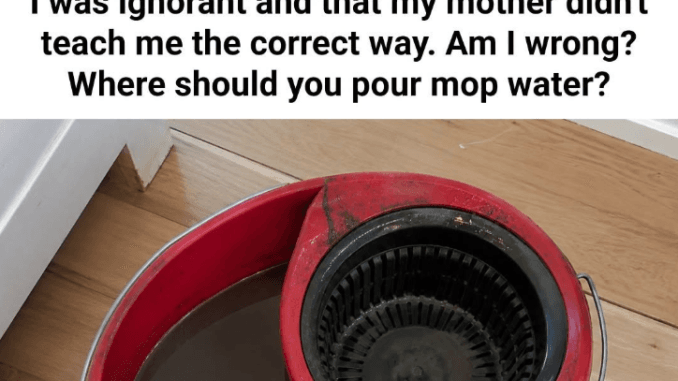
Maintaining a clean living or working environment often involves mopping floors regularly. However, many people overlook an important aspect of this routine: how to properly dispose of mop water. The water used for mopping is far from clean; it contains dirt, dust, hair, cleaning agents, and potentially bacteria. Disposing of this water incorrectly can lead to hygiene issues, plumbing problems, and environmental concerns. This article explores the safest and most practical methods to dispose of mop water, providing guidance on how to protect your home, plumbing, and the environment.
Understanding the Composition of Mop Water
Mop water is a mixture of various contaminants collected from the floor surface. It contains visible debris such as dust, hair, and dirt particles, as well as invisible elements like bacteria and cleaning chemicals. The presence of these contaminants means that mop water should not be treated as ordinary wastewater. Proper disposal is necessary to prevent the spread of germs and avoid damaging plumbing systems.
Why Proper Disposal Matters
Incorrect disposal of mop water can have several consequences. Pouring mop water into inappropriate drains or areas can lead to clogged pipes due to accumulated debris. Additionally, harsh cleaning chemicals can harm septic systems or contaminate stormwater, posing environmental risks. From a hygiene perspective, disposing of dirty water in places where people bathe or prepare food can increase the risk of cross-contamination.
Common Disposal Options and Their Considerations
- Toilet Drain
The toilet is designed to handle human waste, including solids, and is connected directly to sanitary sewer systems or septic tanks. This makes it an appropriate option for disposing of mop water, as it can carry away contaminants effectively. However, it is important to avoid flushing large debris or excessive amounts of cleaning chemicals to prevent plumbing issues.
- Utility or Laundry Sink
Utility sinks or laundry tubs are often the best places to dispose of mop water. They are designed to handle dirt, debris, and a variety of cleaning agents. Additionally, these sinks usually have larger drains that are less prone to clogging. Using a utility sink allows for a more controlled disposal process, including the ability to strain out larger particles before pouring.
- Bathtub or Shower Drain
Although bathtubs and showers have drains, they are generally not ideal for mop water disposal. These drains are smaller and can clog easily with dirt and hair. Since these areas are used for personal hygiene, disposing of dirty mop water here can lead to contamination and require thorough cleaning afterward to ensure safety.
- Kitchen Sink
Disposing of mop water in the kitchen sink is strongly discouraged. Kitchen sinks are used for food preparation and washing dishes, and introducing dirty water here can increase the risk of foodborne illnesses. Furthermore, kitchen plumbing is often more delicate and prone to clogs from debris.
- Outdoor Areas
Pouring mop water onto the yard or garden might seem convenient, but it carries risks. Cleaning chemicals in the water can harm plants, soil quality, and local water sources. It is important to avoid outdoor disposal unless the mop water is free of harmful substances and local regulations permit it.
Best Practices for Mop Water Disposal
- Remove Debris: Before disposing of mop water, strain out hair, grit, and other solids using a mesh strainer or similar tool to avoid drain clogs.
- Avoid Harsh Chemicals: Use cleaning agents that are biodegradable and septic-safe whenever possible to minimize environmental impact.
- Follow Local Guidelines: Some areas have regulations regarding wastewater disposal; always adhere to these to ensure compliance.
- Communicate in Shared Spaces: If you are cleaning in a shared or someone else’s home, ask for permission and clarify the preferred disposal method.
- Clean Up After Disposal: Wipe down and disinfect the area where mop water was disposed of to maintain hygiene.
Environmental Considerations
Disposing of mop water responsibly also involves considering its environmental impact. Chemicals in cleaning products can enter water systems and affect aquatic life. Choosing eco-friendly cleaning solutions and disposing of mop water into appropriate sanitary systems helps reduce this impact. Additionally, preventing debris from entering storm drains protects waterways from pollution.
Maintaining Plumbing Health
Regularly disposing of mop water in toilets or utility sinks helps prevent accumulation of solids that cause blockages. Avoid pouring mop water containing large particles or harsh chemicals directly into drains to extend the lifespan of your plumbing system. Routine maintenance and proper disposal habits contribute to a healthy home infrastructure.
Summary and Recommendations
When it comes to disposing of mop water, the guiding principle is to prioritize hygiene, protect plumbing, and minimize environmental harm. Using a utility sink is often the best option, followed by the toilet if a utility sink is not available. Bathtubs and showers should be avoided unless no other option exists, and kitchen sinks or outdoor areas are generally unsuitable for mop water disposal.
By adopting these practices, individuals can ensure their cleaning routines do not inadvertently create health risks or damage their homes and surroundings. Proper mop water disposal is a small but significant step toward maintaining a safe and sustainable living environment.
Advanced Techniques for Mop Water Treatment Before Disposal
In some settings, particularly in commercial or industrial environments, mop water may require treatment before disposal to comply with local regulations or to reduce environmental impact. Techniques such as sedimentation, filtration, and neutralization can be employed to improve the quality of mop water before it enters the sewage system.
Sedimentation involves allowing solids and heavier particles to settle at the bottom of a container, enabling clearer water to be poured off. This simple process can reduce the load on plumbing and wastewater treatment plants.
Filtration through fine mesh or specialized filters can further remove suspended solids, hair, and grit. This is especially useful in facilities that generate large volumes of mop water or where strict discharge standards apply.
Neutralization may be necessary if mop water contains chemicals with extreme pH levels. Adding neutralizing agents can balance pH to a safer range before disposal, minimizing potential damage to plumbing and the environment.
These methods, while more common in commercial contexts, highlight the importance of understanding mop water composition and adopting appropriate disposal practices for different scenarios.
Implications for Property Maintenance and Management
Proper mop water disposal plays a crucial role in property maintenance, especially in multi-unit residential buildings, offices, and public facilities. Facility managers should establish clear protocols for mop water disposal to protect plumbing infrastructure and ensure compliance with health and safety standards.
Training cleaning staff on the importance of using designated disposal points and on techniques to minimize debris in mop water can prevent costly plumbing repairs and reduce health risks associated with contaminated water.
Moreover, management can consider investing in mop water recycling systems or environmentally friendly cleaning technologies that reduce water use and wastewater generation, aligning with sustainability goals.
Legal and Regulatory Frameworks Surrounding Wastewater Disposal
Wastewater disposal, including mop water, is often subject to local, regional, and national regulations. These rules are designed to protect public health, water quality, and the environment.
For instance, many municipalities prohibit disposing of wastewater into storm drains, as these systems typically discharge directly into natural water bodies without treatment. Violations can result in fines or other penalties.
Some areas may require businesses to treat mop water before disposal or to use licensed waste disposal services. Homeowners should consult local guidelines to ensure compliance and to learn about acceptable disposal methods.
Understanding these regulations helps individuals and organizations avoid legal issues and contributes to broader efforts to safeguard water resources.
Technological Innovations in Cleaning and Wastewater Management
Emerging technologies offer promising solutions to the challenges of mop water disposal. Innovations such as waterless cleaning systems, biodegradable cleaning agents, and automated mop water filtration units are gaining traction.
Waterless or low-water cleaning methods reduce the volume of contaminated water generated, thereby minimizing disposal concerns. Biodegradable cleaning agents break down naturally, lessening environmental impact if residual chemicals enter wastewater.
Automated filtration and recycling systems can process mop water on-site, allowing for reuse in non-potable applications such as flushing toilets or irrigation, subject to regulatory approval.
While these technologies may require initial investment, they offer long-term benefits in sustainability and operational efficiency.
Health and Safety Considerations Beyond Disposal
Beyond the disposal of mop water, handling and storage of mop water during cleaning activities warrant attention. Dirty mop water can harbor pathogens and allergens, posing risks to cleaning personnel and building occupants.
Using appropriate personal protective equipment (PPE), such as gloves and masks, can reduce exposure to contaminants. Ensuring mop buckets and equipment are regularly cleaned and disinfected prevents cross-contamination.
Proper ventilation during cleaning minimizes inhalation of fumes from cleaning agents. Additionally, training on safe handling and disposal practices fosters a culture of safety.
By integrating safe disposal with broader hygiene and safety measures, individuals and organizations can optimize cleaning effectiveness while protecting health.
Environmental Stewardship and Community Impact
Responsible mop water disposal contributes to environmental stewardship by preventing pollution and preserving local ecosystems. Contaminants in mop water, if improperly disposed, can degrade water quality and harm aquatic life.
Community awareness initiatives can educate residents and businesses about the importance of proper mop water disposal and its role in maintaining clean waterways and public health.
Collaborative efforts involving government agencies, environmental organizations, and the public can promote best practices and support infrastructure improvements for wastewater management.
Readers are encouraged to view mop water disposal not only as a practical task but as part of a collective responsibility toward environmental sustainability.
Summary of Key Takeaways
- Mop water contains various contaminants that require thoughtful disposal to protect health, plumbing, and the environment.
- Utility sinks and toilets are generally the safest disposal options; bathtubs and kitchen sinks are less suitable.
- Pre-treatment techniques like sedimentation and filtration can enhance mop water quality before disposal.
- Understanding and complying with local regulations is essential to avoid legal repercussions.
- Technological advances offer new opportunities for sustainable cleaning and wastewater management.
- Health and safety practices extend beyond disposal to include handling and equipment maintenance.
- Proper mop water disposal supports environmental stewardship and benefits the wider community.
By incorporating these insights and practices, individuals and organizations can improve cleaning routines and contribute positively to their surroundings.
The Role of Education and Training in Proper Mop Water Disposal
Education plays a crucial role in ensuring proper mop water disposal practices are followed consistently. For both residential and commercial settings, providing clear guidance and training to individuals responsible for cleaning can prevent many issues related to improper disposal. Training programs should emphasize the importance of using designated disposal points, the environmental impact of chemicals, and personal safety precautions. Additionally, educational materials such as signage near disposal areas can serve as useful reminders and reinforce good habits.
In workplaces and public facilities, incorporating mop water disposal protocols into health and safety training helps create a culture of responsibility. This reduces the risk of plumbing problems and contamination, while also promoting compliance with local regulations. For homeowners, accessible resources such as community workshops or informational brochures can improve awareness and encourage environmentally sound practices.
Economic Benefits of Proper Mop Water Disposal
Beyond health and environmental considerations, proper mop water disposal can also offer economic advantages. Maintaining plumbing systems by avoiding blockages and corrosion reduces repair and replacement costs over time. For property managers and business owners, this can translate into significant savings by minimizing downtime and service expenses.
Furthermore, compliance with wastewater regulations helps avoid fines and legal penalties, which can be costly and damaging to reputation. Investing in eco-friendly cleaning products and disposal methods may have upfront costs but often results in long-term financial benefits through reduced water usage and waste management fees.
Sustainability and Resource Conservation
Sustainable cleaning practices are increasingly important in the context of global water conservation efforts. Since mopping generates wastewater that often contains contaminants, optimizing its disposal aligns with broader environmental goals. Using biodegradable cleaning agents and minimizing water consumption during mopping reduces the volume and toxicity of wastewater.
Some facilities adopt water recycling systems that collect, treat, and reuse mop water for non-potable purposes. These systems help conserve fresh water resources and reduce the environmental footprint of cleaning activities. While such technologies might be more common in commercial or industrial contexts, awareness and adoption of sustainability principles at the household level contribute to collective impact.
Community and Environmental Health Implications
Proper mop water disposal also has positive implications for community health. Preventing contaminants from entering storm drains and natural water bodies helps maintain water quality and reduces the spread of waterborne diseases. This is particularly important in urban areas where stormwater runoff can carry pollutants into rivers, lakes, and coastal environments.
Communities benefit from cleaner waterways through safer recreational spaces, healthier ecosystems, and improved drinking water sources. Encouraging responsible disposal practices supports these outcomes and fosters a sense of environmental stewardship among residents.
Guidance for Selecting Cleaning Products
Choosing the right cleaning products plays a vital role in mop water management. Products labeled as biodegradable, non-toxic, and septic-safe are preferable as they break down more easily and pose less risk to plumbing and the environment. Avoiding cleaners with harsh chemicals such as ammonia, bleach, or strong acids reduces potential harm.
When selecting products, consider those certified by recognized environmental organizations or those that provide transparent ingredient lists. Using concentrated cleaners sparingly and diluting them according to instructions can also minimize chemical residues in mop water.
Future Directions in Mop Water Disposal Practices
Emerging trends in cleaning and wastewater management suggest continued improvements in mop water disposal practices. Innovations such as smart mop buckets equipped with sensors to monitor water contamination levels could assist users in determining when to change water or apply pre-treatment steps.
Additionally, integration of IoT (Internet of Things) technology in facility maintenance may enable real-time tracking of wastewater disposal, ensuring compliance and efficient resource use. Collaboration between manufacturers, regulatory bodies, and end-users will likely drive the development of more effective and sustainable cleaning solutions.
Conclusion
Proper mop water disposal is a multifaceted issue involving hygiene, plumbing integrity, environmental protection, and regulatory compliance. By enhancing education, selecting appropriate cleaning products, adopting sustainable practices, and considering future technological advancements, individuals and organizations can contribute to safer, healthier, and more sustainable environments. Understanding and addressing the broader implications of mop water disposal reinforces its importance as part of responsible cleaning and community stewardship.