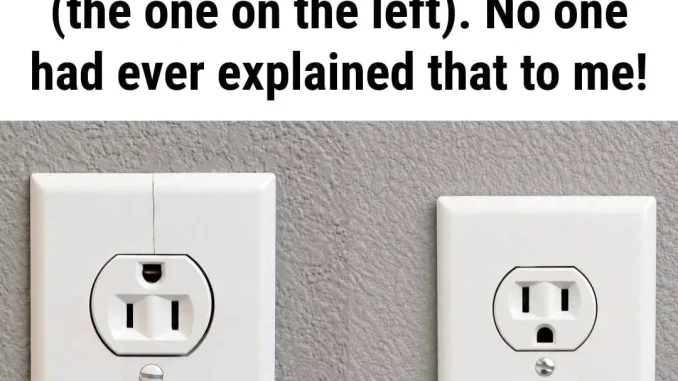
Electrical outlets in many older residences often present a curious feature that puzzles homeowners and renters alike: some outlets are installed with their grounding slot on top, effectively upside down compared to modern standards. This orientation can lead to speculation about hidden meanings or secret codes embedded by electricians, but the reality is more straightforward and practical.
To comprehend why certain outlets are mounted upside down, it helps to consider the historical and functional context of home lighting and electrical wiring. Before the widespread use of built-in ceiling fixtures and smart lighting technologies, many rooms relied heavily on floor or table lamps for illumination. Rather than controlling the overhead light from a wall switch, these switches often controlled the power supply to a specific outlet. This arrangement allowed occupants to turn a lamp on or off conveniently from the wall switch, providing a simple and effective lighting solution.
Electricians, aiming to help users quickly identify which outlet was controlled by a switch, sometimes installed the switched outlet with the ground slot facing upward. This orientation served as a subtle visual cue distinguishing the switched receptacle from the others. However, this practice was never standardized across regions or contractors, and not all electricians used this method. Consequently, the presence of an upside-down outlet does not guarantee it controls a wall switch, nor does a standard orientation mean it is always live.
The wiring of outlets in older homes can vary widely. Some outlets are fully switched, meaning the entire receptacle loses power when the wall switch is off. Others may be half-switched, where only one half of the outlet is controlled by the switch while the other half remains continuously powered. In addition, some outlets may be unaffected by the switch altogether. These differences often depend on local electrical codes, the electrician’s preferences, or renovations made by previous homeowners.
For safety and clarity, it is essential for occupants to verify the function of any outlet, especially in older homes. The simplest method is to plug a lamp or another electrical device into the outlet in question and operate the nearby wall switches to observe if the power supply changes. This hands-on approach dispels confusion and ensures that users understand which outlets are switched and which are not.
Electrical outlet orientation can also be influenced by safety considerations. In some cases, installing the ground slot on top reduces the risk of conductive objects like pins or metal shavings falling into the grounding slot, potentially causing shorts or shocks. While this rationale is debated and not universally applied, it illustrates that outlet orientation may serve multiple practical purposes beyond signaling switched receptacles.
As modern lighting solutions continue to evolve with smart bulbs, integrated fixtures, and wireless controls, the reliance on switched outlets has diminished. However, understanding the quirks of older electrical installations remains valuable for homeowners, electricians, and renovators alike. Recognizing that upside-down outlets are not a secret code but a practical tool helps demystify home wiring and promotes safer, more informed use of electrical systems.
In summary, upside-down electrical outlets in older homes often reflect a practical method to identify switched receptacles, safety considerations, or simply the preferences of past electricians. There is no universal meaning attached to outlet orientation, so direct testing remains the most reliable way to determine an outlet’s function. By approaching these features with curiosity and care, residents can better navigate their home’s electrical landscape and maintain safe, effective lighting control.
Common Myths and Misconceptions About Upside-Down Outlets
Over time, various myths and misconceptions have arisen regarding the orientation of electrical outlets. One popular belief is that an upside-down outlet serves as a secret code among electricians to indicate something specific, such as the presence of a switched outlet or a particular wiring configuration. However, as noted earlier, there is no official or universal code governing outlet orientation. These ideas likely stem from anecdotal experiences or isolated practices that were never standardized or documented in electrical codes.
Another misconception is that installing outlets upside down is inherently unsafe or violates electrical standards. In reality, the National Electrical Code (NEC) in the United States does not prohibit mounting receptacles with the ground slot on top or bottom. The NEC focuses more on wiring safety, grounding, and installation methods rather than outlet orientation. Therefore, upside-down outlets, when properly installed and maintained, are considered safe.
The Importance of Electrical Codes and Standards
Electrical codes and standards play a critical role in ensuring the safety and reliability of electrical installations. These codes are developed and updated regularly by organizations such as the National Fire Protection Association (NFPA) in the U.S., which publishes the NEC, as well as other regional regulatory bodies worldwide.
While outlet orientation is not explicitly dictated in the NEC, other aspects such as grounding requirements, circuit protection, and labeling are strictly regulated. Electricians must adhere to these codes to minimize risks such as electrical shock, fire hazards, and equipment damage. Understanding that outlet orientation is less regulated helps clarify why practices like upside-down installation can vary significantly.
For homeowners and renovators, consulting local building codes and hiring licensed electricians familiar with regional standards is essential. This ensures that any electrical work, including the installation or replacement of outlets, meets safety requirements and functions as intended.
Historical Evolution of Home Lighting and Electrical Systems
The design and function of home electrical systems have evolved considerably over the past century. In the early days of residential electricity, lighting was often provided by portable lamps rather than fixed ceiling fixtures. Wall switches controlling specific outlets allowed for convenient operation of these lamps, reducing the need for multiple wall switches or complex wiring.
As technology advanced, built-in lighting fixtures became more common, and electrical wiring methods adapted accordingly. Modern homes often feature dedicated wiring for ceiling lights, multiple switched outlets, and integrated lighting controls, reducing reliance on switched receptacles.
This historical context explains why older homes may have unique wiring arrangements and outlet orientations that differ from contemporary standards. Recognizing these differences helps homeowners appreciate the legacy systems in their residences and approach electrical upgrades thoughtfully.
Safety Considerations When Dealing with Older Electrical Installations
Older electrical systems may not meet current safety standards, and certain features, including outlet orientation, may reflect outdated practices. When working with or around these systems, safety should be a primary concern.
Homeowners should avoid attempting complex electrical work without proper knowledge or licensing. Simple tests, like checking which outlets are switched, can be done safely with lamps or basic devices, but more involved tasks such as rewiring or installing new outlets require professional expertise.
Additionally, older wiring materials, such as knob-and-tube or aluminum wiring, may pose risks and require inspection or replacement. Ensuring that outlets, switches, and circuits are in good condition helps prevent electrical hazards.
When renovating or upgrading older homes, consider consulting a licensed electrician to assess the existing system, recommend improvements, and ensure compliance with current codes.
Tips for Identifying and Managing Switched Outlets
To effectively manage lighting and electrical devices in older homes, it helps to identify which outlets are controlled by wall switches. Here are some practical tips:
Use a Lamp or Small Appliance: Plug a lamp or device with a visible indicator (like a nightlight) into the outlet. Toggle nearby switches to see if the device turns on or off.
Test Both Outlet Slots: For outlets that are half-switched, test each half by plugging devices into the top and bottom sockets separately.
Label Outlets: Once identified, label switched outlets with a discreet sticker or marker to inform all household members.
Consider Upgrading: If the arrangement is confusing or inconvenient, consider upgrading to modern wiring with dedicated switched outlets or smart controls.
Use Smart Plugs: For added convenience, smart plugs can be used to control lamps or appliances remotely, bypassing the need to identify switched outlets.
The Role of Electricians and Homeowners in Maintaining Electrical Safety
Electricians bring professional knowledge and skills to the design, installation, and maintenance of electrical systems. Their role includes interpreting codes, ensuring safe wiring practices, and advising homeowners on best practices.
Homeowners, on the other hand, play a crucial role by maintaining their electrical systems, reporting issues promptly, and engaging professionals when necessary. Being informed about features like upside-down outlets and switched receptacles empowers homeowners to communicate effectively with electricians and make informed decisions about repairs or upgrades.
Future Trends in Residential Lighting and Electrical Systems
Technological advancements continue to transform residential electrical systems. Smart lighting, wireless controls, energy-efficient fixtures, and integrated home automation are becoming increasingly common.
These innovations reduce the reliance on traditional switched outlets and wall switches, offering greater flexibility and convenience. For instance, smart bulbs can be controlled via smartphone apps or voice assistants regardless of outlet wiring.
However, understanding legacy systems remains important, especially in older homes undergoing renovations. Integrating modern technology with existing wiring requires careful planning and professional expertise to ensure compatibility and safety.
Conclusion
While upside-down electrical outlets in older homes may seem mysterious, they generally reflect practical considerations such as identifying switched receptacles or safety preferences of past electricians. There is no universal code or secret meaning behind their orientation. Recognizing this helps demystify home electrical systems and encourages safe, informed use.
Homeowners should verify outlet functions through simple tests, consult professionals when necessary, and stay informed about local codes and modern technologies. This approach ensures that both legacy and contemporary electrical installations serve the needs of residents safely and effectively.
Understanding Outlet Orientation Around the World
Electrical outlet designs and installation practices can vary significantly across different countries and regions. While the United States commonly uses Type A and Type B outlets with the ground slot either on top or bottom, other countries employ different configurations, shapes, and grounding methods. For example, in many European countries, outlets are circular with grounding clips rather than slots, and orientation is less visually distinct. These variations mean that the concept of upside-down outlets signaling switched receptacles is largely specific to regions that use the North American outlet style, limiting the applicability of this practice globally.
This international diversity underscores the importance of not assuming universal meanings behind outlet orientation and emphasizes the need to understand local standards and practices when dealing with electrical systems, especially for travelers, expatriates, or those purchasing homes abroad.
Electrical Outlet Orientation and Accessibility
Beyond safety and functional signaling, outlet orientation can also impact accessibility for certain users. Installing outlets with the ground slot on top may make it easier for individuals with limited dexterity or strength to plug and unplug devices, as the design can reduce the risk of accidental slips or difficulty aligning plugs.
Moreover, some electricians may choose outlet orientation to accommodate furniture placement or to prevent plugs from hanging awkwardly, which can improve usability and reduce strain on cords. Although these considerations are often secondary, they reflect the broader role of ergonomic and practical factors in electrical installations.
The Impact of Renovations and Upgrades on Outlet Orientation
Older homes often undergo renovations that can alter the original wiring and outlet installations. During such updates, electricians or homeowners might replace outlets without preserving the original orientation, either due to oversight, convenience, or updated electrical components.
Understanding that outlet orientation may change during renovations helps explain inconsistencies within the same home. It also highlights the importance of testing outlets after any electrical work to confirm their function and ensure safety.
When planning renovations, homeowners should communicate their preferences about outlet orientation with electricians, especially if they wish to maintain traditional cues for switched outlets or to adopt modern configurations.
Environmental Considerations and Energy Efficiency
Although outlet orientation itself has minimal direct impact on energy consumption, the broader context of lighting control relates closely to energy efficiency. Switched outlets allow occupants to easily turn off lamps and appliances, preventing unnecessary energy use. In older homes where switched outlets are less common or not clearly identified, occupants may inadvertently leave devices powered on, increasing electricity consumption.
Modern alternatives, such as smart plugs and automated lighting systems, provide more precise control over energy use, helping to reduce waste. However, awareness of switched outlet function remains relevant for understanding and managing energy consumption in legacy systems.
Educational Value for DIY Enthusiasts and Homeowners
For homeowners interested in DIY projects or learning more about their home’s electrical system, understanding outlet orientation and switched receptacles offers valuable educational opportunities. It encourages safe exploration of electrical basics, such as circuit function, wiring configurations, and the importance of grounding.
Engaging with these concepts promotes greater confidence in managing household electrical needs and fosters informed decision-making when hiring professionals or purchasing electrical components.
However, it is crucial to emphasize safety: any hands-on work involving electrical wiring should only be undertaken by those with proper training or under professional supervision.
Legacy and Cultural Significance of Electrical Practices
Electrical installation methods, including outlet orientation, can serve as subtle indicators of a home’s history and the evolution of electrical technology in a region. They reflect the practices, materials, and standards prevalent at the time of construction or renovation.
In this way, upside-down outlets and other wiring quirks can become part of the cultural and architectural heritage of a building. Recognizing these features contributes to the appreciation of historical craftsmanship and may inform preservation efforts.
For electricians, historians, and preservationists, such details offer insights into the timeline and development of residential electrical systems.
Practical Takeaways for Homeowners
- Always test outlets with a lamp or device to determine if they are switched rather than relying on orientation alone.
- Label outlets once their function is identified to aid household members and future maintenance.
- Consult licensed electricians for any electrical modifications to ensure compliance with current codes and safety.
- Consider modern upgrades such as smart plugs or integrated lighting controls for enhanced convenience and efficiency.
- Be mindful of local electrical codes and standards when undertaking renovations or repairs.
By adopting these practices, homeowners can navigate the complexities of older electrical systems safely and effectively, blending legacy features with contemporary technology.