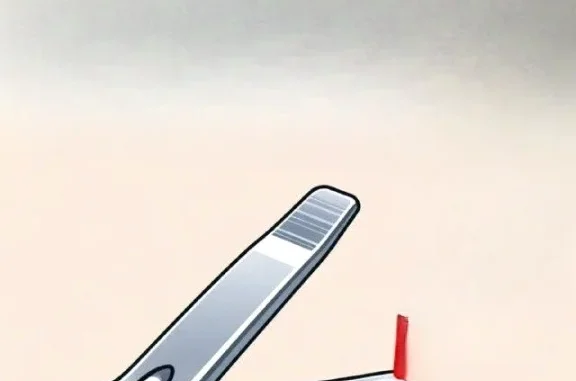
Nail clippers are a staple grooming tool found in nearly every home, yet many users remain unaware of certain small design elements that serve practical purposes. One such detail is the tiny hole often found near the end of the clipper’s lever. Although easily overlooked, this small opening has a meaningful function that reflects thoughtful design and the needs of past users.
The nail clipper’s design has stood the test of time, maintaining its core components with little change over decades. These components include the cutting jaws that trim nails, a pivot pin allowing the lever’s rotation, and the lever itself, which provides the necessary force to cut nails. Among these, the small circular hole on the lever is less obvious but was intentionally included by manufacturers.
Originally, this hole was designed as an attachment point. It enabled users to connect the clipper to keychains, lanyards, small chains, or travel kits. For individuals who frequently traveled, worked in outdoor environments, or served in the military, having grooming tools secured and easily accessible was important. Attaching a nail clipper to a keyring or chain helped prevent it from getting lost and ensured that it was always within reach.
In earlier times, personal grooming items were often carried on the person rather than stored in bathroom drawers as is common today. This historical context explains why the hole was a practical addition. Although modern users may not find the hole necessary for their daily routine, its presence remains a nod to the clipper’s functional heritage.
Beyond the hole, nail clippers include other subtle features designed for convenience. Many clippers incorporate a small nail file on the lever, providing a way to smooth nail edges after clipping. Some models also feature a tiny pointed extension that can be used as a nail cleaner, helping to remove debris from beneath the nails. These components contribute to the clipper’s versatility as a grooming tool.
The compact size of nail clippers is another intentional aspect of their design, allowing them to fit comfortably in pockets, purses, or grooming kits. This portability, combined with the ability to attach clippers to chains or keyrings, demonstrates a focus on practicality and user convenience.
It is common for everyday objects to contain design elements that go unnoticed until someone takes a closer look. Discovering the purpose behind such details often leads to a greater appreciation of the thought and engineering involved. The tiny hole on a nail clipper serves as a reminder that even simple tools can have layers of functionality and history embedded within their design.
The internet has embraced these moments of discovery, with many users expressing surprise upon learning the hole’s purpose. This shared curiosity highlights how common experiences can connect people through the uncovering of small but meaningful facts.
In conclusion, the small hole on a nail clipper is more than a manufacturing quirk; it is a functional feature designed to enhance portability and prevent loss. While its practical use may be less common today, the hole remains a testament to effective product design that has endured for generations. Next time you use a nail clipper, take a moment to notice this tiny detail and consider the practical history it represents. Such observations encourage us to look more closely at the everyday items we often take for granted, revealing the ingenuity hidden in plain sight.
The Evolution of Nail Clippers and Their Design Influences
Understanding the small hole’s purpose also invites reflection on the evolution of nail clippers themselves. The modern nail clipper traces its origins back to the late 19th and early 20th centuries, a period when personal grooming tools began to be mass-produced and standardized. Early designs were often simple, utilitarian devices that prioritized function over form. Over time, manufacturers introduced incremental improvements to increase ease of use, safety, and portability.
The inclusion of the small hole is one example of a subtle yet thoughtful adaptation. It reflects a broader trend in product design during the industrial age—incorporating features that addressed practical user needs beyond the primary function. The hole’s role as an attachment point aligns with innovations in how people carried personal items before the widespread use of modern storage solutions.
Historical Context of Personal Grooming Tools
In past eras, the concept of personal grooming was closely linked with practicality and mobility. Many professions required workers to maintain a polished appearance while on the move, and military personnel especially valued compact grooming kits. These kits often included multiple small tools secured together for convenience and quick access.
The small hole in nail clippers facilitated this by enabling attachment to keychains or chains used to organize tools. This design choice can be seen as part of a larger cultural emphasis on preparedness and orderliness. It also illustrates how everyday items were adapted to fit the lifestyle and social norms of their time.
The Role of Manufacturing Techniques
Manufacturing technology has influenced nail clipper design as well. The tiny hole is often created during the stamping or punching process of the metal lever. Incorporating this hole did not significantly add to production costs, making it a cost-effective feature. This balance between utility and manufacturing efficiency is a hallmark of successful mass-market products.
Such design choices demonstrate the intersection of engineering, economics, and user experience. They show how small details are often the result of careful consideration to maintain affordability while enhancing functionality.
Variations in Nail Clipper Design Worldwide
While the small hole is common on many nail clippers, design variations exist globally. Some models omit the hole, especially those intended primarily for home use where attachment is less necessary. Others may incorporate alternative attachment methods or additional features tailored to specific markets.
For example, some Asian manufacturers produce nail clippers with integrated safety guards to prevent over-cutting, while others embed ergonomic grips for enhanced comfort. These variations highlight how cultural preferences and user habits influence product design alongside universal features like the small hole.
The Impact of Digital Age on Nail Clipper Usage
In today’s digital and convenience-focused era, many grooming tools have become more specialized or integrated into multi-function devices. Despite this, the classic nail clipper remains a trusted and widely used tool. However, the way people carry and store these tools has changed.
The decline in the necessity to attach clippers to keychains is partly due to lifestyle shifts, including the increased use of backpacks, purses, and organized drawers. Additionally, the proliferation of travel-sized grooming kits has reduced the need for individual attachment points.
This shift underscores how product features can persist beyond their original practical necessity, becoming part of a product’s identity or aesthetic.
Lessons in Product Design and User Experience
The story of the nail clipper’s tiny hole serves as a case study in thoughtful design. It reminds designers and consumers alike that even the smallest features can significantly impact usability. Effective design often involves anticipating user behavior and lifestyle changes, then balancing practicality with simplicity.
For users, this example encourages a closer look at everyday tools, fostering greater appreciation for the engineering and history embedded within common objects.
Encouraging Curiosity and Media Literacy
Discoveries about everyday items like nail clippers can promote curiosity and critical thinking. In an age where misinformation and assumptions are abundant, verifying the purpose of design features encourages media literacy and an evidence-based approach to understanding the world.
When encountering surprising facts online, such as the function of the tiny hole, it’s valuable to seek reliable sources and context. This practice not only enriches knowledge but also helps distinguish between myths, rumors, and factual information.
The Legacy of Simple, Effective Tools
Nail clippers exemplify how simple tools can have a lasting legacy. Their design has endured because it meets fundamental needs effectively. The small hole, though minor, symbolizes the continuous refinement of everyday products to enhance user convenience.
As technology advances, some tools become obsolete or radically transformed. Nail clippers, however, demonstrate that well-designed objects can maintain relevance across generations by blending utility, portability, and simplicity.
Practical Takeaways for Consumers
For consumers, understanding the purpose of design features like the nail clipper’s small hole can improve how they use and care for their tools. Attaching a clipper to a keychain or lanyard can be practical for travel or outdoor activities, reducing the risk of misplacement.
Moreover, exploring other features—such as the built-in nail file or cleaner—can enhance grooming effectiveness. Recognizing these functions encourages more mindful and efficient use of everyday items.
Encouraging Mindfulness in Everyday Interactions
Finally, this exploration invites a broader mindset of mindfulness toward everyday objects. By pausing to observe and question the elements of common tools, individuals can cultivate a deeper connection to their environment and the design choices that shape daily life.
In doing so, even the most routine experiences, like trimming nails, become opportunities for learning and appreciation.
The Role of User Feedback in Design Evolution
While the core design of nail clippers has remained relatively stable, user feedback has occasionally influenced minor improvements and variations. Manufacturers often consider factors such as comfort, safety, and ease of use when developing new models. For instance, some users prefer larger handles for better grip, while others seek smaller, travel-friendly sizes. Feedback mechanisms, including customer reviews and market research, help companies refine features to better meet diverse user needs without compromising the fundamental functional elements like the cutting jaws and pivot mechanism.
Understanding Product Longevity and Sustainability
Nail clippers are notable for their durability and long lifespan compared to many other personal grooming tools. Their simple mechanical design means fewer parts that can break or malfunction, contributing to their longevity. From a sustainability perspective, this durability reduces waste and the need for frequent replacements. Consumers choosing well-made clippers contribute to lowering environmental impact relative to disposable or short-lived grooming products. Recognizing the value of durable design encourages more sustainable consumption habits.
Cultural Variations in Grooming Practices
Grooming habits and preferences vary across cultures, influencing how tools like nail clippers are perceived and used. In some cultures, personal grooming is a communal or ritualistic activity, involving specialized tools or techniques. In others, the emphasis is on portability and convenience, which aligns with the design features of nail clippers. Understanding these cultural contexts provides insight into why certain features, including the small hole for attachment, may be more relevant or appreciated in some regions than others.
The Intersection of Design and Ergonomics
Ergonomics—the study of designing products to fit the human body and its movements—plays a subtle but important role in nail clipper design. The shape of the lever, the angle of the cutting jaws, and the size of the clipper are all calibrated to provide effective nail trimming with minimal effort and discomfort. Although the small hole does not directly affect ergonomics, its presence reflects the broader attention to user convenience. This holistic approach to design ensures that even small details contribute to a comfortable and efficient grooming experience.
The Influence of Branding and Aesthetics
Beyond functionality, branding and aesthetics also influence nail clipper design. Some manufacturers create clippers with polished finishes, colorful handles, or engraved logos to appeal to different consumer tastes. While the small hole remains a constant functional element, the surrounding design may vary to reflect brand identity or target demographics. This balance between practical features and visual appeal demonstrates how everyday tools can also serve as expressions of personal style.
The Importance of Maintenance and Care
Proper maintenance of nail clippers helps preserve their performance and extends their usable life. Regular cleaning removes nail debris and prevents rust or corrosion, especially for metal components. Lubricating the pivot pin can maintain smooth lever action. Although the small hole itself requires little care, it can collect dirt or lint over time and benefit from occasional cleaning. Educating users about maintenance encourages responsible ownership and maximizes the tool’s effectiveness.
Potential Innovations in Nail Clipper Design
While the basic design has endured, there is ongoing potential for innovation in nail clippers. Advances in materials science may introduce corrosion-resistant coatings or ergonomic plastics that enhance comfort and durability. Some modern clippers incorporate safety features like guards or enhanced grip textures. Digital integration is rare but not impossible; for example, future designs could include sensors to monitor nail health or trimming precision. Nonetheless, any innovation must balance new features with the simplicity and reliability that users expect.
Encouraging Critical Thinking About Everyday Objects
Learning about the small hole in nail clippers can inspire a broader habit of inquiry about the objects we use daily. Developing critical thinking skills helps individuals question assumptions and seek accurate information rather than accepting appearances at face value. This mindset is valuable not only for understanding product design but also for navigating the complex information environment of the modern world. Encouraging curiosity about everyday items fosters lifelong learning and informed decision-making.
The Broader Legacy of Thoughtful Design in Daily Life
The nail clipper’s enduring design and the presence of features like the small hole highlight the broader legacy of thoughtful product design in everyday life. Such tools exemplify how combining simplicity, practicality, and user-centered thinking can create objects that remain relevant and useful across generations. Recognizing and appreciating these design principles enriches our understanding of human ingenuity and the continuous effort to improve daily living through well-crafted tools.
Practical Advice for Travelers and Outdoor Enthusiasts
For individuals who travel frequently or engage in outdoor activities, the small hole on nail clippers can be a practical asset. Attaching the clipper to a keychain, carabiner, or lanyard reduces the risk of loss in unfamiliar or rugged environments. It also ensures quick access when grooming facilities may be limited. Including a nail clipper with this feature in a compact grooming kit enhances preparedness and personal care on the go.
Final Reflection
The discovery of the small hole’s purpose on a nail clipper serves as a reminder that even the most commonplace objects often have thoughtful design details rooted in history, functionality, and user experience. Taking time to observe and understand these details can deepen appreciation for the tools that support daily routines and encourage mindfulness about the material world around us. Through such reflection, ordinary moments like trimming nails transform into opportunities for connection with the broader narrative of design and innovation.